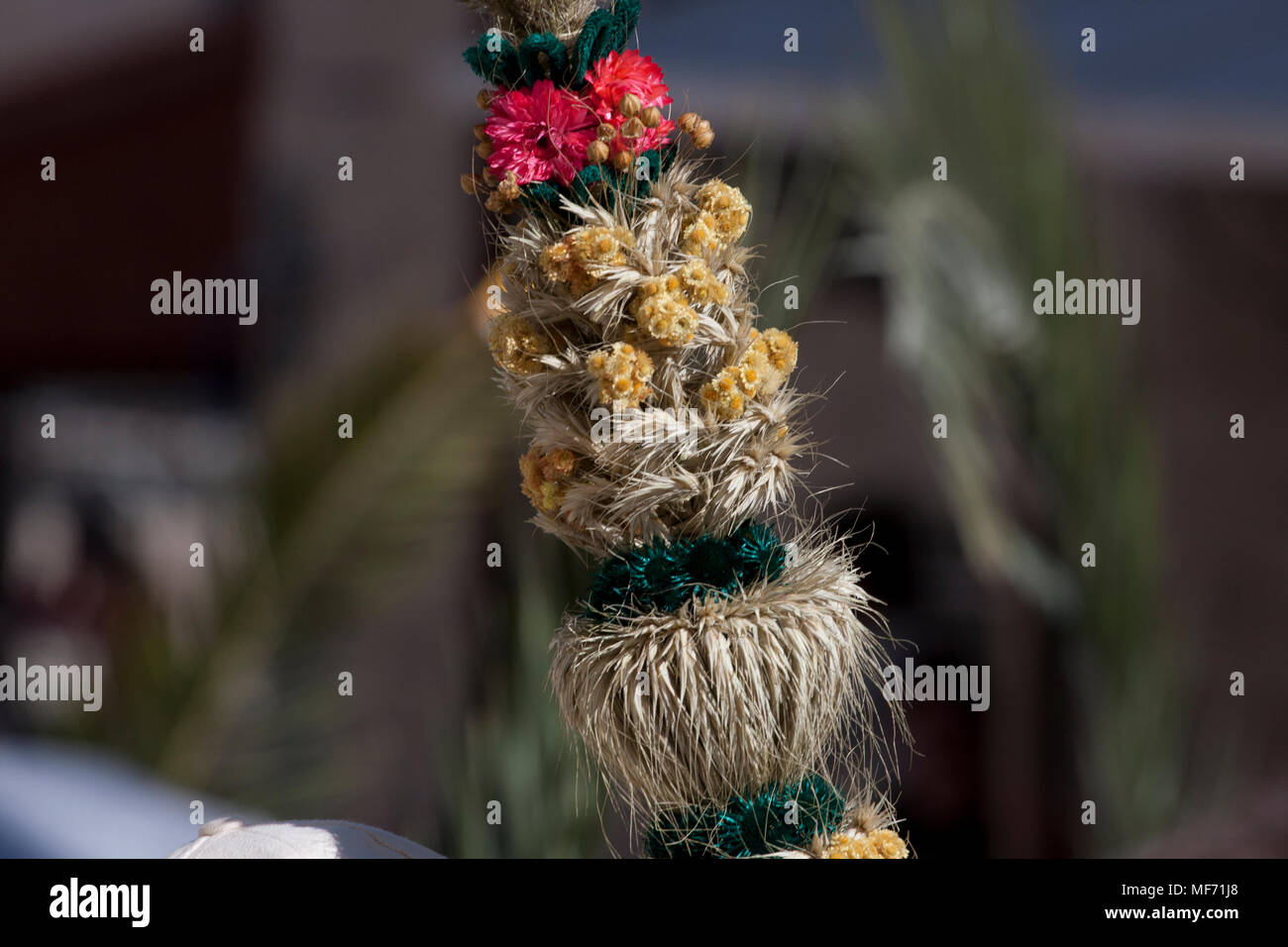
The Israeli authorities' decision to prevent the Latin Patriarch of Jerusalem, Cardinal Pierbattista Pizzaballa, from entering the Church of the Holy Sepulchre to celebrate Palm Sunday has sparked a wave of international anger. This incident, which occurred yesterday, represents a historic precedent, as such a ban has not been imposed in the sacred church for centuries.
The Israeli police stopped the patriarch while he was heading to the church accompanied by the custodian of the Holy Land, Father Francesco Ilbu, and forced them to turn back, despite the absence of any celebratory activities. The patriarchate described this ban as a "serious incident," noting that the decision came amid a state of emergency imposed due to security tensions in the region.
Details of the Incident
According to a statement issued by the patriarchate, the ban was justified under the pretext of instructions from the Israeli military's home front, which imposed restrictions on public activities following American and Israeli attacks on Iran. The patriarchate considered this decision to be a disregard for the feelings of billions of Christians worldwide who look to Jerusalem during this religious occasion.
The incident has prompted swift reactions from international leaders, with French President Emmanuel Macron expressing his full support for the patriarch and Christians in the Holy Land, condemning the decision as part of the increasing violations in holy places. Additionally, Italian Prime Minister Giorgia Meloni denounced what she described as "an affront to the faithful," and the Italian Foreign Minister announced the summoning of the Israeli ambassador in Rome to protest.
Background & Context
The Church of the Holy Sepulchre is considered one of the most important Christian sites in the world, where Western Christian churches commemorate Palm Sunday on the last Sunday before Easter, marking the entry of Christ into Jerusalem. Over the centuries, Jerusalem has witnessed numerous religious and political events that have affected freedom of worship, making it a constant point of tension among different religions.
Since the onset of attacks on Iran last February, restrictions have been imposed on worshippers' access to the Al-Aqsa Mosque, raising widespread concern among Palestinians and Christians. These restrictions are not new, as recent years have seen an increase in violations affecting freedom of worship in the holy city.
Impact & Consequences
The ban imposed on Patriarch Pizzaballa raises questions about the future of freedom of worship in Jerusalem and may exacerbate tensions between different religious communities. Furthermore, international reactions could compel the Israeli government to reconsider its policies regarding holy sites, especially amid increasing pressure from the international community.
The U.S. Ambassador to Israel, Mike Huckabee, deemed the prohibition of the patriarch and three other priests from entering the church as an "unfortunate overreach" with serious global implications. These statements indicate that the issue is not confined to local dimensions but extends to affecting international relations.
Regional Significance
The restrictions imposed on religious celebrations in Jerusalem affect all Arabs, reflecting the political and religious tensions in the region. The cancellation of the Palm Sunday procession, which is one of the most prominent religious rituals, raises concerns among Christians about the possibility of these restrictions recurring in the coming years, which could impact the continuity of historical religious practices.
In light of these events, hope remains that international pressures will lead to an improvement in the situation in Jerusalem and ensure freedom of worship for all religions. The continuation of these restrictions could exacerbate conditions in the region and widen the gap between different communities.