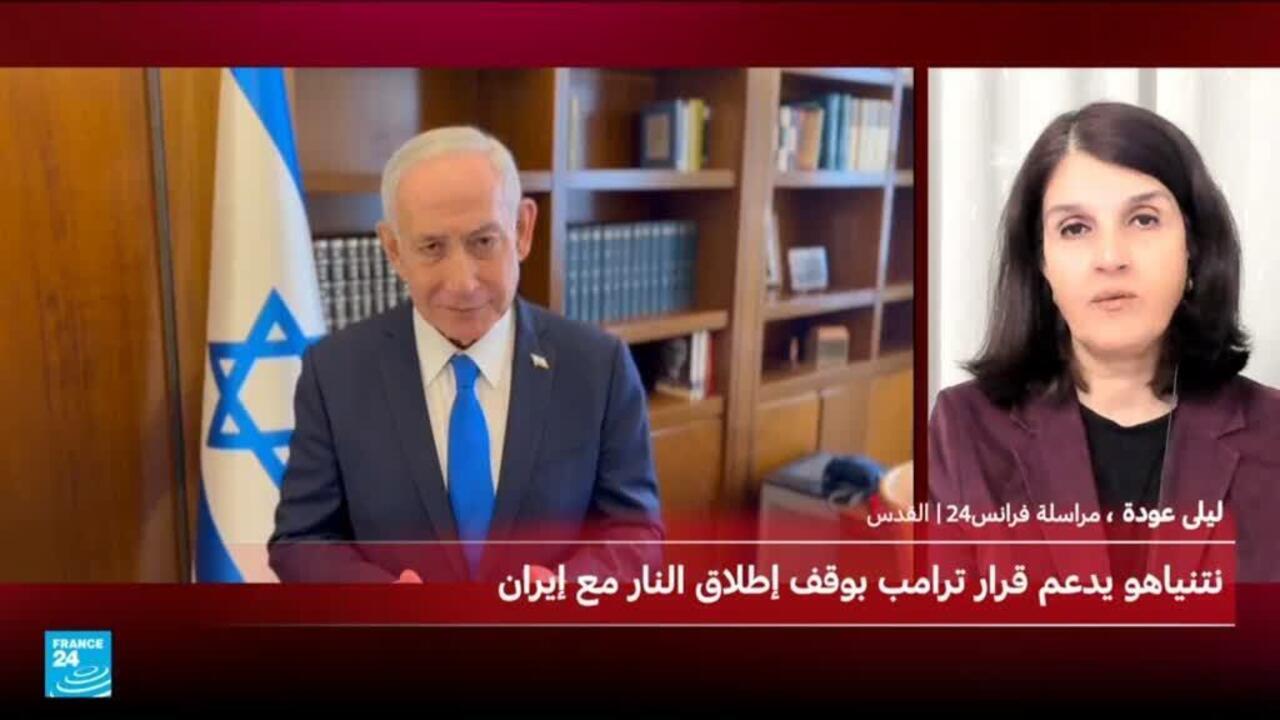
Israeli opposition leader Yair Lapid has described the ceasefire agreement with Iran as an "unprecedented political disaster," indicating that this agreement reflects Prime Minister Benjamin Netanyahu's failure to meet the defined objectives of the war. These criticisms arise during a sensitive period in Israeli-Iranian relations, as fears grow regarding the impact of this agreement on regional security.
Lapid, who leads the Yesh Atid party, has strongly criticized the manner in which this agreement was reached, arguing that the Israeli government did not take the necessary steps to safeguard the country's interests. He believes that this agreement could weaken Israel's position in the face of increasing Iranian threats.
Details of the Event
The United States and Iran announced a ceasefire agreement, which has elicited mixed reactions in Israel. While some view this agreement as a potential opportunity for peace, others see it as a threat to Israeli national security. Lapid did not hesitate to express his concerns, noting that this agreement might allow Iran to enhance its military capabilities without any restrictions.
In a related context, Lapid emphasized that the current government has not taken the Iranian threats seriously, leading to a deterioration in the security situation. He pointed out that this agreement could lead to an increase in Iranian influence in the region, posing a direct threat to Israel.
Background & Context
Historically, relations between Israel and Iran have been tense, with Israel viewing Iran as an existential threat. Recent years have seen a rise in tensions, especially following the United States withdrawal from the Iranian nuclear deal. This situation has prompted Israel to take proactive steps to counter Iranian threats, including conducting military operations against Iranian sites in Syria.
In this context, the ceasefire agreement represents a turning point in relations between the two countries. Some believe it could open the door to new dialogue, while others consider it a step toward enhancing Iranian threats.
Impact & Consequences
This agreement may have far-reaching implications for regional security. With the increasing Iranian influence in the area, Israel may find itself compelled to reassess its security strategies. Additionally, this agreement could affect relations between Israel and Arab countries, particularly those seeking to normalize relations with Israel.
Lapid warned that this agreement could escalate tensions in the region, which could negatively impact Israeli national security. He also noted that the Israeli government needs to take urgent steps to ensure that Iran does not exploit this agreement to bolster its military capabilities.
Regional Significance
This agreement marks a turning point in regional relations, potentially affecting Arab countries' stance toward Iran. With growing concerns about Iranian influence, Arab nations may find themselves in a position that requires them to reassess their relationships with both Iran and Israel.
Furthermore, this situation could pave the way for new dialogue between Arab countries and Israel, especially amid the political changes occurring in the region. However, the greatest challenge remains how to deal with the increasing Iranian threats.
In conclusion, the ceasefire agreement with Iran represents a turning point in Israeli-Iranian relations and raises questions about the future of regional security. Israel needs new strategies to confront upcoming challenges, while Arab countries must be prepared to deal with the repercussions of this agreement.