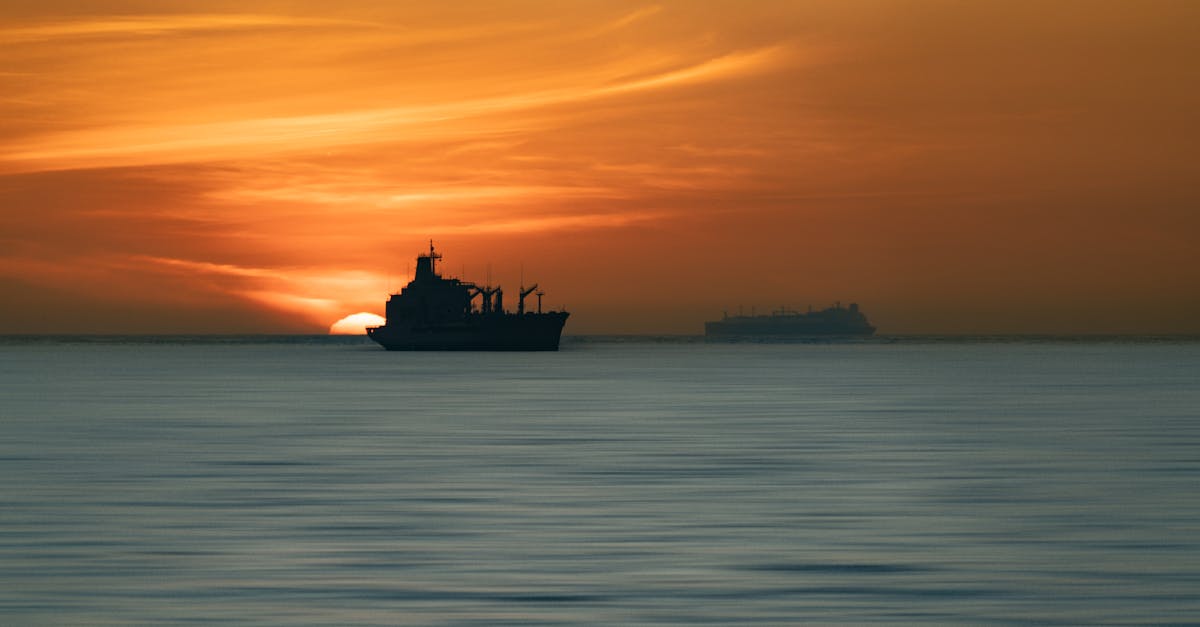
US President Donald Trump has announced an immediate naval blockade on the Strait of Hormuz, reflecting an escalation in tensions between the United States and Iran. This announcement comes at a time when global concerns about navigation security in one of the world's most critical maritime corridors are increasing.
The Strait of Hormuz is a vital point for oil transportation, with approximately 20% of the world's total oil passing through it. Trump indicated that this blockade aims to protect the interests of the United States and its allies in the region amid escalating threats from Iran.
Details of the Announcement
During a press conference, Trump confirmed that US naval forces would bolster their presence in the area, stating that any threat to navigation would be dealt with decisively. He added that this decision followed a series of attacks targeting oil tankers in the region, which the United States has accused Iran of orchestrating.
This blockade comes at a sensitive time, as tensions between the United States and Iran have been rising, particularly after Washington's withdrawal from the Iranian nuclear agreement in 2018. This withdrawal provoked strong reactions from Tehran, which began taking steps to reduce its nuclear commitments.
Background & Context
Historically, the Strait of Hormuz has witnessed numerous political and military crises. In the 1980s, there was a naval conflict between Iran and Iraq during the Iran-Iraq War. In recent years, the strait has seen heightened tensions between Iran and the United States, especially following the imposition of economic sanctions on Tehran.
This move by Trump is part of a broader strategy aimed at pressuring Iran to curb its nuclear and regional activities. This strategy has drawn criticism from some European allies, who believe that military escalation could lead to further instability in the region.
Impact & Consequences
This decision is expected to have a significant impact on global oil markets, potentially leading to price increases due to concerns over navigation security. Additionally, this blockade may escalate military tensions in the region, increasing the likelihood of direct conflict between the United States and Iran.
Furthermore, this decision could affect US relations with its allies in the region, as some allies may feel anxious about the rising tensions, while others may view this blockade as necessary to protect their interests.
Regional Significance
For Arab countries, this blockade could have multiple implications. Gulf states, which heavily rely on oil exports through the Strait of Hormuz, may be concerned about any military escalation that could disrupt navigation. This situation may also increase pressure on Arab governments to adapt to changes in US policy towards Iran.
Ultimately, the question remains how Iran will respond to this blockade and whether it will take escalatory steps in retaliation. The situation in the region remains tense and requires close monitoring by the international community.