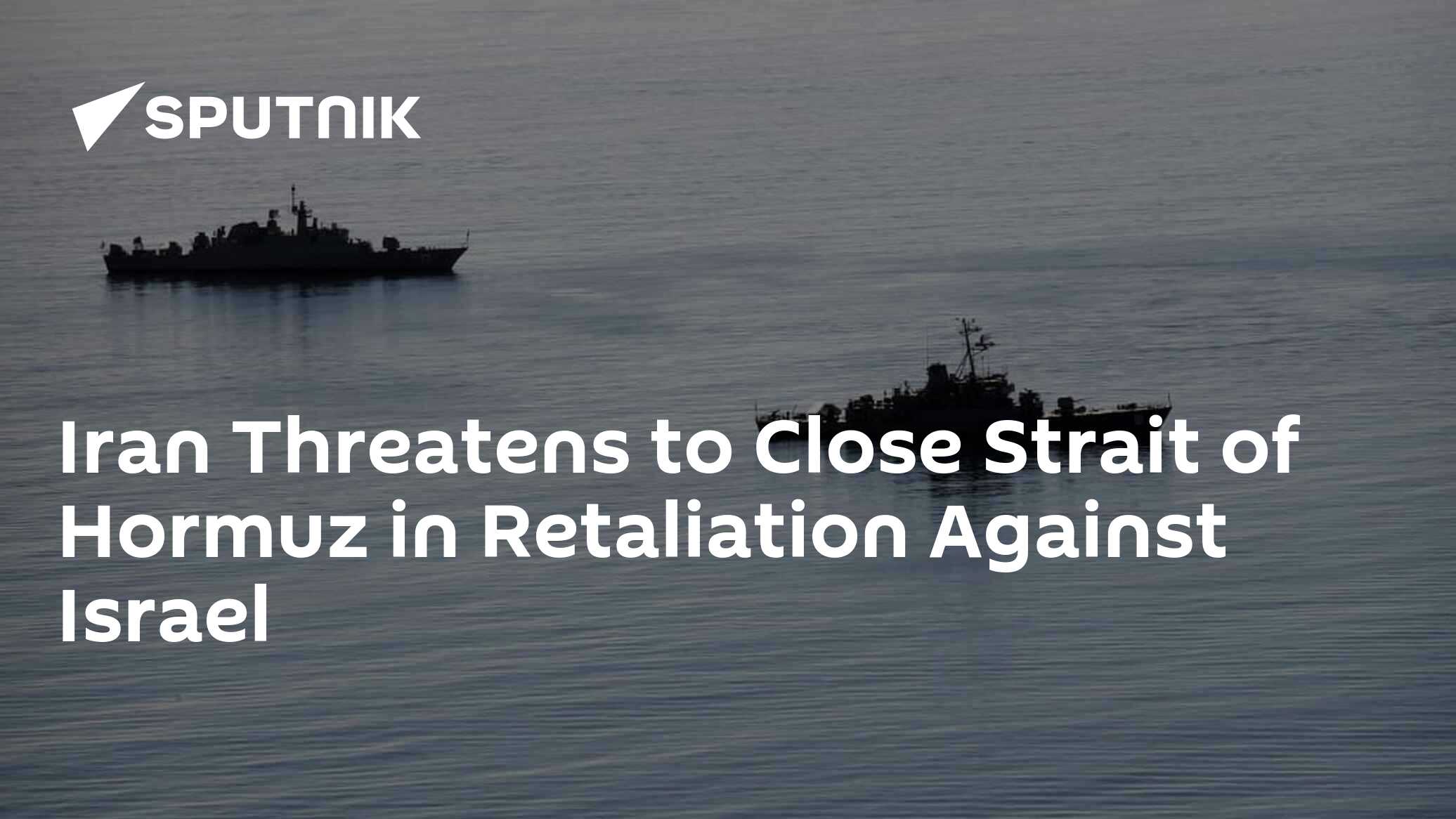
In a new move reflecting the increasing tensions in the region, Israel has announced its support for a two-week ceasefire between the United States and Iran, provided that Iran opens the Hormuz Strait and ceases all attacks against the United States and Israel. This statement was made by the office of Israeli Prime Minister Benjamin Netanyahu on Wednesday, April 8.
Despite this, Israel confirmed that its attacks on Lebanon will continue, as the Prime Minister's office clarified that the proposed ceasefire does not include Lebanon. These remarks come amid rising tensions between Israel and Hezbollah, with the region experiencing exchanges of fire since March 3, accompanied by significant Israeli bombing operations in southern Lebanon and Beirut.
Details of the Ceasefire Proposal
Through its support for the ceasefire, Israel aims to achieve strategic objectives related to national security, emphasizing the necessity for Iran to stop its nuclear and missile threats. The Prime Minister's office also noted that the United States has reaffirmed its commitment to achieving these goals in upcoming negotiations.
These objectives include ensuring that Iran cannot use weapons of mass destruction, as well as halting its support for armed groups in the region. This comes at a time when relations between the United States and Iran are increasingly strained, particularly following the U.S. withdrawal from the nuclear agreement.
Background & Context
Historically, the Hormuz Strait has been a focal point of regional conflicts, being one of the most important waterways in the world for oil transport. The region has witnessed numerous crises, ranging from the Iran-Iraq war to the current tensions between Iran and the United States.
Iran is considered a key player influencing regional security, as it seeks to expand its influence by supporting groups like Hezbollah in Lebanon. In contrast, Israel aims to diminish this influence, complicating the security landscape in the region.
Impact & Consequences
These developments may lead to an escalation of tensions in the region, as any failure to achieve the ceasefire could result in greater military escalation. Additionally, the continuation of Israeli attacks on Lebanon may provoke reactions from Hezbollah, increasing the risk of a broader conflict.
On the other hand, these events could affect relations between the United States and its allies in the region, as all parties seek to achieve relative stability. Furthermore, any escalation may impact global oil prices, given the significance of the Hormuz Strait in oil transportation.
Regional Significance
The implications of these tensions extend beyond the immediate conflict, as they highlight the fragile nature of security in the Middle East. The potential for increased military action could destabilize not only the region but also have repercussions on global markets and international relations.
In conclusion, the situation remains precarious, and the international community is closely monitoring developments as the stakes continue to rise in this strategically vital area.