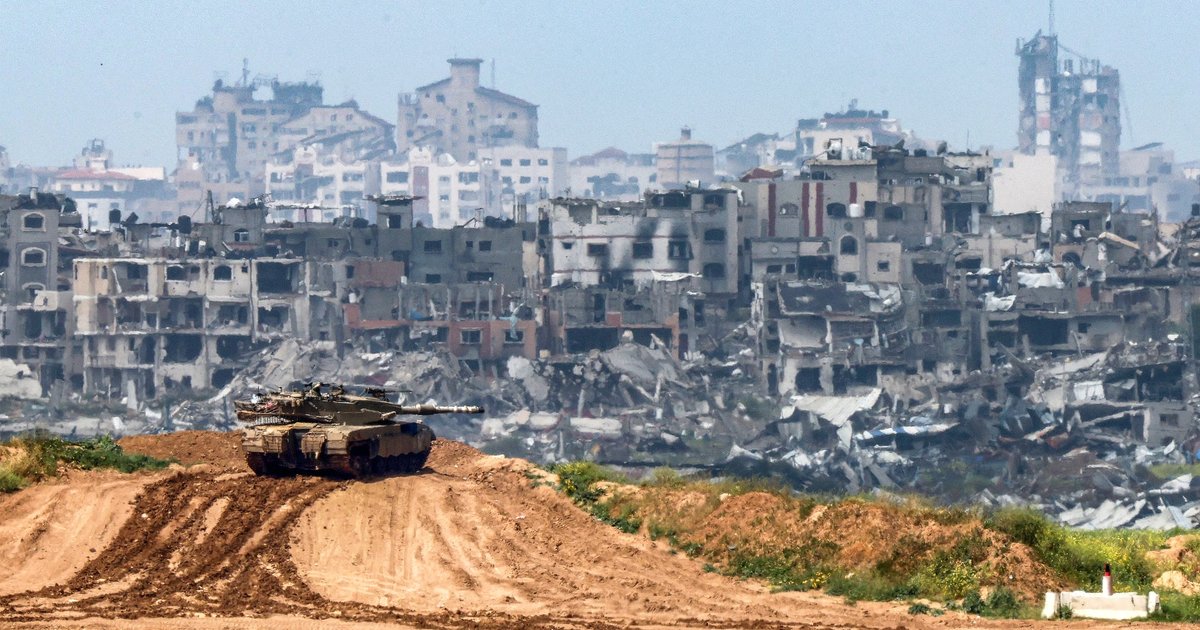
On Tuesday, the Israeli Defense Minister announced that the Israeli army will take control of the remaining bridges over the Litani River in Lebanon, in addition to the area south of the river. This step is part of a military escalation between Israel and Hezbollah, with the region witnessing intense military movements.
These statements are part of an Israeli strategy aimed at strengthening control over the northern borders, especially given the tense security situation. The minister indicated that this control will help secure the area and prevent any potential threats from Hezbollah.
Details of the Event
The Israeli control includes key bridges, such as the Qasmieh Bridge, which is a vital point connecting villages in the Tyre area with northern regions. This bridge has suffered significant damage due to Israeli airstrikes earlier, reflecting the extent of military escalation in the area.
These developments come at a sensitive time, as fears of a larger conflict between Israel and Hezbollah are increasing, especially after recent escalations witnessed along the Lebanese-Israeli border. Israeli military reports have indicated movements by Hezbollah in the area, prompting the Israeli army to take precautionary measures.
Background & Context
Historically, the Litani River area has always been a point of tension between Lebanon and Israel, having witnessed numerous military conflicts. In 2006, the Second Lebanon War broke out, resulting in widespread destruction in Lebanon and ongoing tensions along the border. Since then, Israel has maintained a strong military presence in the area, focusing on preventing any threats from Hezbollah.
The control over the bridges and the southern area of the Litani River is part of a broader Israeli strategy aimed at enhancing national security. In recent years, there has been an increase in Israeli military operations against targets in Lebanon, complicating the security situation in the region.
Impact & Consequences
This move raises concerns about a greater escalation in the conflict between Israel and Hezbollah, as it could lead to military responses from the Lebanese side. Additionally, control over the bridges may affect civilian movement and trade between Lebanese areas, increasing internal tensions.
Moreover, these developments could lead to international interventions, as major powers seek to calm the situation and prevent an outbreak of widespread conflict in the region. Attention may turn to the United Nations and the international community to intervene in this escalating crisis.
Regional Significance
These events are of significant importance to Arab countries, as they reflect the ongoing tensions in the Middle East. Any military escalation between Israel and Hezbollah could impact Lebanon's stability and increase the suffering of the Lebanese people, who are already grappling with economic and political crises.
Furthermore, these events may affect relations between Arab countries and Israel, as some nations seek normalization with Israel amid increasing tensions. The situation in Lebanon could reintroduce the Palestinian-Israeli conflict to the forefront, necessitating greater Arab and international attention.