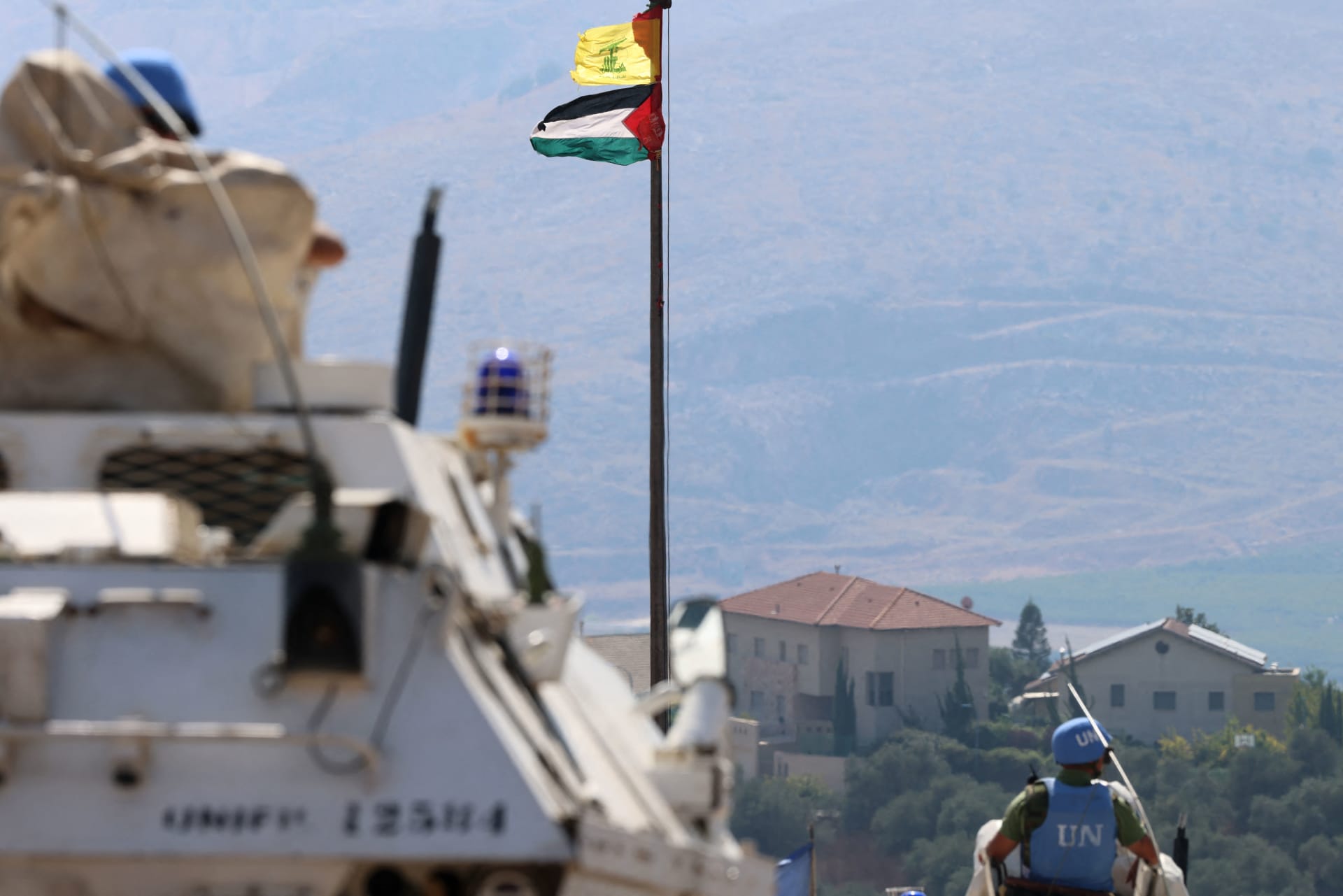
The Israeli army reported on Wednesday that it successfully eliminated a cell affiliated with Hezbollah after the group launched missiles towards its forces operating in southern Lebanon. This attack comes at a sensitive time marked by rising tensions between Israel and Hezbollah, raising fears of a potential military escalation.
This operation is part of Israel's ongoing efforts to counter security threats emanating from Lebanon, where Hezbollah's military activities have increased recently. The Israeli army confirmed that this cell was planning to carry out attacks against its forces, necessitating a swift intervention to neutralize them.
Details of the Incident
In detailing the attack, the Israeli army explained that it detected missile launches from Lebanese territory, prompting immediate action. The operation was successfully executed, resulting in the elimination of all cell members without any injuries reported among Israeli forces. Such operations reflect an Israeli strategy that relies on rapid and effective responses to any potential threats.
It is noteworthy that Hezbollah, considered one of the most prominent armed groups in Lebanon, has ramped up its military activities in recent years, raising concerns among Israeli authorities. Reports indicate that the group possesses a stockpile of advanced weaponry, including missiles capable of reaching deep into Israeli territory.
Background & Context
The roots of the conflict between Israel and Hezbollah date back decades, with the region witnessing numerous wars and conflicts. Hezbollah was established in 1982 during the Israeli occupation of Lebanon, and since then it has become a key player in Lebanese and regional politics. The group has fought several wars with Israel, the most notable being in 2006, which resulted in widespread devastation in Lebanon.
In recent years, tensions between the two sides have escalated, particularly with Hezbollah's increased military activities in Syria, where the group supports the regime of Bashar al-Assad against opposition forces. This military support has transformed Hezbollah into a significant regional power, complicating the conflict in the area.
Impact & Consequences
This operation occurs at a critical juncture, as fears of a larger military escalation between Israel and Hezbollah grow. These events could provoke reactions from the group, increasing the likelihood of armed conflict. Additionally, such operations may affect the security situation in Lebanon, potentially leading to heightened internal tensions.
On the international front, these developments could impact relations among major powers in the region, especially with the ongoing conflict in Syria and regional power interventions. The escalation between Israel and Hezbollah may also prompt international community involvement to mitigate tensions.
Regional Significance
The recent events between Israel and Hezbollah indicate the ongoing nature of conflicts in the region, where Arab countries continue to suffer from the repercussions of these disputes. Any escalation between the two parties could affect security and stability in Lebanon, exacerbating the suffering of the Lebanese people who are already grappling with economic and political crises.
In conclusion, the situation in the region remains tense, necessitating that the involved parties work towards de-escalation and avoid military confrontation. The continuation of these conflicts could lead to dire consequences for regional and international security.