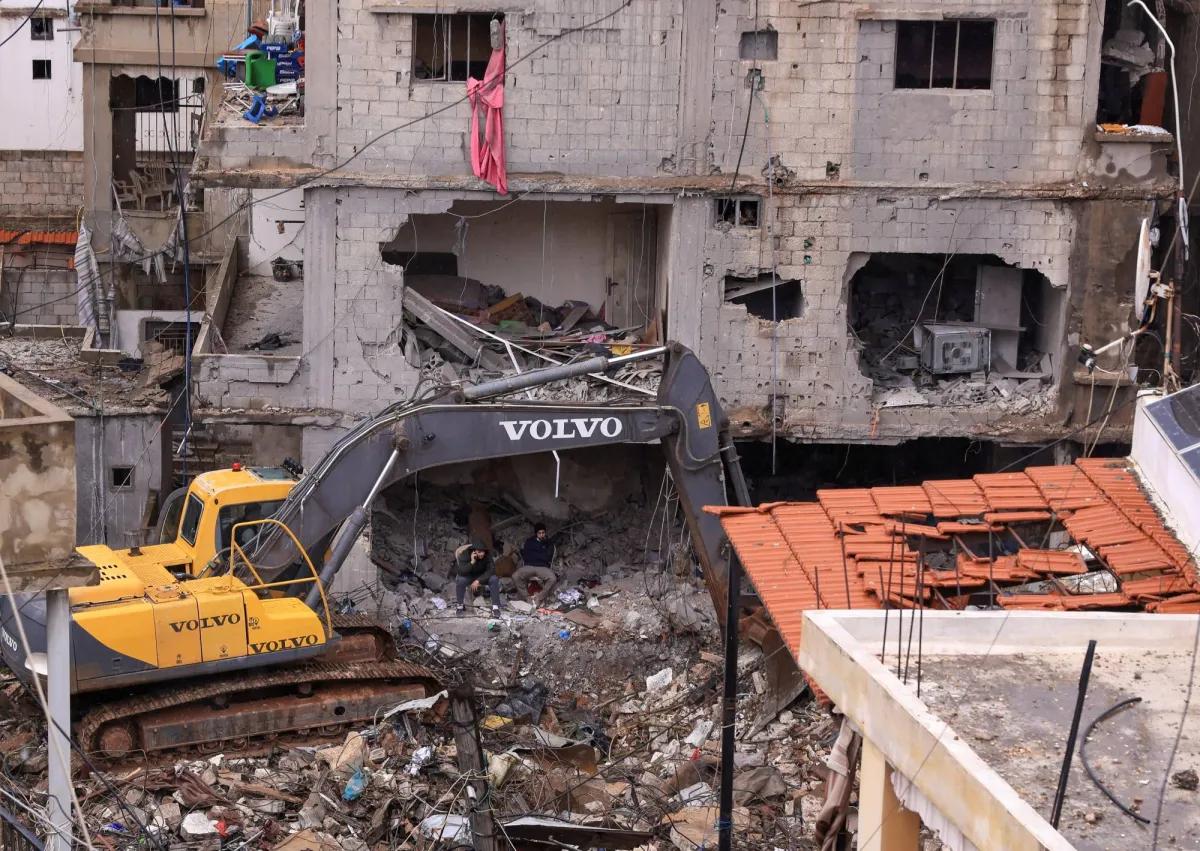
Israel has announced the evacuation of a wide area in southern Lebanon, issuing an urgent alert that includes 41 towns and villages, resulting in the displacement of tens of thousands of residents. This action reflects a notable escalation in military pressures on Hezbollah, according to experts.
The Israeli warning urged residents to move north of the Zahrani River, aiming to reduce risks to Israeli forces deployed in the area. The alert included towns belonging to the districts of Nabatieh, Tyre, and Zahrani, indicating the widening scope of military operations.
Details of the Event
According to the Israeli website Walla, Israeli Defense Minister Israel Katz is considering a plan to evacuate Lebanese civilians from the area between the Litani River and the Zahrani River. This plan aims to cut off supply lines to Hezbollah by targeting infrastructure and military headquarters, particularly in the city of Nabatieh.
The report also warned that any movement in these areas could expose individuals to aerial and ground fire, escalating tensions in the region. Meanwhile, the repercussions of the alerts are rapidly becoming evident, with the mayor of Haret Saida, Mustafa Al-Zein, reporting that around 210 families have been accommodated in shelters or relatives' homes.
Background & Context
The region has been experiencing military escalation since the beginning of the war, with Al-Zein noting that the number of displaced individuals in Haret Saida has reached about 27,000, equivalent to approximately 6,800 families from various southern villages. This displacement reflects the increasing economic and social pressures on the state and host communities.
Retired military expert Brigadier General Khalil Al-Halou believes that Israeli military behavior aims to impose a new field reality by creating a buffer zone free of residents in southern Lebanon. This trend has become evident in Israeli rhetoric, reflecting an awareness of the advanced military infrastructure of Hezbollah in these areas.
Impact & Consequences
The expansion of evacuation alerts to include areas from the Litani River to the Zahrani indicates an Israeli recognition of the presence of heavy weapons and launch platforms in those regions. The evacuation of these areas aims to grant the Israeli army greater freedom of fire, thereby increasing pressure on Hezbollah.
Al-Halou points out that as the displacement movement expands, the economic and social pressures on the state increase, potentially leading to internal tensions. These issues may exceed the state's capacity to contain them if the confrontation prolongs.
Regional Significance
What is happening in southern Lebanon reflects a shift in the conflict, as Israelis seek to impose a long-term geo-security equation. This equation relies on distancing direct threats from Israel's northern borders, which could lead to greater escalation in the region.
The current transformations indicate that the confrontation with Hezbollah is no longer limited to border clashes but extends into a broader strategic depth. This requires a redefinition of the rules of engagement, potentially opening the door to new challenges in the region.
In conclusion, the situation in southern Lebanon requires close monitoring, as military pressures intersect with internal crises, creating a complex environment that could impact regional stability.