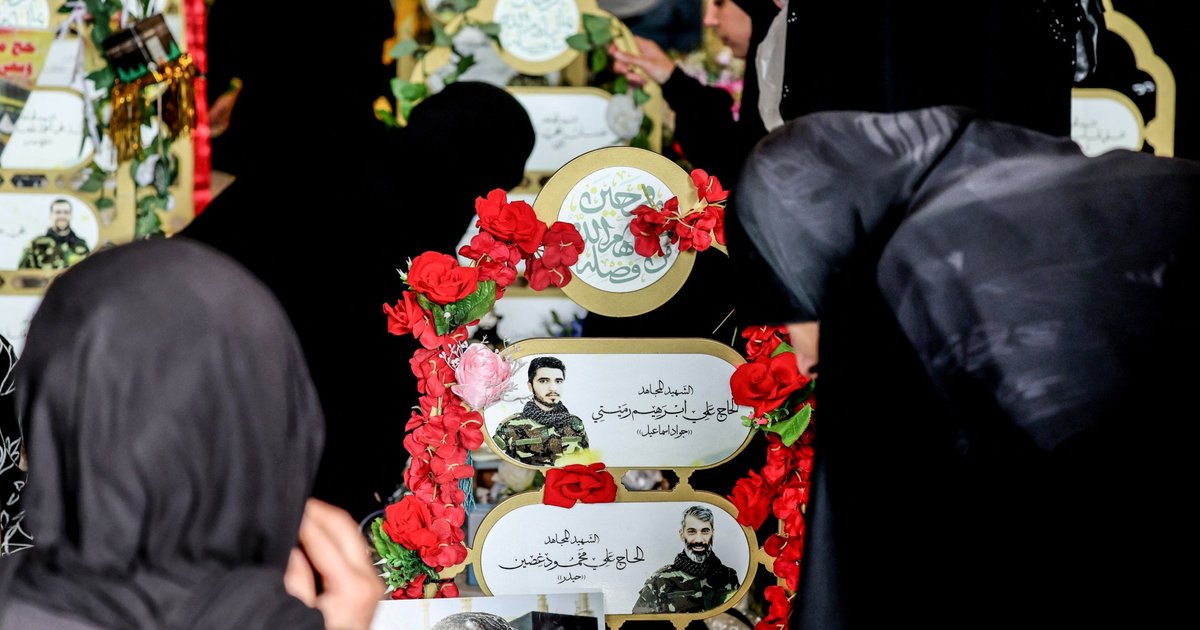
On Thursday, Israeli military forces issued evacuation orders for the residents of Tyre, a city located in southern Lebanon, demanding that civilians relocate north of the Zahrani River. This move is part of escalating military and security tensions between Israel and Hezbollah, raising concerns about serious humanitarian consequences for the local population.
Tyre is one of Lebanon's historical cities, strategically positioned along the Mediterranean coast. The city has witnessed numerous historical events, including military conflicts that have impacted its residents. Under the current circumstances, the inhabitants face significant challenges due to these military orders.
Details of the Evacuation Orders
Reports indicate that the Israeli orders are part of a broader escalation of military operations in the region, as Israel seeks to enhance its security along the northern border. The Zahrani River has been designated as a dividing line, meaning that many families will be forced to leave their homes in a short timeframe. This decision has sparked angry reactions from residents who view these orders as a violation of their human rights.
These events coincide with rising tensions in the area, with increasing fears of a new conflict between Israel and Hezbollah. Humanitarian organizations have expressed concern about the potential impact on civilians, as the conflict could exacerbate the humanitarian situation in Lebanon.
Background & Context
Historically, the Tyre region has experienced numerous armed conflicts, ranging from the Lebanese civil wars to Israeli confrontations. The city has been a focal point for various political and military events, making it a magnet for armed factions. In recent years, tensions between Israel and Hezbollah have intensified, leading to heightened fears of a new outbreak of conflict.
The Israeli military orders are part of a broader strategy aimed at controlling border areas and preventing potential threats. However, this strategy comes at the expense of civilians who suffer the consequences of armed conflicts.
Impact & Consequences
Many humanitarian organizations anticipate that these orders will worsen the humanitarian situation in Lebanon, as numerous residents will be compelled to leave their homes without clear plans for their resettlement. This step may also increase tensions among armed factions in the region, heightening the likelihood of a new conflict.
Furthermore, the psychological impact on the population will be significant, as many will feel unsafe and experience a loss of stability. Given Lebanon's challenging economic conditions, these orders could further strain affected families.
Regional Significance
The events in Tyre are part of a broader context involving regional tensions in the Middle East. These conditions contribute to deepening divisions among Arab states and increase fears of escalating armed conflicts. Additionally, the deteriorating humanitarian situation in Lebanon could affect stability in neighboring countries.
In conclusion, the situation in Tyre requires urgent international attention, as the global community must act to protect civilians and ensure their human rights. The current circumstances indicate the necessity of finding peaceful solutions to conflicts in the region, away from military escalation that could lead to dire consequences.