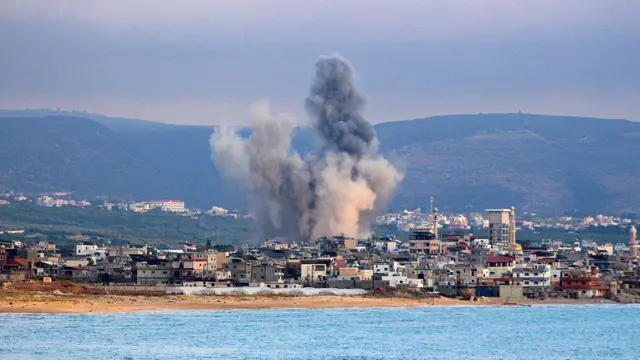
Israeli authorities have issued evacuation orders for extensive areas in southern Lebanon, affecting around 14% of Lebanese territory. These orders are the largest since the ceasefire came into effect last month, raising new concerns about the security situation in the region.
This action comes at a sensitive time, as the international community seeks to bolster peace efforts in the area following an upsurge in hostilities. The Israeli orders are set against a backdrop of increasing tensions between the two sides, placing civilians in a difficult position and exacerbating their suffering.
Details of the Evacuation Orders
The evacuation orders encompass residential and commercial areas, threatening the lives of many families residing in those locations. A short deadline has been given for civilians to leave their homes, raising questions about human rights and international obligations towards civilians in conflict zones.
These orders follow a series of violent clashes along the Lebanese-Israeli border, where mutual attacks between Israeli forces and armed groups in Lebanon have intensified. These events have heightened anxiety among local residents, who live in a state of uncertainty and fear of military escalation.
Background & Context
Historically, the Lebanese-Israeli border has been a theater of tensions and conflicts. Since 2006, when the Second Lebanon War erupted, the region has witnessed several rounds of violence. These events place Lebanon in a challenging position as it strives to maintain internal stability amid ongoing economic and political crises.
These orders coincide with international efforts to revive the peace process in the Middle East, as the global community seeks to find lasting solutions to the Israeli-Palestinian conflict. However, the rising violence in Lebanon complicates these efforts.
Impact & Consequences
The evacuation orders may worsen the humanitarian situation in southern Lebanon, where many residents already live under difficult conditions. This step is likely to increase the number of displaced persons, putting additional pressure on the country's limited resources.
Furthermore, these orders could affect Lebanese-Israeli relations, potentially leading to heightened military tensions. If the situation continues along this trajectory, we may witness an escalation in military operations, threatening the stability of the entire region.
Regional Significance
The situation in Lebanon serves as an indicator of the overall tension in the Arab region. Events in Lebanon could impact neighboring countries, especially given the political and economic crises in nations like Syria and Palestine.
Many Arab countries are seeking to support Lebanon during these challenging times, as Lebanon's stability is considered part of regional stability. However, ongoing tensions may hinder these efforts and complicate the regional landscape.
In conclusion, the situation in southern Lebanon remains under scrutiny, highlighting the urgent need for effective and lasting solutions to protect civilians and ensure their safety under the current circumstances.