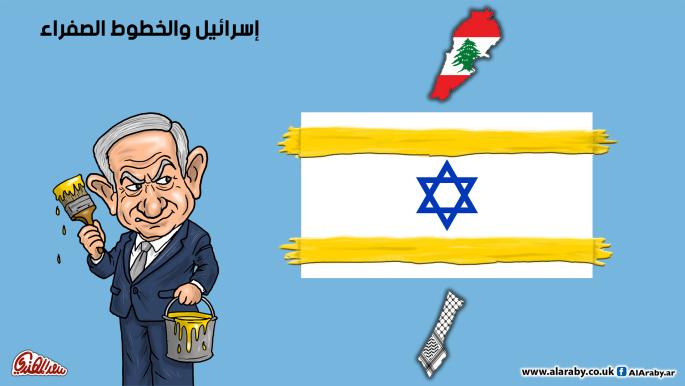
Israel has recently announced the launch of its new yellow lines, a move that has sparked widespread controversy in both political and public spheres. This decision comes at a sensitive time when the region is experiencing heightened tensions, making it a focal point for observers.
The Israeli government aims to enhance its control over disputed areas through this initiative, as the new lines represent a part of its security strategy. This development has raised concerns among Palestinians and the international community, who view it as a violation of their rights.
Details of the Announcement
The yellow lines announced by Israel encompass new areas in the West Bank, complicating the existing situation further. Israeli officials have stated that this move aims to improve security in the region; however, Palestinians see it as an expansion of settlement activities.
In this context, many human rights organizations have warned of the repercussions of this step, indicating that it could exacerbate humanitarian conditions in the affected areas. They have also called on the international community to intervene to halt these actions.
Background & Context
Historically, the region has witnessed numerous similar actions taken by Israel, which often lead to escalating tensions. For decades, the issues of borders and settlements have been among the most contentious topics between Israelis and Palestinians, making this move part of a long-standing conflict.
This initiative comes at a time when international pressure on Israel is increasing to comply with international laws regarding human rights. Nevertheless, the Israeli government appears determined to proceed with its plans, further complicating the existing situation.
Impact & Consequences
The new yellow lines could lead to a deterioration of security conditions in the region, potentially resulting in an escalation of military operations by Palestinian factions. Additionally, this step may negatively affect relations between Israel and Arab countries, especially amid normalization attempts witnessed in recent years.
Furthermore, this action could increase pressure on the Israeli government from the international community, which may reflect on its future policies. There are also concerns that this move could escalate violence in the region, directly impacting civilians.
Regional Significance
This step serves as a test for the relationships between Israel and Arab countries, as it may lead to a setback in peace efforts. While some Arab nations strive to strengthen ties with Israel, these actions could provoke negative reactions from Arab populations.
Moreover, this initiative could affect mediation efforts by certain countries, complicating the political landscape in the region. Under these circumstances, hope remains pinned on the international community to intervene for the sake of achieving peace and stability.
In conclusion, the new yellow lines announced by Israel represent a controversial step that could escalate tensions in the region. Given the current circumstances, the question remains regarding how the international community will respond to this move and whether it will impact future peace efforts.