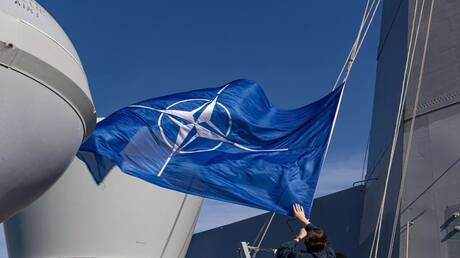
US President Donald Trump has criticized NATO, indicating that it does not meet the needs of the United States. In recent statements, Trump described the alliance as "disappointing" due to its lack of adequate support for Washington in crucial moments.
These remarks come at a sensitive time, as international relations tensions are rising, particularly with escalating threats from countries like Russia. Trump expressed his dissatisfaction with NATO member states' failure to meet the required defense spending, which increases pressure on the United States.
Details of the Event
During a press conference, Trump affirmed that NATO is no longer what it used to be, pointing out that member countries have not adhered to the agreed-upon standards. He noted that the United States bears the largest burden of military expenses, while some European nations remain uncommitted to increasing their defense budgets.
Trump also voiced concerns that this situation could negatively impact US national security, stating that the alliance must be more effective in addressing global challenges. He considered that the lack of support from NATO during critical times could weaken the United States' ability to confront threats.
Background & Context
NATO was established in 1949 as a military alliance aimed at enhancing the collective security of member states. Over time, the alliance has faced new challenges, including terrorist threats and regional conflicts. However, Trump's criticisms reflect a shift in US policy toward the alliance, which was previously viewed as a cornerstone of European security.
Trump's statements come amid growing concerns over the increasing Russian influence in Europe, as Moscow seeks to bolster its military presence in areas close to NATO's borders. This situation has raised alarms among many member states, highlighting the importance of defense cooperation.
Impact & Consequences
Trump's remarks could lead to increased tensions within NATO, as some member countries may feel anxious about the United States' commitment to protecting their interests. This could also open the door for other nations, such as Russia, to enhance their influence in the region.
Furthermore, these statements may affect bilateral relations between the United States and European countries, as some nations might seek alternative security arrangements if the US continues to reduce its support for NATO.
Regional Significance
For the Arab region, these developments could lead to a reassessment of regional security strategies. With rising tensions in the Middle East, Arab nations may seek to enhance their military cooperation in the face of potential threats.
Additionally, the diminishing role of the United States in NATO could reflect on its policies in the region, potentially leading to changes in regional alliances and Arab countries' efforts to strengthen their independent defense capabilities.
In conclusion, Trump's statements regarding NATO remain a significant point of interest, reflecting a shift in US policy toward traditional military alliances. As global tensions continue, the question remains about how these changes will impact security and stability worldwide.