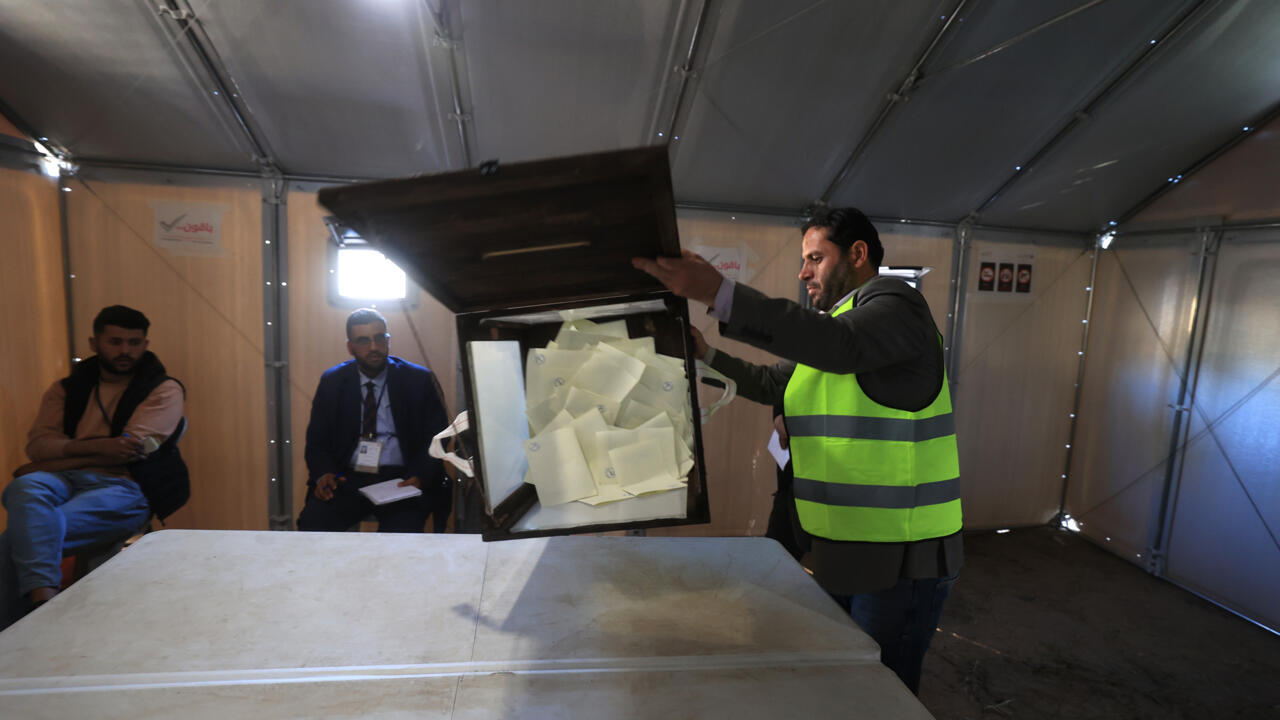
Official sources reported on Sunday that lists supported by Palestinian President Mahmoud Abbas achieved notable progress in the municipal elections held on Saturday, which included the city of Deir al-Balah in the Gaza Strip. This is the first time local elections have been held in Gaza since 2006.
The voting process took place under complex circumstances, with a participation rate of only 23% in Gaza, while it reached 56% in the West Bank. Prime Minister Mohammad Mustafa indicated that organizing elections during these sensitive times reflects the extraordinary challenges faced by the Palestinian Authority.
Event Details
These elections are considered an important step in enhancing democratic practices in the Palestinian territories, occurring at a sensitive time following the war that affected the region over two years ago. The Palestinian Authority emphasized that including the city of Deir al-Balah in the elections highlights the importance of Gaza as a fundamental part of the future Palestinian entity.
Although Hamas did not present official candidates, some candidates in Deir al-Balah were seen as supporters of the movement, which may reflect a divergence in voter opinions. Preliminary results showed that the list (Deir al-Balah Renaissance) backed by Fatah won six out of 15 seats, while the list (Deir al-Balah Unites Us) secured only two seats.
Context and Background
It is noteworthy that Hamas has controlled the Gaza Strip since 2007, leading to a political division between the West Bank and Gaza. The current elections come at a time when Abbas is seeking to strengthen his position in the face of internal and external challenges, including ongoing Israeli pressures.
These elections are the first at the Palestinian level since the outbreak of the last war, increasing their significance in the context of rebuilding trust among Palestinians. A spokesperson for Fatah noted that the participation rate was similar to that recorded in the previous elections in the West Bank in 2022.
Implications and Impact
The election results indicate support for Fatah in the West Bank, while reflecting greater challenges in Gaza. Political analyst Riham Awda stated that electing pro-Fatah figures could ensure international support for the municipality, potentially contributing to a gradual return of the movement to govern Gaza.
On the other hand, a spokesperson for Hamas downplayed the significance of the results, indicating that they do not affect broader national issues. This divergence in opinions reflects the ongoing political division between the two movements and underscores the need for comprehensive national dialogue.
Impact on the Arab Region
The repercussions of these elections extend beyond Palestine, reflecting internal conflicts within the Arab region. The elections could contribute to reshaping the Palestinian political landscape, impacting relations with other Arab countries.
In conclusion, the Palestinian municipal elections remain a significant event in the context of enhancing democracy, despite the substantial challenges faced. The results may open the door for further dialogue and understanding among Palestinian factions, potentially contributing to achieving national unity.