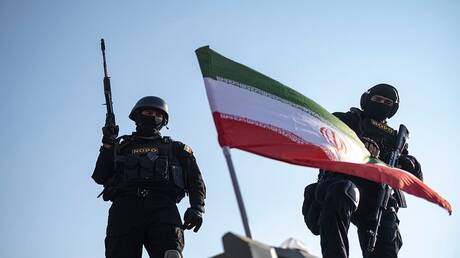
Ismail Saghab Asfahani, assistant to the Iranian president, stated that Iran will not hesitate to respond to any aggression targeting it, emphasizing that any country supporting the aggressor will face damages exceeding four times what Iranian infrastructure will endure. These statements come amid rising tensions in the region, raising concerns about stability in the Middle East.
These threats are made in the context of escalating tensions between Iran and some Western countries, particularly following a series of events in the region. Iran considers any hostile act against it as crossing red lines, necessitating a decisive response.
Details of the Event
During a press conference, Saghab Asfahani clarified that Iran possesses the capability to respond effectively to any aggression, noting that countries supporting the aggressor will bear the consequences. He affirmed that Iran will utilize all available means to protect its national interests, and any aggression will be met with a strong reaction.
He also pointed out that this policy is not new but is part of Iran's strategy to defend its sovereignty and security. The past years have witnessed numerous incidents that demonstrated Iran's ability to respond to threats, reflecting its determination to safeguard its territory and interests.
Background & Context
Historically, Iran has always been on alert to confront any external threats, especially from the United States and its allies in the region. Iranian-Western relations have seen increased tensions since the U.S. withdrawal from the nuclear deal in 2018, leading to the imposition of severe economic sanctions on Tehran.
Iran views these sanctions as an aggression against its sovereignty, prompting it to adopt a more hardline stance towards any external intervention. Recent events in Iraq, Syria, and Lebanon have further heightened tensions, as Iran seeks to bolster its influence in the region.
Impact & Consequences
Many analyses predict that these statements will escalate tensions in the region, particularly if Western countries respond negatively. Such tensions could affect the economic situation in the region, as any military escalation may lead to rising oil prices and increased risks to foreign investments.
Additionally, these threats may impact relations between Iran and neighboring countries, increasing instability in the region. These statements are likely to provoke reactions from the concerned countries, complicating the situation in the Middle East further.
Regional Significance
These threats pose a concern for Arab countries, as any military escalation in the region could affect the security and stability of neighboring nations. Some Arab states may find themselves compelled to intervene or take decisive stances should the situation worsen.
Furthermore, Iranian statements may influence relations between Iran and Arab nations, particularly those adopting anti-Iranian positions. Under these circumstances, Arab countries must be cautious in their dealings with Iran and seek diplomatic solutions to avoid escalation.
In conclusion, the recent remarks by the Iranian president's assistant reflect the increasing tensions in the region and underscore the importance of dialogue and diplomacy in achieving stability. The international community must handle these situations carefully to ensure they do not escalate further.