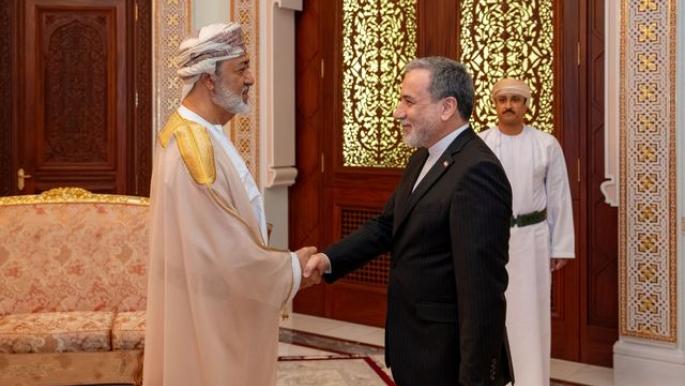
In a bid to revive negotiations between Iran and the United States, Iranian Foreign Minister Abbas Araghchi departed Islamabad for Moscow following a brief visit to Muscat. This step comes at a sensitive time in the region, where parties are eager to resume dialogue that has been halted for an extended period.
Araghchi's visit coincides with extensive diplomatic maneuvers, as Iran seeks to strengthen its position in negotiations with Washington. Tehran has shown its willingness to return to the negotiating table, reflecting its desire to improve relations with the West after years of tension.
Details of the Event
Araghchi left Islamabad after delivering messages to American officials, indicating a serious desire to resume dialogue. The visit to Moscow is part of coordination between the two countries, with Russia being a strategic partner for Iran on various regional and international issues.
During his visit to Muscat, Araghchi met with Omani officials to discuss ways to enhance regional cooperation and exchange views on outstanding issues. Oman plays a mediating role in many regional conflicts, making it an important launching point for Iranian diplomacy.
Background & Context
Historically, relations between Iran and the United States have been marked by increasing tensions since the 1979 Islamic Revolution. However, there have been repeated attempts to rebuild trust between the two sides, especially after the nuclear agreement reached in 2015. The U.S. withdrawal from the agreement in 2018 brought matters back to square one, leading to a rise in tensions.
In recent years, Iran has sought to bolster its relations with neighboring countries, including Pakistan and Oman, as part of its strategy to alleviate economic and political pressures. These moves reflect Tehran's desire to seek diplomatic solutions rather than military escalation.
Impact & Consequences
If negotiations between Iran and the United States succeed, they could lead to a reduction in sanctions imposed on Tehran, potentially contributing to an improvement in the Iranian economic situation. Additionally, resuming dialogue could help stabilize the region, where many countries are suffering from the repercussions of ongoing conflicts.
On the other hand, the failure of negotiations could lead to an escalation of tensions, negatively impacting regional security. Neighboring countries to Iran, such as Iraq and Turkey, are closely monitoring the developments of these negotiations, as any escalation could affect their internal stability.
Regional Significance
The Iranian-American relations are pivotal in shaping the contours of regional security. Any progress in negotiations could positively reflect on Arab countries, especially those facing tensions with Iran. Conversely, any escalation could lead to increased tensions in the region, affecting security and stability.
Ultimately, all eyes remain focused on the outcomes of these diplomatic moves, as the future of Iranian-American relations could significantly impact the situation in the Middle East.