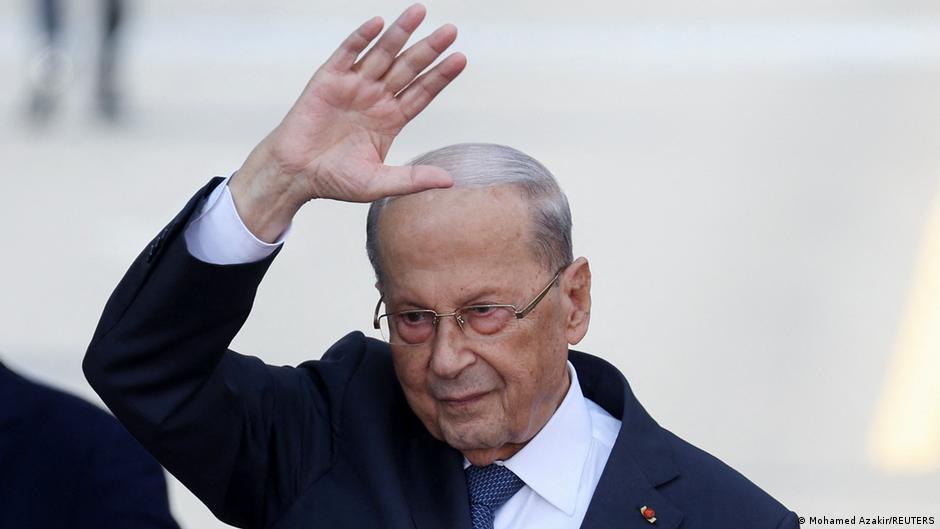
Lebanese President Michel Aoun emphasized in recent statements that the ongoing negotiations are not a betrayal, calling on everyone to exercise patience and await the results before passing judgment. These comments come amid political and economic crises gripping Lebanon, highlighting the importance of dialogue and negotiation during this critical phase.
Under the current circumstances, Lebanon faces significant challenges regarding political and economic stability. The country is suffering from a severe financial crisis, with the local currency having depreciated dramatically, affecting citizens' purchasing power. In this context, negotiations with international and local parties are vital for achieving stability.
Details of the Event
During a speech, Aoun pointed out that the negotiations currently underway aim to serve Lebanon's higher interests and are not merely transient political steps. He affirmed that dialogue is the only way to emerge from the accumulated crises, stressing the importance of support from all political parties for this approach.
Aoun also called for the need to build trust among all parties involved, noting that reaching an agreement may take some time, but it will ultimately benefit all Lebanese. He confirmed that any results that emerge in the near future will reflect the seriousness of these negotiations.
Background & Context
Historically, Lebanon has witnessed numerous political crises that have led to deteriorating economic and social conditions. Since 2019, Lebanon has entered an unprecedented financial crisis, with the Lebanese pound losing over 90% of its value. These crises have made it essential to seek sustainable political and economic solutions.
In recent years, the Lebanese government has attempted to implement economic reforms; however, these efforts have often faced political obstacles. Therefore, the current negotiations represent a new opportunity for progress, but they require genuine cooperation among all parties.
Impact & Consequences
If the negotiations succeed, they could lead to an improvement in Lebanon's economic situation, contributing to restoring trust among citizens and investors. Furthermore, the success of these negotiations may open the door to greater international support, aiding in the reconstruction of the Lebanese economy.
On the other hand, if the negotiations fail, it could exacerbate the current crises, increasing pressure on the government and negatively impacting citizens' lives. Thus, the anticipated outcomes will have significant implications for Lebanon's future.
Regional Significance
The situation in Lebanon serves as an indicator of the challenges faced by many Arab countries. Political and economic crises are not limited to Lebanon alone but also affect other nations in the region. Therefore, Lebanon's success in overcoming its crisis could serve as a model for other countries.
In conclusion, hope remains pinned on the success of the current negotiations, as achieving stability in Lebanon could contribute to enhancing security and stability throughout the entire region.