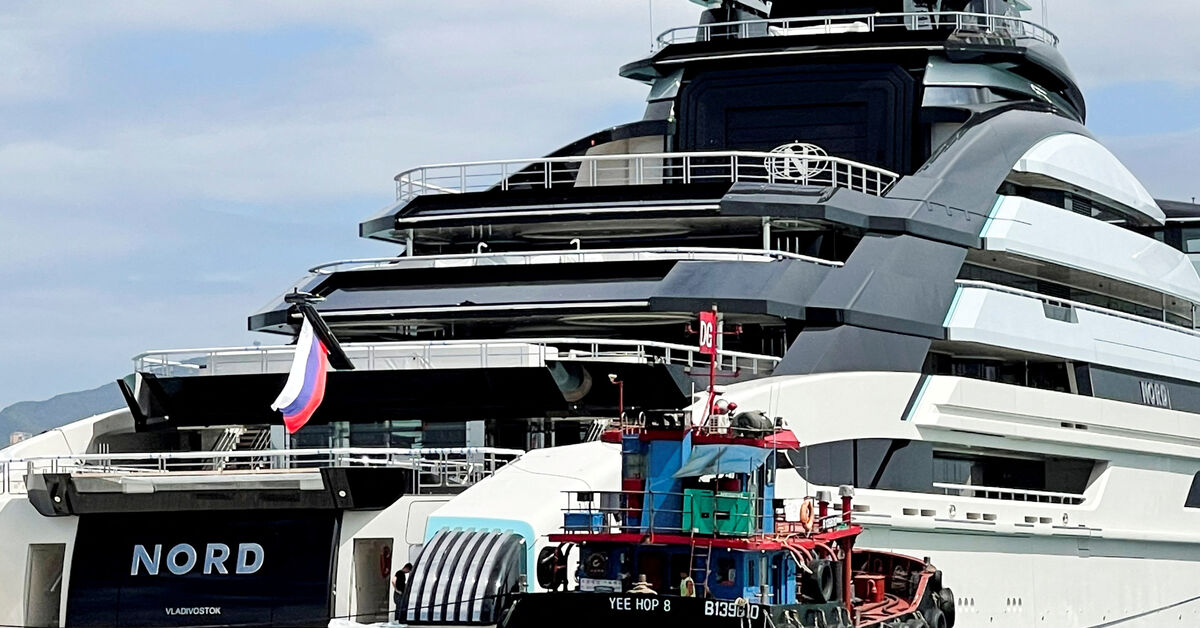
A luxurious yacht owned by Russian billionaire Alexey Mordashov successfully crossed the Strait of Hormuz after undergoing maintenance in Dubai, with no objections from either Iran or the United States. This event is controversial due to the strategic importance of the strait, which is a vital point for global maritime traffic.
The yacht, valued at over $500 million, managed to sail last Saturday, raising questions about how it received permission to cross at a time when the region has been experiencing severe restrictions on maritime movement since February.
Details of the Event
Maritime traffic in the Strait of Hormuz is crucial for global oil trade, with approximately 20% of total global oil exports passing through it. Despite the tensions between Iran and the United States, the crossing of the Russian yacht indicates a delicate balance in international relations, suggesting that both parties chose not to escalate the situation in this instance.
Questions are increasing regarding how this yacht was able to obtain permission, especially given the restrictions on ship movements in the area. A source close to Mordashov indicated that there may have been unannounced understandings that facilitated this crossing.
Background & Context
Historically, the Strait of Hormuz has witnessed recurring tensions, serving as a launch point for many regional and international crises. In recent months, tensions between Iran and the United States have escalated, leading to restrictions on maritime traffic. However, this crossing suggests the possibility of communication channels between the involved parties.
It is noteworthy that Mordashov is one of the prominent Russian businessmen, and his assets have faced restrictions due to sanctions imposed on Russia. Therefore, the crossing of his yacht through the strait may carry implications regarding shifts in international politics.
Impact & Consequences
This event could have significant implications for international relations, highlighting the importance of the Strait of Hormuz as a link between major powers. Additionally, this crossing may reflect resilience in dealing with crises, potentially encouraging further understandings in the future.
Moreover, this incident could impact global oil markets, as any change in maritime traffic may lead to price fluctuations. Consequently, monitoring reactions from the involved countries will be essential to understand the economic dimensions of this event.
Regional Significance
The Strait of Hormuz is a vital point for Arab oil-producing countries, through which large quantities of oil exports pass. Therefore, any change in the security or political situation in this region could directly affect the Arab economy.
In light of the current tensions, Arab countries must be prepared to address any repercussions that may arise from this event, whether on security or economic levels. Strengthening cooperation among Arab nations may be necessary to face potential challenges.