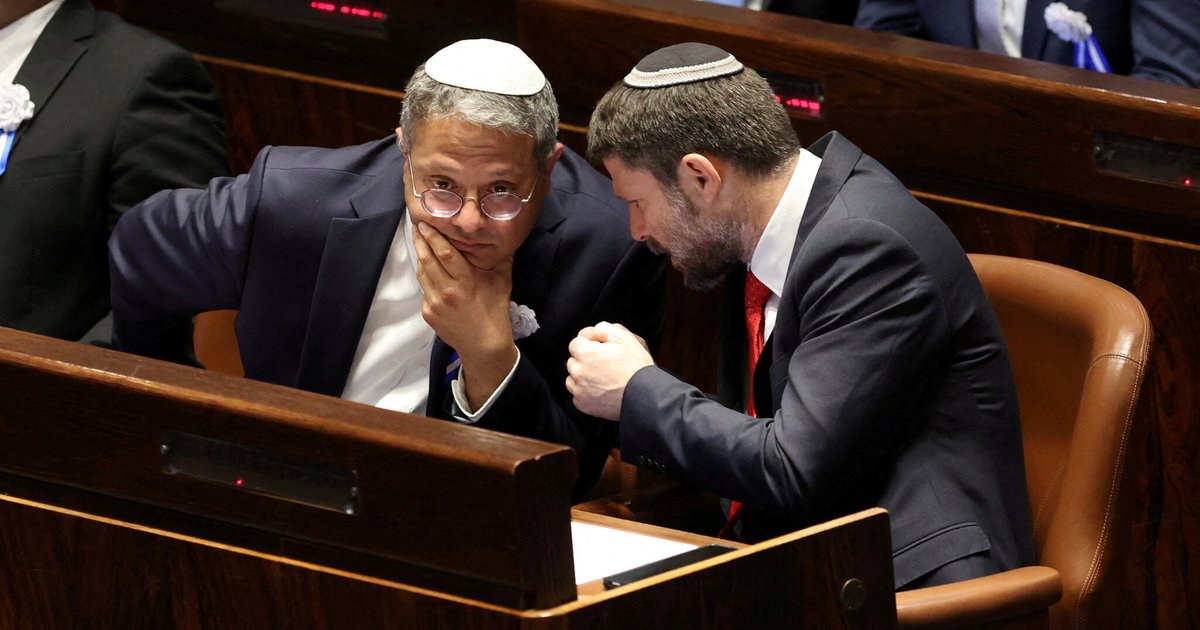
The Israeli government is experiencing increasing tension as new sanctions against the Haredim, a religious group significantly influencing the political landscape, come into view. These sanctions could lead to a constitutional crisis that threatens the stability of the current government.
These developments arise at a sensitive time, as the Israeli Prime Minister seeks to bolster his authority amid internal and external challenges. Government sources have confirmed that the proposed sanctions aim to reduce financial support provided to the Haredim, which may provoke strong reactions from this community.
Details of the Proposed Sanctions
The proposed sanctions include cuts to budgets allocated for Haredi schools, which many view as an attack on their way of life. Government officials have indicated that this move aims to achieve social justice by redirecting more resources to other sectors within Israeli society.
However, the Haredim, who represent a significant portion of the electoral base for the Shas and United Torah Judaism parties, perceive these sanctions as a threat to their existence. Their leaders have warned that any attempt to reduce financial support will escalate political tensions and could spark widespread protests.
Background & Context
Historically, the relationship between the Israeli government and the Haredim has been complex. This group has received substantial government support in recent years, allowing them to develop their own educational system. Nevertheless, economic and social pressures have prompted the government to reassess this relationship.
In recent years, Israel has witnessed significant political changes, with right-wing parties gaining more influence. This shift may have long-term implications for how the government interacts with the Haredim, especially amid increasing pressures from the secular community.
Impact & Consequences
If these sanctions are implemented, they could trigger a constitutional crisis within the government. The Haredim may resort to the Supreme Court to challenge the legality of these sanctions, potentially placing the government in a precarious position. Furthermore, any escalation in tensions could lead to the collapse of the current coalition government.
Moreover, this crisis could affect political stability in Israel as a whole, with the possibility of early elections if the government fails to address this issue effectively. Internal crises may also impact the government's ability to deal with external challenges, such as the Israeli-Palestinian conflict.
Regional Significance
Developments in Israel are of great importance to the Arab region. Internal political crises could influence the government's policy towards the Palestinians, potentially escalating tensions in the occupied territories. Additionally, any changes in the Israeli government could affect relations with Arab countries, especially amid ongoing normalization efforts.
In conclusion, the sanctions against the Haredim represent a significant challenge for the Israeli government and may open the door to new constitutional crises. The government must handle this issue with caution to ensure its political stability.