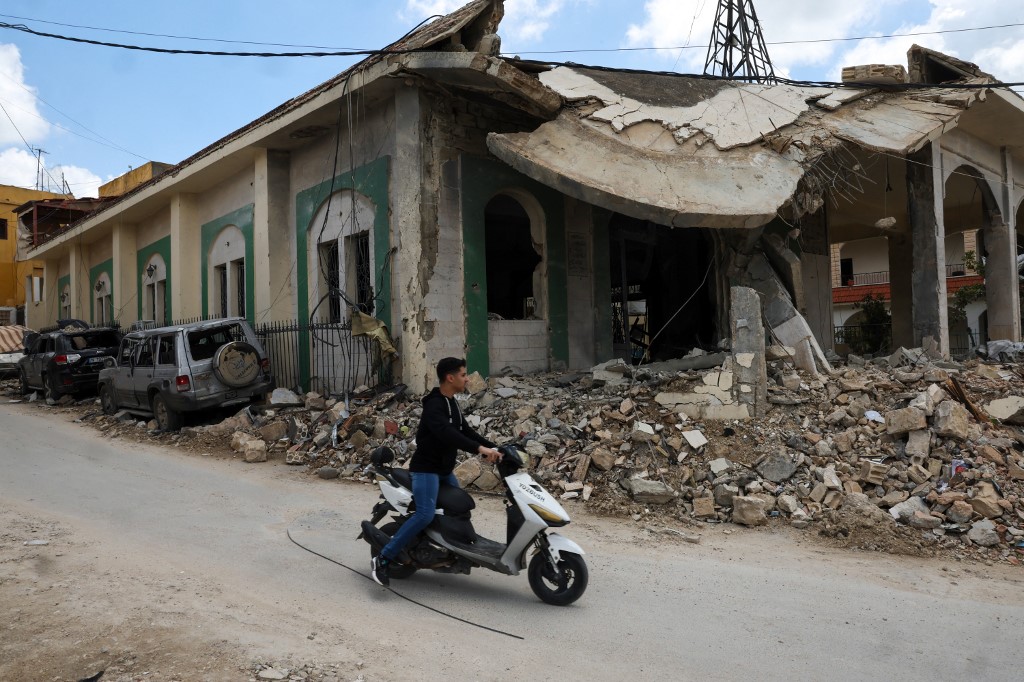
A Palestinian was seriously injured on Sunday evening due to random gunfire from Israeli forces in Jabalia Camp, located in the northern Gaza Strip. The incident occurred in the Al-Faluja area of the camp, where Israeli forces opened fire indiscriminately, resulting in one resident being shot with live ammunition.
Medical sources reported that this incident comes at a time when violence in the region is escalating, with the number of Palestinian casualties reaching 72,587 since the beginning of the Israeli war on Gaza on October 7, 2023. Reports also indicate that the number of injured has reached 172,381.
Details of the Incident
This incident is part of the ongoing escalation in the Israeli-Palestinian conflict, as Israeli forces continue their military operations in the Gaza Strip. This escalation has raised widespread international concern, with increasing calls for de-escalation and a ceasefire. The recent incident in Jabalia Camp reflects the deteriorating humanitarian situation in the area, where residents are suffering from a severe shortage of basic resources.
These events come at a sensitive time, with growing international pressure on Israel to halt military operations. However, the situation appears to remain tense, exacerbating the suffering of civilians in Gaza.
Background & Context
Historically, Gaza has witnessed repeated military escalations between Palestinian factions and Israeli forces. Since 2005, when Israel withdrew from the Gaza Strip, the area has become a theater for recurring conflicts. In recent years, the intensity of the conflict has escalated, leading to a significant number of casualties, particularly among civilians.
Palestinian camps, such as Jabalia Camp, are among the most affected areas due to the conflict. Thousands of Palestinians live in these camps under dire humanitarian conditions, complicating the security and humanitarian situation in the region.
Impact & Consequences
Reports indicate that the military escalation has negative effects on the humanitarian situation in Gaza. With the rising number of casualties and injuries, the healthcare system in Gaza is under immense pressure, as hospitals suffer from a severe shortage of equipment and resources.
The continuation of violence also impacts humanitarian relief efforts, as humanitarian organizations find it difficult to reach those in need. This situation raises concerns about the worsening humanitarian conditions in the region, necessitating urgent international action.
Regional Significance
The Israeli-Palestinian conflict is a central issue in the Arab world, with events in Gaza affecting relations between Arab countries and Israel. The ongoing violence in Gaza could lead to heightened tensions in the region, impacting regional stability.
Many Arab countries are striving to enhance mediation efforts to achieve peace, but the challenges are significant. The situation in Gaza remains a focal point of interest in the Arab world, as everyone looks for a peaceful solution that guarantees the rights of Palestinians and ensures security for all.
In conclusion, events in Gaza remain under international scrutiny, with increasing calls for de-escalation and an end to violence. The deteriorating humanitarian situation requires urgent action from the international community to ensure the protection of civilians and achieve peace in the region.