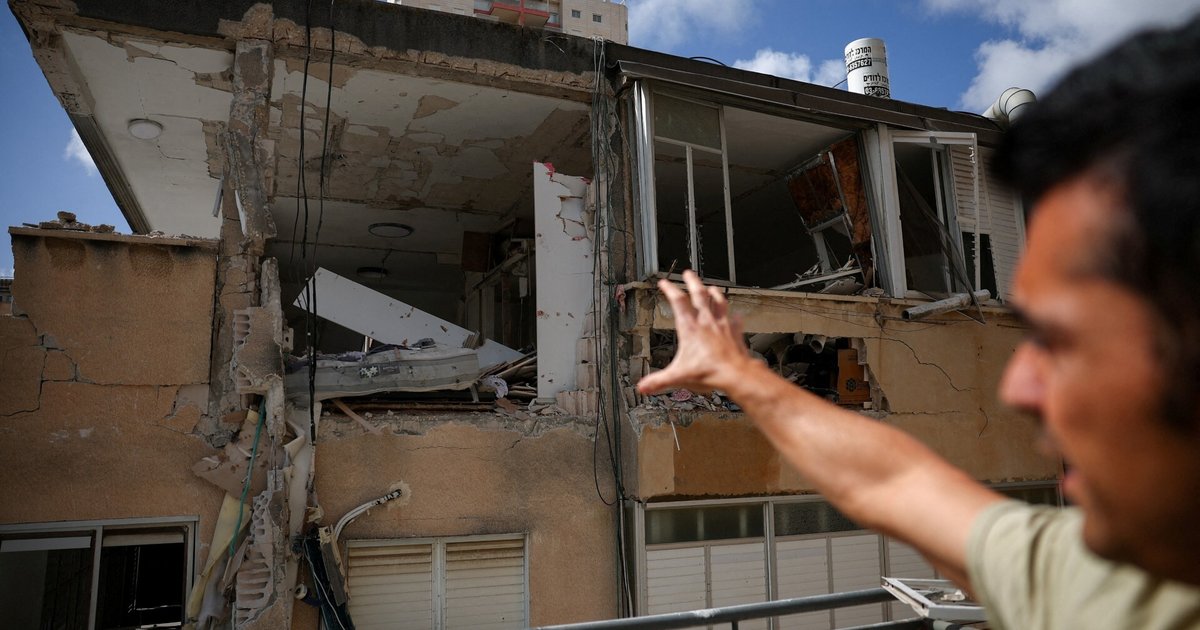
Israeli forces have issued evacuation orders for residents of 41 towns in southern Lebanon, directing them to relocate north of the Zahrani River. This step is part of the ongoing military operations in the area, which have heightened tensions between Israel and Hezbollah.
The Israeli orders include the evacuation of residential areas at a time when fears of escalating combat are increasing. Reports indicate large-scale evacuations as the Israeli army seeks to secure the region from potential threats.
Details of the Event
These orders come at a sensitive time, with increasing tensions along the Lebanese-Israeli border. Israeli military spokespeople have indicated that this move aims to protect civilians and facilitate military operations against specific targets. However, these orders raise significant concerns among local populations who find themselves forced to leave their homes.
These orders are part of a broader strategy adopted by Israel in the context of its ongoing conflict with Hezbollah, aiming to reduce risks to its military forces. Reports have shown that many residents have already begun to leave their areas, exacerbating the suffering of civilians in the region.
Background & Context
Historically, the Lebanese-Israeli border has witnessed numerous armed conflicts, with Hezbollah being one of the prominent armed factions in Lebanon. Since the 2006 war, tensions between the two sides have escalated, leading to a series of clashes and military operations. Recent events have triggered a new surge in violence, complicating the situation further.
These developments coincide with escalating humanitarian crises in Lebanon, where many residents are suffering from the repercussions of economic and political crises. The ongoing conflict has exacerbated humanitarian conditions, making the forced evacuation of residents even more challenging and complex.
Impact & Consequences
These evacuation orders serve as an indicator of the escalating conflict in the region, which may worsen humanitarian conditions. The evacuation of residents from their homes could increase the number of displaced persons, putting additional pressure on Lebanon's limited resources. Furthermore, this escalation could affect relations between Lebanon and Israel, increasing the likelihood of new conflicts in the future.
Moreover, these orders may provoke reactions from the international community, as human rights organizations are likely to condemn these actions. The tense situation in the region requires an urgent response from the international community to ensure the protection of civilians and mitigate the conflict's severity.
Regional Significance
Events in southern Lebanon directly impact regional stability, as any escalation in conflict could extend its effects to neighboring countries. The deteriorating conditions in Lebanon may lead to increased tensions in the region, presenting new challenges for Arab nations in terms of security and stability.
Arab countries must be prepared to face the repercussions of these events, as armed conflicts do not only affect the involved nations but also extend their impacts to neighboring states. Strengthening regional cooperation in security and stability is essential to address these challenges.