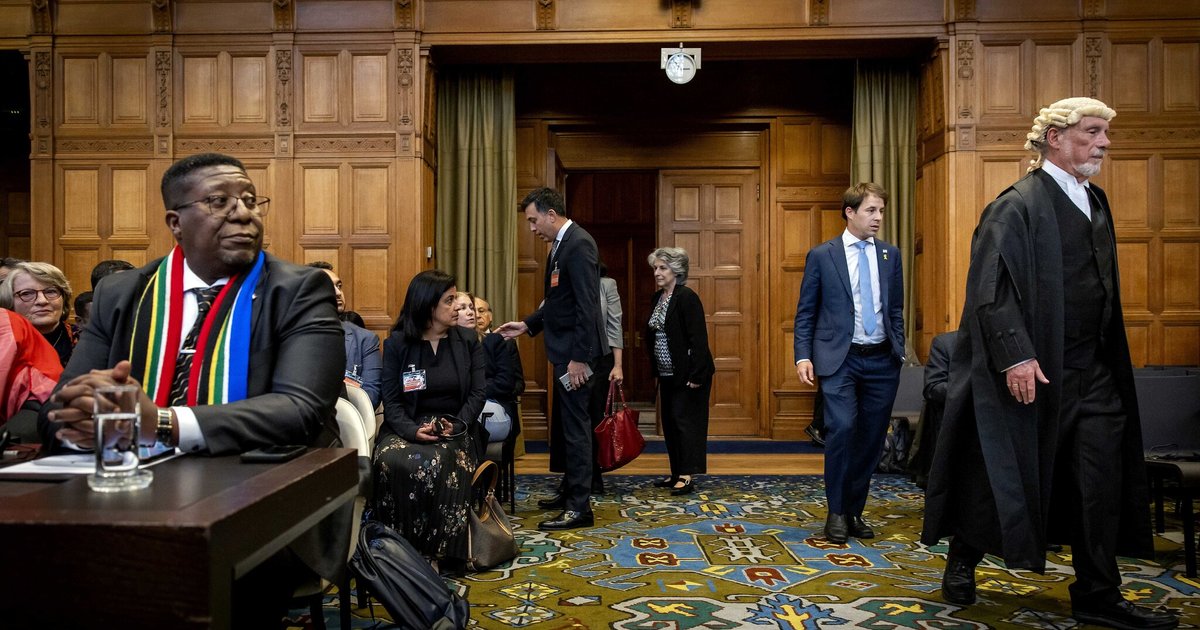
Questions are mounting regarding Israel's political future amid the growing isolation it faces internationally. Reports indicate that this isolation could exacerbate the divide between the policies of governments that support Israel and public opinion in those countries, raising concerns about the possibility of Israel becoming a pariah state.
This gap is clearly manifested in the contrasting positions between governments and their citizens. While some governments continue to support Israel, public sentiment in many countries is increasingly critical of Israeli policies, especially concerning the Palestinian issue. This disparity places governments in a difficult position, as they find themselves needing to balance their political commitments with the demands of their populations.
Details of the Situation
In recent years, Israel has witnessed a notable decline in support from some of its traditional allies, exacerbating its isolation. Polls have shown that many citizens in Western countries, including the United States and Europe, have become more critical of Israeli policies. These shifts reflect profound changes in public mood, with citizens demanding greater justice and human rights in the region.
Despite the military and economic support provided by some countries to Israel, this backing is no longer sufficient to overcome the increasing isolation. Recent events, such as the escalation in Gaza, have demonstrated that public reactions have become more intense, increasing pressure on governments to adopt more balanced positions.
Background & Context
Historically, Israel has relied on support from the United States and Western countries as a primary ally. However, geopolitical changes in the region, including the rise of resistance movements and shifts in American policy, have led to a reevaluation of this support. Additionally, the growing voices advocating for the Palestinian cause in many Western countries reflect a shift in public awareness regarding Palestinian rights.
It is worth noting that political isolation is not new to Israel, as it has faced similar challenges in the past. However, the current circumstances may be more complex, as humanitarian issues intertwine with political interests, making the situation more difficult.
Impact & Consequences
If this isolation continues, it could lead to serious repercussions for Israel's future. Foreign investments may decline, impacting the Israeli economy. Furthermore, political isolation could exacerbate internal tensions, as public protests against the government may escalate.
Moreover, shifts in public opinion could lead to changes in government policies, as governments may be compelled to reconsider their strategies toward Israel. This could open the door for increased international pressure on Israel to comply with human rights standards.
Regional Significance
Arab countries are part of the equation, as Israel's isolation could affect relations between Arab states and Israel. Should this isolation persist, opportunities for cooperation among Arab nations in supporting the Palestinian cause may increase, strengthening the Palestinians' position on the international stage.
Furthermore, changes in Western public opinion could lead to increased Arab support for the Palestinian cause, enhancing the standing of Arab countries in international forums. This may contribute to reshaping alliances in the region and impact regional stability.
In conclusion, the political isolation facing Israel could have far-reaching implications for its future. It is crucial for governments and citizens to closely monitor these developments, as the gap between government policies and public opinion may lead to radical changes in the political landscape.