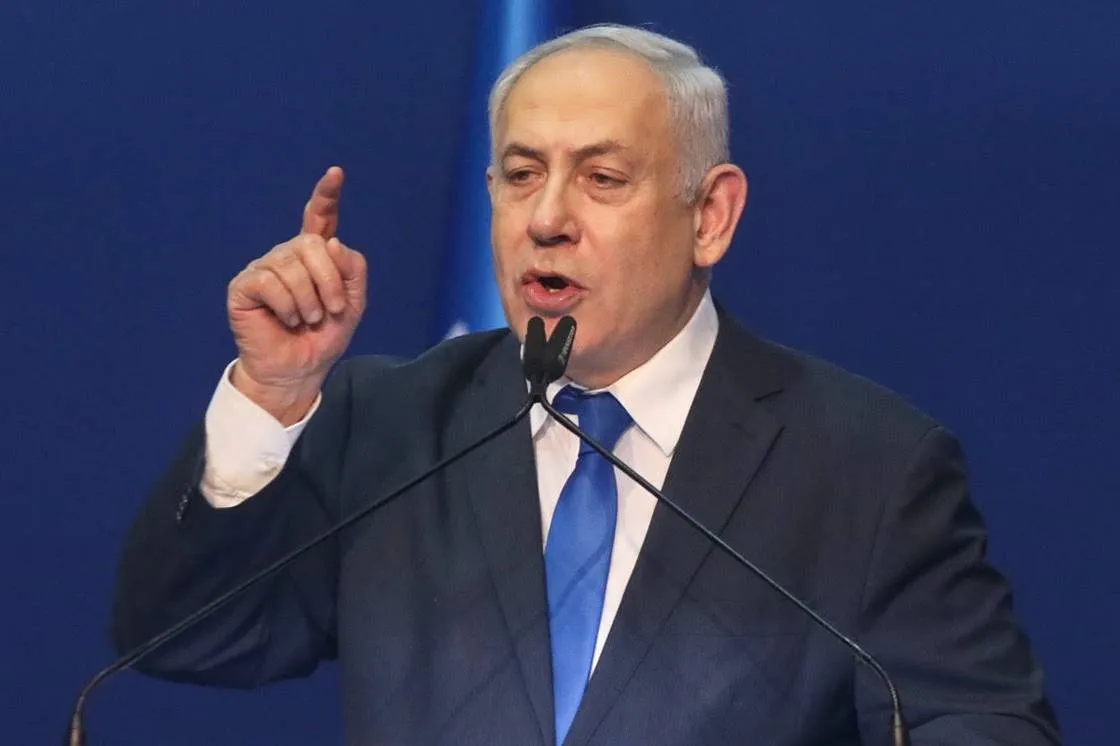
Israeli Prime Minister Benjamin Netanyahu has stated that Israel is prepared to resume fighting at any moment, emphasizing that the conflict against Iran has not yet come to an end. This announcement comes as the region experiences increasing tensions, despite discussions of a fragile ceasefire between Iran and the United States.
In a televised address, Netanyahu confirmed that what is happening is merely a phase in the pursuit of Israeli objectives, pointing out that Iran has become weaker as a result of Israeli military operations. He explained that Israel's non-intervention in the war would have allowed Iran to develop nuclear weapons, which has been thwarted thanks to military operations.
Event Details
Netanyahu's statements coincided with Foreign Minister Yair Lapid's skepticism regarding the prospects of the ceasefire between Tehran and Washington, as he pointed out that the main points of contention remain unchanged. At the same time, Israel's Ministry of Transportation announced the resumption of operations at Ben Gurion Airport following the declaration of a ceasefire between the United States and Iran.
The war between the United States and Iran has taken a new turn with the approval of a two-week ceasefire mediated by Pakistan, allowing for direct negotiations in Islamabad. However, hopes for peace were soon dashed as Israeli attacks on Lebanon continued, with reports of Iranian strikes targeting facilities in neighboring countries.
Background & Context
This development comes at a sensitive time as Iran seeks to strengthen its regional presence under military and economic pressure. Recent events have shown that Iran remains capable of carrying out military operations despite the pressure, further complicating the regional landscape.
Meanwhile, the United States continues to pressure Iran through sanctions, increasing tensions. US President Donald Trump has stated that the United States will work closely with Iran, reflecting a shift in US strategy towards Tehran.
Impact & Consequences
Netanyahu's statements serve as a warning that Israel will not hesitate to resume military operations if Iran's threats persist. This potential escalation reflects Israeli concerns that any agreement with Iran may give it an opportunity to regroup.
The ongoing tensions in the region are likely to affect regional security and may lead to a new military escalation if negotiations fail. Observers believe that the current situation puts the region on the brink of a new conflict with far-reaching consequences.
Regional Significance
This development directly affects Arab countries, as Iran remains a key player in regional conflicts. An escalation of military action may increase tensions in countries such as Iraq, Syria, and Lebanon, where Iranian-backed militias are present.
Any military escalation may also have economic repercussions on neighboring countries, particularly in light of the economic crises many of these countries are facing. Observers believe that regional stability depends heavily on the outcome of negotiations between the United States and Iran.
Conclusion: The situation in the region remains tense, with recent statements indicating that Israel will not hesitate to resume military operations if threats persist. However, hopes for peace depend on the success of ongoing negotiations.