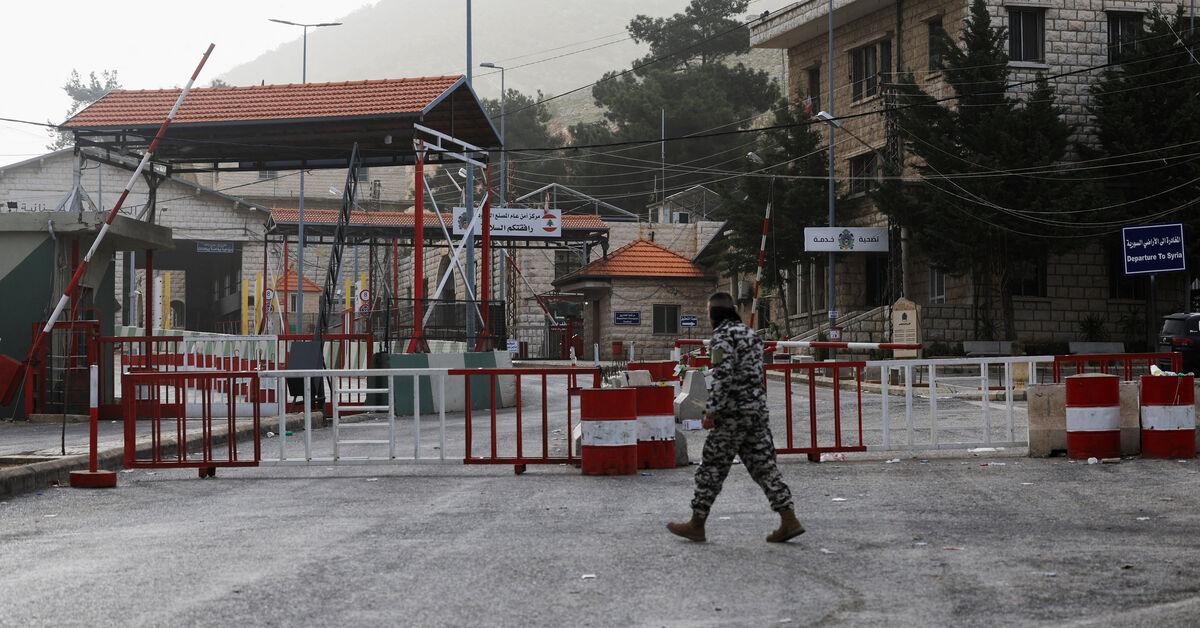
The Israeli army has refrained from conducting airstrikes on the Masnaa crossing, the main passage between Lebanon and Syria, following pressure from the United States to keep it open. This decision comes after previous warnings from the Israeli army regarding Hezbollah's use of the crossing for arms smuggling.
On April 4, the Israeli army issued a warning concerning the crossing, indicating that it would strike it "in the near future." These statements raised significant concern within political and security circles in Lebanon and Syria, as the crossing is considered a lifeline for many local residents.
Details of the Event
The Masnaa crossing is a vital transit point between Lebanon and Syria, utilized by many traders and citizens. As tensions in the region escalate, this crossing has become a focal point for Israeli forces, which accuse Hezbollah of using it to smuggle weapons and military equipment.
The American efforts that led to Israel's decision to refrain from strikes come at a sensitive time, as Washington seeks to maintain stability in the region. A Lebanese source indicated that there have been intensive communications between American officials and their counterparts in Lebanon and Syria to ensure that the situation does not escalate.
Background & Context
Historically, the Lebanese-Syrian border has witnessed ongoing tensions, particularly with the presence of Hezbollah, which is considered a terrorist organization by many countries. Since the outbreak of the Syrian conflict in 2011, military activities along the border have increased, exacerbating the humanitarian situation in the region.
The United States is a key ally of both Lebanon and Israel and has played an important role in mediating between the two sides during times of crisis. However, the pressure exerted by the United States on Israel to keep the crossing open reflects the complexities of relations in the region.
Impact & Consequences
Israel's avoidance of strikes on the crossing could have positive effects on the humanitarian situation in the region, as it will allow for the passage of essential supplies and humanitarian aid. However, the continued use of the crossing by Hezbollah for arms smuggling may lead to renewed escalation in the future.
This development indicates that tensions in the region remain high, and diplomatic solutions may be necessary to prevent further escalation. It is crucial for the concerned countries to closely monitor the situation to ensure that conditions do not worsen.
Regional Significance
Many Arab countries are affected by the tensions along the Lebanese-Syrian border, as any escalation could have repercussions on regional security. Additionally, the situation in Lebanon and Syria impacts relations between Arab states, reflecting the challenges faced by the region in terms of security and stability.
Ultimately, hope remains pinned on diplomatic efforts to resolve conflicts in the region, as stability in Lebanon and Syria is vital for regional security.