The incident of preventing the Latin Patriarch of Jerusalem, Cardinal Pierbattista Pizzaballa, from entering the Church of the Holy Sepulchre during Palm Sunday celebrations has triggered a wave of condemnation, leading Israeli Prime Minister Benjamin Netanyahu to make a swift retraction. However, as reported by Haaretz, this incident was not merely a fleeting security measure but reflects a broader pattern in Israel's treatment of Christians, particularly Catholics.
Tensions between the Israeli government and the Catholic Church are escalating due to the latter's critical stance on the war in Gaza and violence from settlers in the West Bank. Reports have documented Israel's targeting of churches in Gaza, including the only Catholic church, highlighting the increasing pressures on Catholics.
Details of the Incident
In a related context, the late Pope Francis faced repeated Israeli attacks due to his critical positions on the war, culminating after his death in the removal of official condolence posts and the absence of a senior official at his funeral. The Patriarch of Jerusalem himself has faced similar attacks, reflecting a pattern of increasing targeting of the Catholic Church.
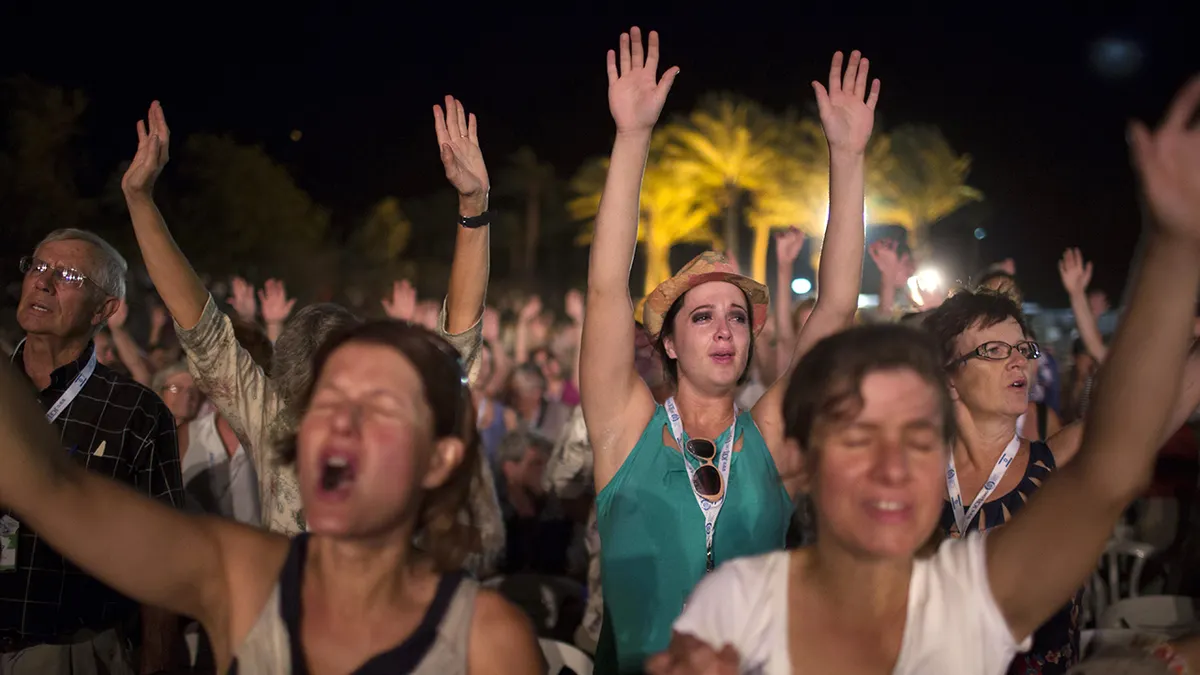
Despite these pressures, the newspaper indicates that the Israeli government and the settler right show a clear rapprochement with Evangelical Christians, especially in the United States, due to their alignment with the religious and political discourse of the Israeli right. This highlights the disparity in how the government interacts with different Christian denominations.
Background & Context
Historically, relations between Israel and Christians have been volatile, experiencing periods of cooperation and tension. With the escalation of the Israeli-Palestinian conflict, pressures on Christian denominations, particularly Catholicism, have intensified as they express critical views towards Israeli policies.
The Catholic Church is considered one of the oldest Christian institutions in the region, with a long history of interaction with local communities. However, the rise in violence and conflict in recent years has negatively impacted these relations, prompting many Catholics to express concern about their future in the region.
Impact & Consequences
The repercussions of these events extend beyond Israel, affecting relations between Christians and Muslims in the region. Additionally, tensions between the Israeli government and the Catholic Church could exacerbate conditions in the Palestinian territories, increasing sectarian divisions.
Moreover, the rapprochement with Evangelicals may bolster the position of the Israeli right, increasing pressures on Catholics and other Christians who disagree with government policies. This could lead to a worsening of humanitarian conditions in the region and complicate the Israeli-Palestinian conflict.
Regional Significance
These events are significant for the Arab world, reflecting tensions between different religious sects in the region. The pressures on Catholics may also impact relations between Christians and Muslims in Arab countries, heightening sectarian divisions.
Ultimately, it becomes clear that Israel, which promotes itself as the safest country for Christians in the Middle East, is dealing with these groups according to increasing political criteria, raising questions about the future of Christians in the region.