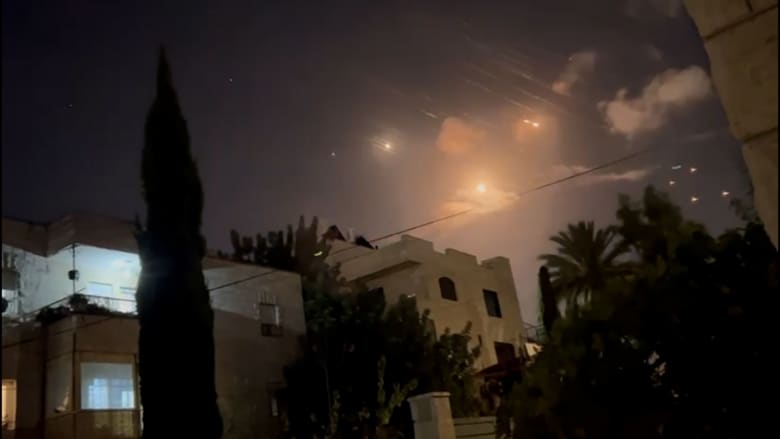
The Israeli military announced on Wednesday that it had conducted a military operation targeting two central sites for the production of naval missiles in the Iranian capital, Tehran. Military sources confirmed that these sites were operating under the supervision of the Iranian Ministry of Defense, reflecting an escalation in tensions between Israel and Iran.
These attacks come at a sensitive time, as concerns grow over Iran's development of its military capabilities, particularly in the field of naval missiles, which pose a threat to regional security. Reports have confirmed that the attacks targeted vital facilities, which could have significant impacts on Iran's military capabilities.
Details of the Operation
Israeli sources reported that the attacks were carried out using drones and precision-guided missiles, showcasing the technological advancements achieved by Israel in the fields of defense and offense. The targeted sites were identified based on accurate intelligence information, highlighting the importance of intelligence cooperation in executing such operations.
These attacks are part of Israel's broader strategy to counter Iranian threats, as Tel Aviv seeks to undermine Tehran's military capabilities before they develop to a level that poses a direct risk to its security. An Israeli military spokesperson indicated that these operations would continue as long as Iranian threats persisted.
Background & Context
Historically, relations between Israel and Iran have seen increasing tensions since the Iranian Revolution in 1979. Israel has viewed Iran as an existential threat, especially after Tehran developed its nuclear program and increased its support for armed groups in the region. In recent years, Israel has intensified its military operations against Iranian targets in Syria and Lebanon, reflecting its preemptive strategy.
Moreover, repeated Iranian statements about destroying Israel and threats against it have heightened tensions. These statements have elicited strong reactions from the Israeli government, which believes that any Iranian advancement in missile or nuclear technology must be urgently addressed.
Impact & Consequences
These attacks could lead to further escalation in the conflict between Israel and Iran, as Tehran is likely to respond with retaliatory operations. Analysts have warned that any military escalation could lead to a widespread conflict in the region, affecting security and stability in neighboring countries.
Furthermore, these developments could impact international relations, as major powers like the United States and Russia may intervene in an attempt to calm the situation. This could lead to changes in military and political strategies in the region, complicating the security landscape further.
Regional Significance
These events are particularly significant for Arab countries, as they may lead to increased tensions in the Middle East. Some Arab nations may feel concerned about the rising Iranian influence in the region, prompting them to strengthen their alliances with Israel or other powers to counter this threat.
Additionally, any military escalation between Israel and Iran could affect the regional economy, particularly in the fields of energy and trade. This could result in rising oil prices and increased economic tensions in the region, impacting the lives of Arab citizens.
In conclusion, developments in Israeli-Iranian relations remain a focal point of significant concern, as fears of military escalation that could reshape the region grow. The current situation requires careful monitoring by all parties involved to ensure that conditions do not escalate to uncontrollable levels.