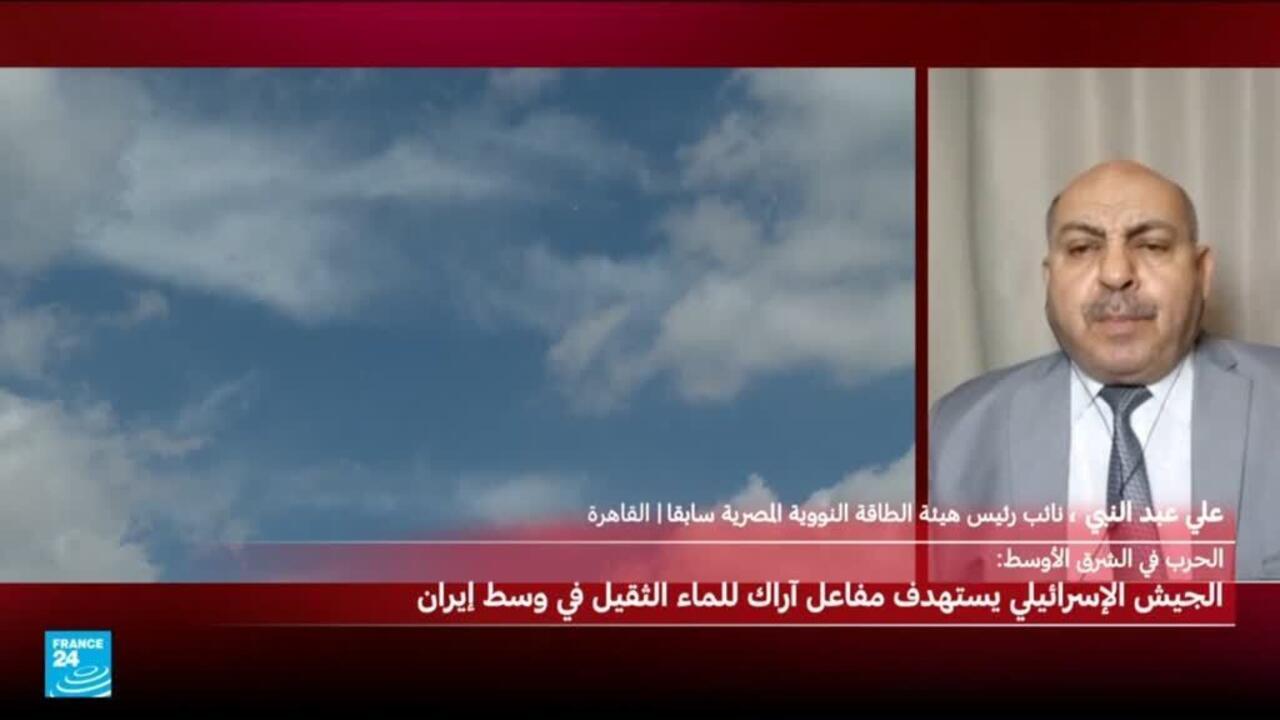
Israel has targeted a number of nuclear facilities today, raising questions about the strategic significance of these sites. This campaign comes at a sensitive time as tensions in the region escalate.
The targeted nuclear facilities are part of a sensitive infrastructure, playing a pivotal role in nuclear research and development. This attack reflects a long-standing Israeli strategy aimed at preventing any potential threats from countries it considers hostile, especially amid the tense situation in the Middle East.
Details of the Event
According to local sources, Israeli aircraft targeted several sites in the Middle East, believed to be linked to nuclear programs. The attacks followed a series of Israeli warnings that these programs could exacerbate security conditions in the region.
The targets included facilities allegedly working on developing nuclear technology, raising concerns about a nuclear arms race in the area. Reports have confirmed that the attacks resulted in significant damage, but no human casualties have been recorded so far.
Background & Context
Historically, Israel has been wary of nuclear programs in neighboring countries, particularly Iran. In recent years, Israeli fears have escalated that Iran may be close to developing a nuclear weapon, prompting Tel Aviv to take preemptive steps to ensure its national security.
This campaign is considered part of a broader strategy aimed at undermining the nuclear capabilities of countries it views as threats. The region has witnessed several similar attacks in recent years, reflecting the ongoing tensions between Israel and its neighbors.
Impact & Consequences
The attacks on nuclear facilities could lead to an escalation of tensions in the region, with targeted countries expected to respond strongly. This escalation may negatively impact regional security and increase the likelihood of new conflicts.
Additionally, this campaign could affect international relations, as major powers might intervene in the conflict, complicating the situation further. Major countries are expected to adopt varying positions, potentially leading to new divisions in the international community.
Regional Significance
These events serve as a wake-up call for Arab countries, as they may lead to a reassessment of their security strategies. Amid increasing tensions, some countries may seek to bolster their defensive capabilities, potentially leading to an arms race in the region.
Furthermore, these events may open the door for a new dialogue on nuclear security in the Middle East, as Arab nations may seek to establish mechanisms for cooperation and coordination to address common challenges.
In conclusion, the situation in the region remains unstable, and Israeli attacks on nuclear facilities are likely to remain a key focal point in regional and international politics. Concerned nations must take prudent steps to avoid escalation and ensure security and stability in the region.