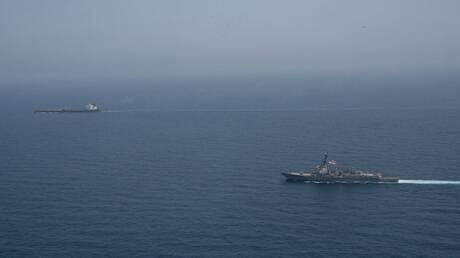
Israel has urged U.S. President Donald Trump not to ease the maritime blockade imposed on Iran, emphasizing its concerns that such a step could be seen as a concession at a sensitive time when relations between Washington and Tehran are increasingly tense.
Israel views the maritime blockade as a key tool for pressuring Iran, aimed at reducing its nuclear activities and curbing its support for armed groups in the region. Tel Aviv has expressed worries that any easing of this blockade could provide Iran with an opportunity to enhance its military capabilities.
Details of the Situation
In light of the tense circumstances, Israel has shown its willingness to cooperate with the United States to address the security challenges posed by Iran. Diplomatic sources have confirmed that Tel Aviv is seeking to influence Trump's policy towards Tehran, especially given the anticipated political changes in Washington.
Israeli concerns are growing that any concessions made to Iran could strengthen its position in negotiations, potentially threatening Israeli national security. Israeli officials have indicated that the maritime blockade must remain in effect as part of a comprehensive strategy to counter Iranian threats.
Background & Context
Historically, relations between Israel and Iran have been strained, with Israel considering Iran an existential threat. Since the Islamic Revolution in 1979, Iran has taken hostile stances towards Israel, leading to escalating tensions between the two countries. In recent years, Iranian military activities in the region have increased, prompting Israel to bolster its defensive capabilities.
In 2015, a nuclear agreement was reached between Iran and major powers, but the U.S. withdrawal from the agreement in 2018 brought the situation back to square one. Since then, relations between Iran and the United States have intensified, directly impacting regional security.
Impact & Consequences
If Trump responds to Israel's plea and decides not to ease the blockade, it could exacerbate tensions between the United States and Iran. On the other hand, there may be increased pressure on the Trump administration from other allies in the region seeking to improve relations with Iran.
This issue is pivotal in determining the future of U.S.-Iranian relations, as any change in blockade policy could affect stability in the Middle East. Furthermore, it could reflect on nuclear negotiations and complicate the political landscape in the region.
Regional Significance
This news is significant as it reflects ongoing tensions between the United States and Iran, showcasing how U.S. policies impact regional security. The maritime blockade is not just a tactical measure; it symbolizes broader geopolitical dynamics in the Middle East.
In conclusion, the situation remains fluid, and the decisions made by the U.S. administration will have lasting implications for both Israeli security and the broader regional balance of power.