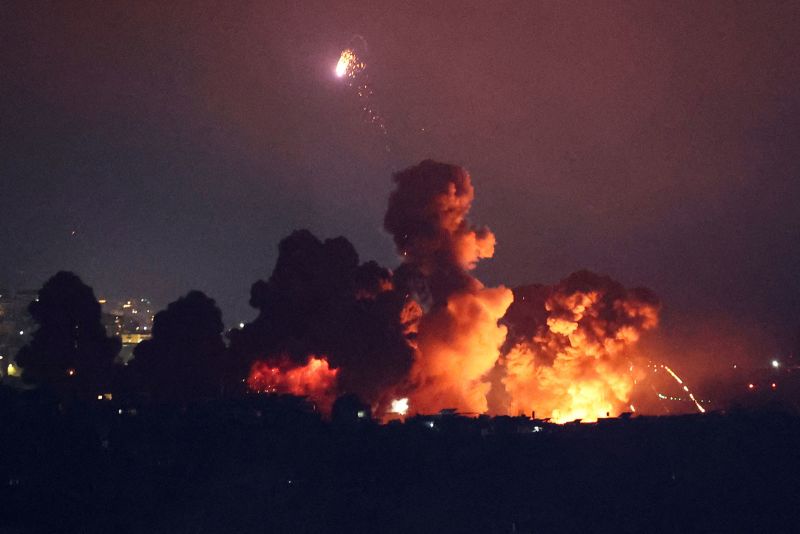
A Hebrew newspaper reported on Sunday that Israel has incurred costs of approximately $15 billion since the onset of its war against Iran and Lebanon. The newspaper predicts that these costs will increase in the coming period, given the ongoing fighting and its escalating economic repercussions.
The Kalkalist newspaper, which specializes in economic affairs, noted that the total cost of the ongoing war with Iran and Hezbollah in Lebanon has risen to around $47 billion. These figures reflect the significant impact of the conflict on the Israeli economy, which is facing multiple challenges under the current circumstances.
Details of the Conflict
Military operations between Israel and Iran, along with Hezbollah, continue to escalate, increasing financial pressures on the Israeli government. The high costs encompass military expenditures, compensation for victims, and the negative impact on the national economy. Simultaneously, reports indicate that the continuation of the conflict could exacerbate economic conditions in the region.
The direct costs of the war include military operational expenses, such as weapons and ammunition, as well as logistical support costs. Additionally, there are indirect effects, including a decline in foreign investments and a downturn in tourism, which further burden the Israeli economy.
Background & Context
Historically, relations between Israel and Iran have been marked by increasing tensions, particularly with the rise of Iranian military activities in the region. Hezbollah, backed by Iran, is considered one of the most significant threats to Israeli security, perpetuating the ongoing conflict between the two parties. This war is not the first of its kind; the region has witnessed previous conflicts that have resulted in substantial costs for all parties involved.
In recent years, tensions have escalated due to Israeli policies towards Iran, including attempts to prevent it from developing its nuclear program. These political and military dynamics contribute to the intensification of the conflict and worsen economic conditions in the region.
Impact & Consequences
The repercussions of the war extend beyond Israeli borders, affecting regional stability as a whole. Rising military costs may lead to reductions in budgets allocated for social services and economic development. Furthermore, the continuation of the conflict could contribute to increasing tensions among neighboring countries, threatening regional security.
Moreover, these conditions may exacerbate humanitarian crises in Lebanon and Syria, where populations suffer from the ongoing conflict's repercussions. The economic impact of the war could negatively affect citizens' lives, increasing their daily hardships.
Regional Significance
This war is part of the broader conflict in the Middle East, which encompasses complex issues related to sovereignty and security. Neighboring Arab countries are closely monitoring the developments of the conflict, as these events may impact their internal stability. Additionally, the economic crises resulting from the conflict could lead to new waves of refugees, increasing the burdens on host countries.
Ultimately, the importance of diplomatic dialogue emerges as a means to resolve conflicts in the region, as the continuation of hostilities will only lead to further suffering and exorbitant costs. All parties involved should strive to find peaceful solutions that ensure security and stability for everyone.