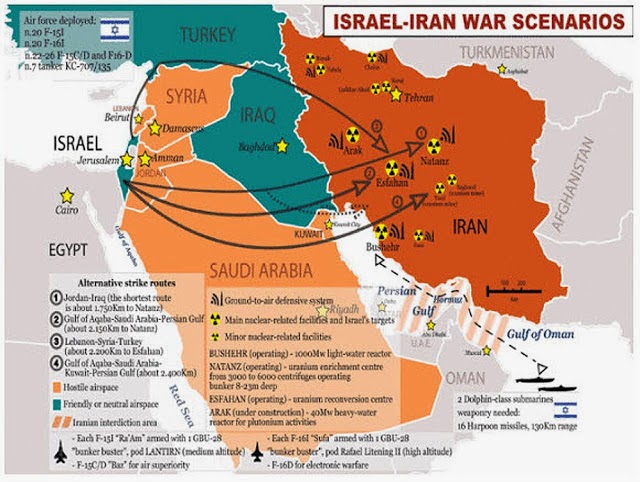
As tensions rise in the Middle East, Israeli authorities have cautioned Iranian citizens against traveling by train due to increasing fears of a potential military escalation. These warnings come at a sensitive time, as negotiations in Pakistan continue to reach a ceasefire agreement between the conflicting parties. The Iranian ambassador in Pakistan confirmed that the negotiations have reached a "critical stage," reflecting the importance of these talks in calming the tense situation.
These developments follow new threats from U.S. President Donald Trump, who warned of destroying Iran's critical infrastructure if hostile activities do not cease. These statements reflect an escalation in the American tone towards Iran, further intensifying regional tensions.
Details of the Situation
In remarks made by the Iranian ambassador, he indicated that the ongoing negotiations in Pakistan may be approaching tangible progress, which could help alleviate tensions between Iran and Western nations. However, the Israeli warnings suggest that the situation remains fragile, and any military escalation could have serious repercussions for regional security.
These warnings are part of a broader Israeli strategy aimed at preventing any military escalation by Iran. Israeli authorities have issued similar warnings in the past, reflecting ongoing concerns about Iranian activities in the region.
Background & Context
Historically, relations between Iran and Israel have been marked by increasing tensions, especially following the Iranian Revolution in 1979. Since then, Iran and Israel have become major adversaries in the Middle East, with Israel accusing Iran of supporting armed groups that threaten its security. Additionally, Iran's nuclear program remains a key point of contention between the two, as Israel fears that Iran may seek to acquire nuclear weapons.
In recent years, tensions have notably escalated, particularly following the U.S. withdrawal from the Iranian nuclear deal in 2018. This withdrawal led to the reimposition of American sanctions on Iran, exacerbating the country's economic and political crises.
Impact & Consequences
The Israeli warnings and American threats could escalate the situation in the region, increasing the likelihood of military conflict. If negotiations in Pakistan fail, the situation may tilt towards military escalation, significantly affecting both regional and global security.
Moreover, any military escalation could lead to significant economic repercussions, as oil prices and financial markets could be severely impacted. The conflict may also result in a refugee influx into neighboring countries, increasing pressure on regional governments.
Regional Significance
This situation highlights the increasing tensions in the Middle East and their implications for regional and international security. The ongoing negotiations in Pakistan are crucial, as they may determine the future stability of the region.
In conclusion, the developments surrounding the Israeli warnings and U.S. threats underscore the precarious nature of the situation, emphasizing the need for diplomatic efforts to prevent further escalation.