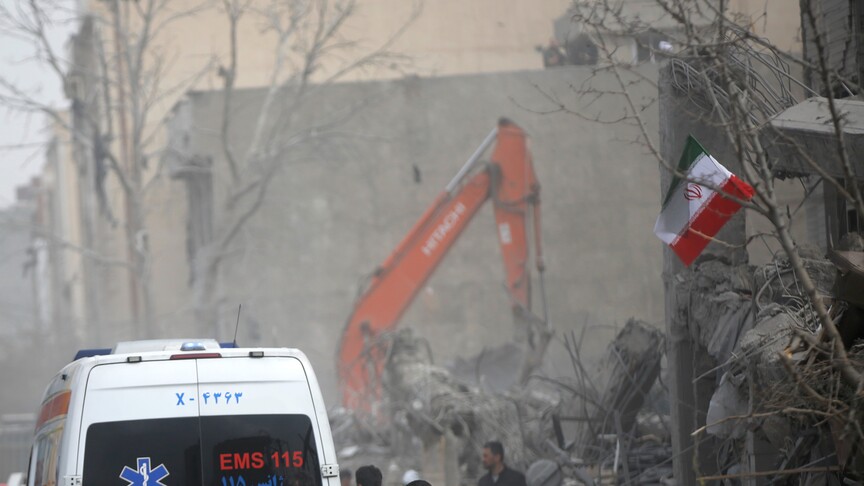
Joint airstrikes by the United States and Israel have resulted in the deaths of 18 people in residential areas of Alborz province in northern Iran. The attacks, which targeted civilian areas, have raised international concerns regarding the escalating tensions in the region.
Media reports indicate that the strikes targeted several sites within the province, leading to widespread destruction of infrastructure and homes. These events come at a sensitive time as fears of a larger military escalation in the region are increasing.
Details of the Airstrikes
According to local sources, the attacks occurred late at night while many families were asleep. Eyewitness accounts from survivors describe horrific scenes of destruction and panic that engulfed the area following the strikes. Numerous injuries among civilians have also been reported, complicating the humanitarian situation in the region.
These airstrikes are part of the pressure policy pursued by the United States and Israel against Iran, which is accused of supporting armed groups in the region and developing its nuclear programs. This escalation places the region on the brink of a new crisis that could have far-reaching consequences.
Background & Context
Historically, relations between Iran and the United States have seen increasing tensions since the Islamic Revolution in 1979. Economic sanctions and military blockades have been prominent tools of pressure used by Washington against Tehran. In recent years, these tensions have escalated with the rise of Iranian military activities in the region, prompting Israel to take preemptive steps to ensure its security.
In recent years, the region has witnessed an escalation in reciprocal attacks between Iran and Israel, with the latter targeting Iranian sites in Syria and Lebanon. These dynamics make it difficult to predict the future of relations in the region, as fears of an all-out conflict are growing.
Impact & Consequences
The consequences of these airstrikes could be severe, as they may provoke military responses from Iran, further heightening tensions in the region. Additionally, these events could impact international relations, as some countries seek to mediate the conflict.
Analysis suggests that these airstrikes could lead to greater military escalation, as Iran may seek to bolster its defensive capabilities and respond to the attacks. This escalation could affect the stability of the entire region and increase the humanitarian burdens on civilians.
Regional Significance
These airstrikes highlight the rising military tensions in the Middle East and their impact on regional security. The situation underscores the urgent need for dialogue among countries in the region to prevent further escalation and conflict.
In conclusion, the joint airstrikes by the United States and Israel not only claim lives but also threaten to destabilize the already fragile security landscape of the Middle East, necessitating immediate international attention and intervention.