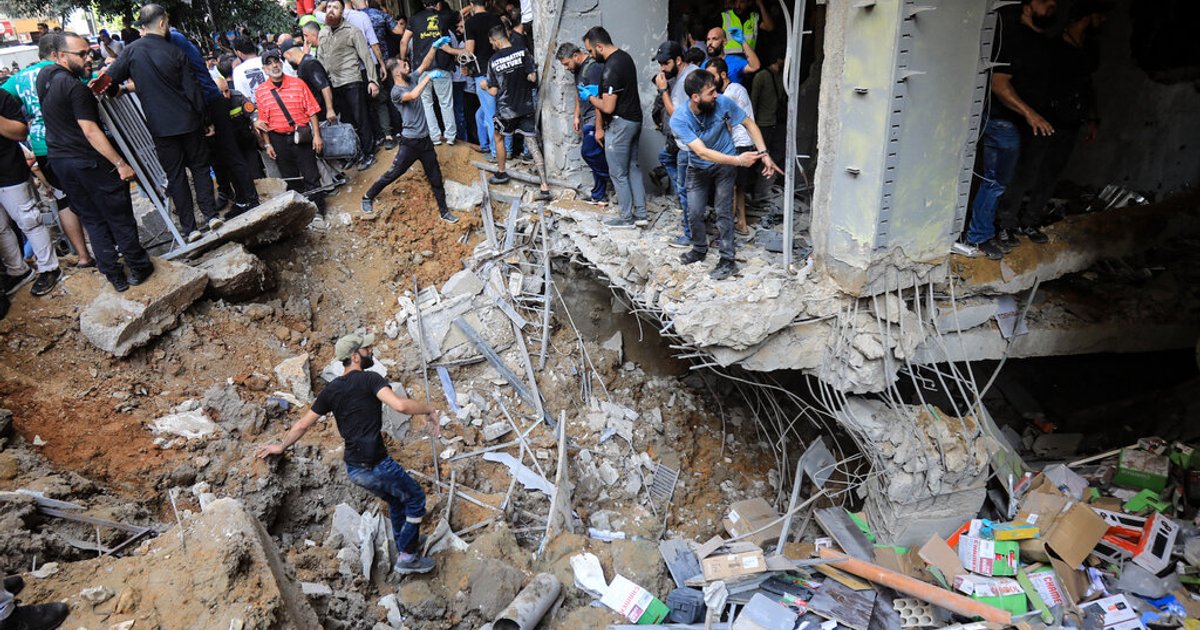
An Israeli airstrike on the Lebanese capital, Beirut, has resulted in the deaths of four civilians, marking a new escalation in regional tensions. The attack comes at a sensitive time, raising concerns over increasing violence in Lebanon.
The airstrike targeted a residential area, causing widespread destruction of property. Local sources confirmed that the victims were civilians, heightening international concerns regarding the humanitarian situation in the country.
Details of the Incident
According to eyewitnesses, the strike occurred late at night while families were asleep. Rescue teams rushed to the site of the attack, working to retrieve victims from the rubble. The Lebanese authorities condemned the attack, deeming it a blatant violation of Lebanese sovereignty.
The Lebanese Foreign Ministry issued an official statement emphasizing the need to hold those responsible for this crime accountable. Many activists have called for protests against the repeated Israeli assaults.
Background & Context
Historically, Lebanon has witnessed numerous Israeli attacks, particularly during periods of political tension. Relations between Lebanon and Israel have been strained for decades, with multiple conflicts, the most recent being the 2006 war. This airstrike comes at a time of escalating regional tensions, particularly following recent events in Palestine.
These events coincide with the economic and political crises that Lebanon is experiencing, complicating the internal situation. The Lebanese government faces significant challenges in managing multiple crises, including economic collapse and public protests.
Impact & Consequences
The recent Israeli attack may lead to an escalation of violence in Lebanon, as armed factions are expected to respond to these assaults. This escalation could threaten the fragile stability in the country and increase the suffering of civilians already enduring economic hardships.
Furthermore, this attack may affect Lebanese-Israeli relations, as the Lebanese government might call for international action against Israel. The international community is closely monitoring the situation, with growing concerns about the potential for further unrest in the region.
Regional Significance
This airstrike is part of a series of events that could impact stability in the Arab region. Military escalation in Lebanon may have repercussions on conditions in neighboring countries, especially amid rising tensions between Israel and Palestinian factions.
Any escalation in Lebanon could lead to a flow of refugees into neighboring countries, increasing the burdens on these nations. Additionally, the situation in Lebanon may affect peace efforts in the region, as the international community seeks to find peaceful solutions to ongoing conflicts.
In conclusion, the situation in Lebanon remains complex and requires urgent international intervention to ensure the protection of civilians and achieve stability in the region.