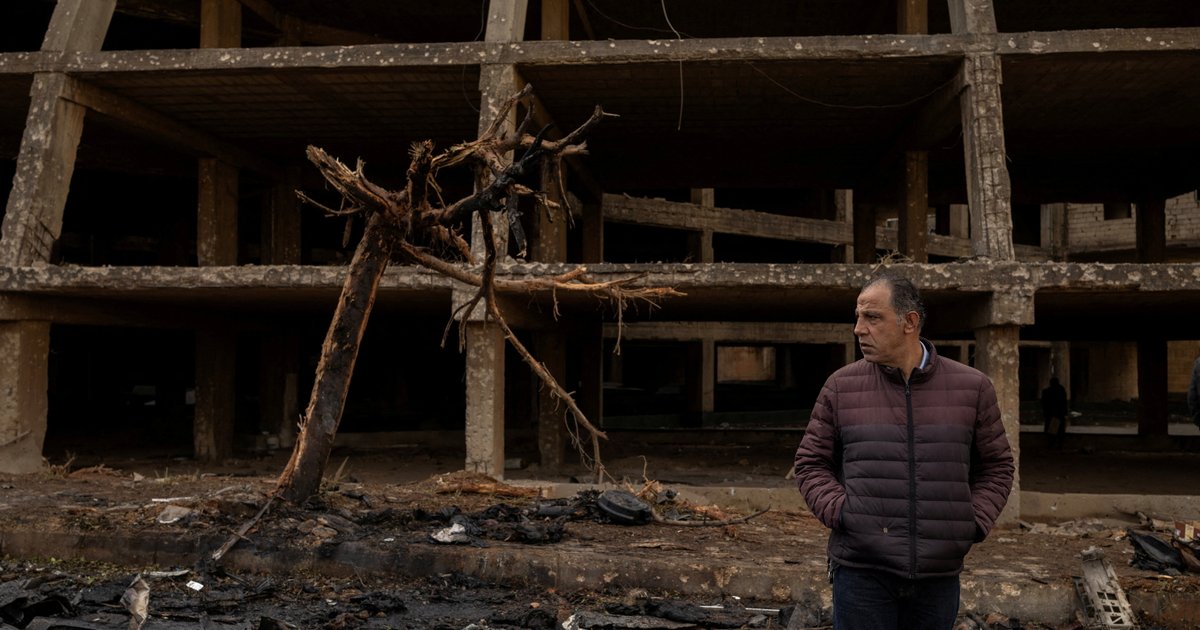
An Israeli airstrike has resulted in the deaths of four members of a single family, including a husband, wife, and their two daughters, in the town of Houmine Al-Tahta in southern Lebanon. According to the National News Agency of Lebanon, the attack occurred late at night, heightening military tensions in the area.
This airstrike is part of an ongoing Israeli military escalation, with Israeli forces launching military operations in wide areas of southern Lebanon. Reports have also indicated other airstrikes in areas of South Beirut, resulting in the deaths of at least seven people, indicating a rise in violence in the country.
Details of the Incident
The attack targeting the family in Houmine Al-Tahta is part of a series of recent airstrikes conducted by Israel. Reports indicate that the victims were in their home when they were attacked, highlighting the risks faced by civilians in conflict zones.
Earlier today, the National News Agency of Lebanon reported another attack targeting a motorcycle in the Al-Mansouri area, resulting in the deaths of two individuals. These events occur amid ongoing escalation by Israel, raising concerns about the humanitarian situation in Lebanon.
Background & Context
Historically, the relationship between Lebanon and Israel has been marked by ongoing tensions, particularly following the multiple wars that have occurred in the region. Since 2006, when the Second Lebanon War broke out, skirmishes between the two sides have not ceased, leading to a deterioration of security conditions in the area.
Israeli airstrikes are considered part of a broader strategy aimed at countering what Israel perceives as threats from armed groups in Lebanon, including Hezbollah. However, these military operations often result in civilian casualties, drawing widespread criticism from human rights organizations.
Impact & Consequences
These airstrikes underscore the rising violence in the region, threatening stability in Lebanon and exacerbating the suffering of civilians. The continuation of these military operations could further worsen the humanitarian situation, as Lebanon is already grappling with severe economic and political crises.
These events are expected to impact relations between Lebanon and Israel and may prompt international parties to intervene to calm the situation. Additionally, the military escalation could provoke reactions from armed groups in Lebanon, increasing the likelihood of a broader conflict in the region.
Regional Significance
The events in Lebanon are part of a broader context of tensions in the Middle East, where regional and international interests intersect. The escalation of violence in Lebanon could affect the stability of neighboring countries and intensify humanitarian crises in the region.
Moreover, these events raise concerns among Arab nations, which seek to achieve stability in the area. The ongoing violence could impact peace efforts and complicate the political situation in the Middle East.