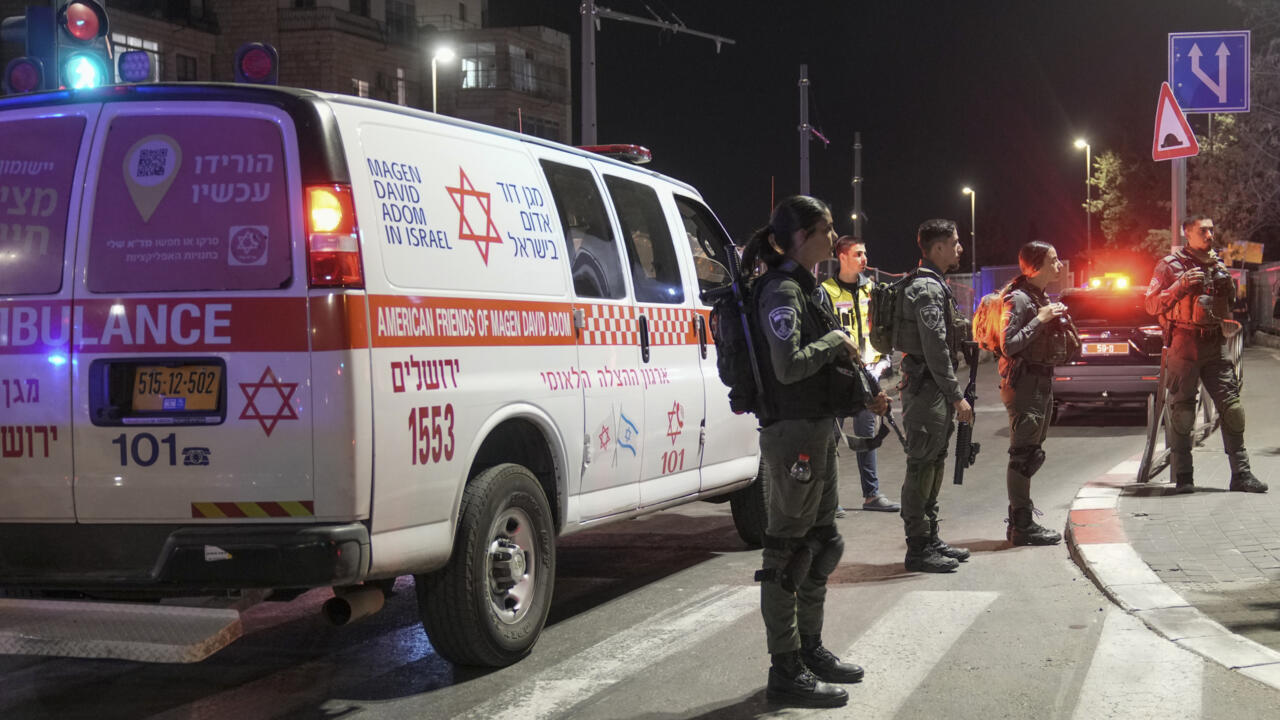
An Israeli airstrike on a house in the town of Salha in the Tyre district of southern Lebanon has resulted in the martyrdom of four individuals and injuries to four others. The attack took place late last night, with Israeli warplanes targeting a residence in the area, leading to significant destruction of the surrounding buildings.
This airstrike is seen as part of the ongoing escalation between Israel and Hezbollah, as the region has recently witnessed increasing tensions. Local sources reported that the strike targeted a house believed to belong to a Hezbollah member, provoking angry reactions from local residents.
Details of the Incident
According to medical sources, the injured were transported to nearby hospitals for treatment, where their conditions were described as stable. Photos circulated on social media showcased the extent of the destruction inflicted on the house, with shattered windows and collapsed walls.
This attack comes in the context of escalating Israeli military operations in Lebanon, with airstrikes increasing in frequency over recent months. Observers have noted that these airstrikes aim to target Hezbollah's military infrastructure, which the Israeli occupation considers a major threat to its security.
Background & Context
The roots of the conflict between Israel and Hezbollah date back decades, with the region having witnessed several wars and conflicts. In 2006, a devastating war broke out between the two sides, resulting in the deaths of thousands and widespread destruction in Lebanon. Since then, tensions have persisted, with exchanges of attacks and threats.
In recent years, tensions have notably increased, particularly with the rise of Israeli military activities in Syria and Lebanon. Additionally, the complex regional situation, including conflicts in Syria and Iraq, has contributed to heightened tensions in the area.
Impact & Consequences
This airstrike represents a serious escalation in the ongoing conflict, as it may provoke retaliatory actions from Hezbollah, which could conduct operations against Israeli targets. Furthermore, this escalation may contribute to increased tensions in the region, potentially affecting stability in Lebanon and neighboring countries.
On the other hand, these events may lead to new international interventions, as some countries may seek to mediate to calm the situation. However, given the political and military complexities, the effectiveness of such efforts remains in question.
Regional Significance
The events in Lebanon are part of the larger picture of the Arab-Israeli conflict, affecting relations between Arab countries and Israel. Additionally, the escalation in Lebanon may have negative repercussions on security in neighboring countries, such as Syria and Palestine.
At the same time, these events could lead to increased popular support for Hezbollah in Lebanon, as many view it as a symbol of resistance against Israeli occupation. This support may strengthen the party's position in the Lebanese political arena, further complicating the political landscape in the country.
In conclusion, the situation in Lebanon remains tense, with the possibility of further escalation in the conflict. The current situation requires close monitoring by the international community, as any escalation could have serious repercussions on security and stability in the region.