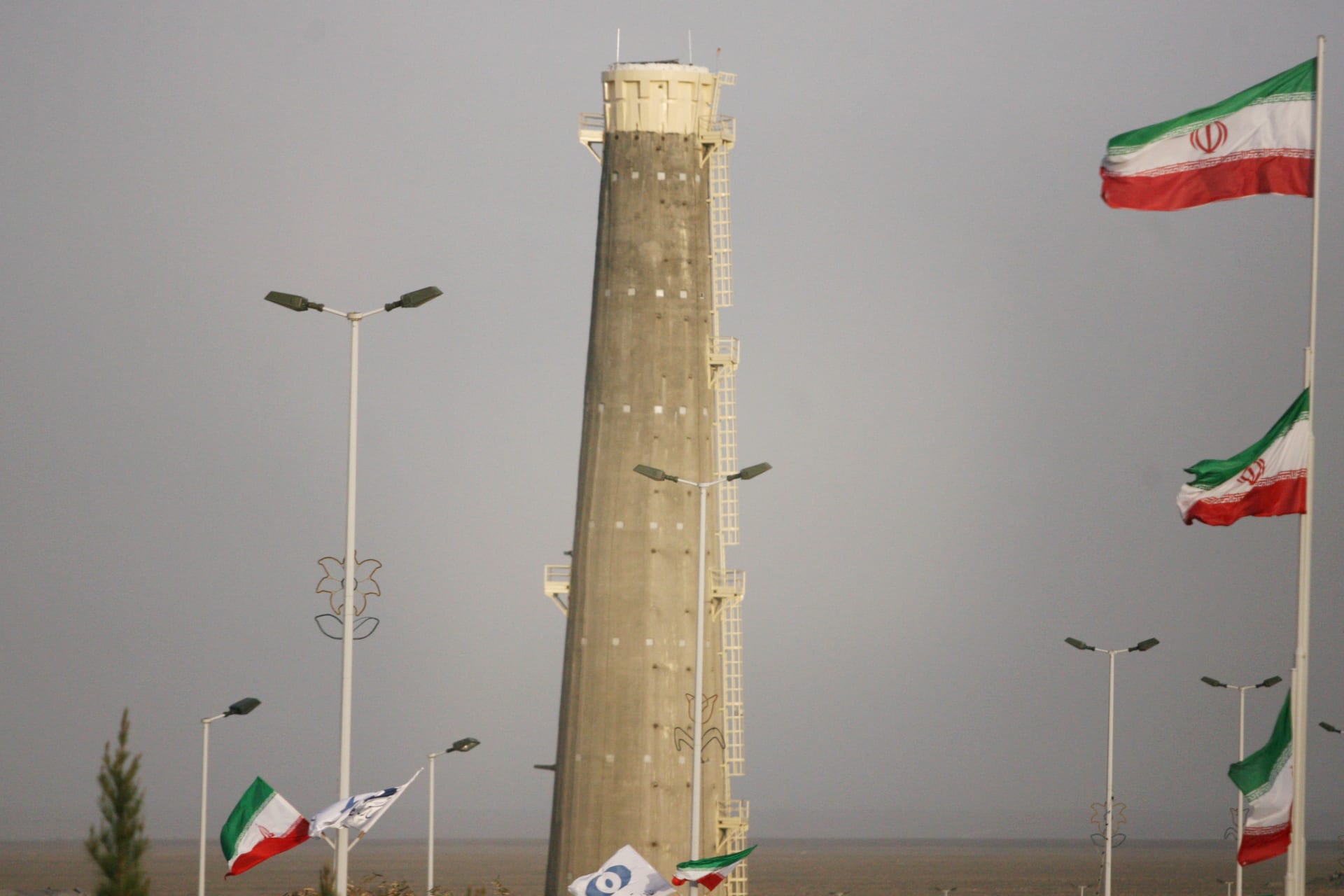
On Saturday, the Israeli military announced that it had struck a university facility located in the Iranian capital, Tehran, claiming it is being used as a "strategic research and development" site related to the production of components for nuclear weapons. This statement highlights the escalating tensions in the region and Israel's efforts to prevent Iran from developing nuclear capabilities, which Tel Aviv sees as an existential threat.
Details about the targeted facility remain unclear, but Israeli sources suggest it is affiliated with a Persian university and focuses on research that could contribute to the development of a nuclear program. This airstrike follows increasing reports that Iran is seeking to accelerate its nuclear program, raising international concerns about its potential military intentions.
It is noteworthy that this airstrike comes amid a series of attacks by Israel against Iranian targets, both within Iran and in neighboring countries, where Tel Aviv considers the Iranian nuclear program a threat to its national security. Israel, regarded as the only nuclear power in the region, has a policy of not accepting a long-term balance of nuclear capabilities with Iran, making it a key player in the regional security landscape.
Furthermore, observers indicate that this attack may carry wider implications for the entire region. The current escalation could provoke a reaction from Iran, either through increased nuclear program development activities or through military responses in other parts of the Middle East. It may also enhance the presence of international forces in the region, thereby heightening tensions.
The recent events in Tehran carry serious implications, especially amid ongoing international negotiations regarding the Iranian nuclear agreement, which has been at the center of political and security conflicts for years. Israel has expressed strong opposition to this agreement, considering it insufficient to prevent Iran from further nuclear challenges.
Regionally, the Israeli airstrike could influence the dynamics of power relations between Arab countries and Iran, particularly as tensions rise between Tehran and Gulf states. Many countries in the region are closely monitoring the situation while striving to limit Iranian influence in various conflicts, including those in Syria and Iraq.
The actions taken by Israel in this context demonstrate its determination to confront the Iranian presence in the region, while also indicating a high level of preparedness through preemptive military operations that it deems necessary to ensure its national security. This escalation could lead to a quicker pace in executing similar operations in the future against targets it believes pose a direct threat.
In a comprehensive view, the recent airstrike underscores the importance of maintaining stability in regional relations and reflects growing concerns over nuclear activities on the territories of neighboring countries. Therefore, it seems that the security situation in the Middle East will remain tense in the near future, with ongoing exchanges of military operations and sharp statements among the involved parties.