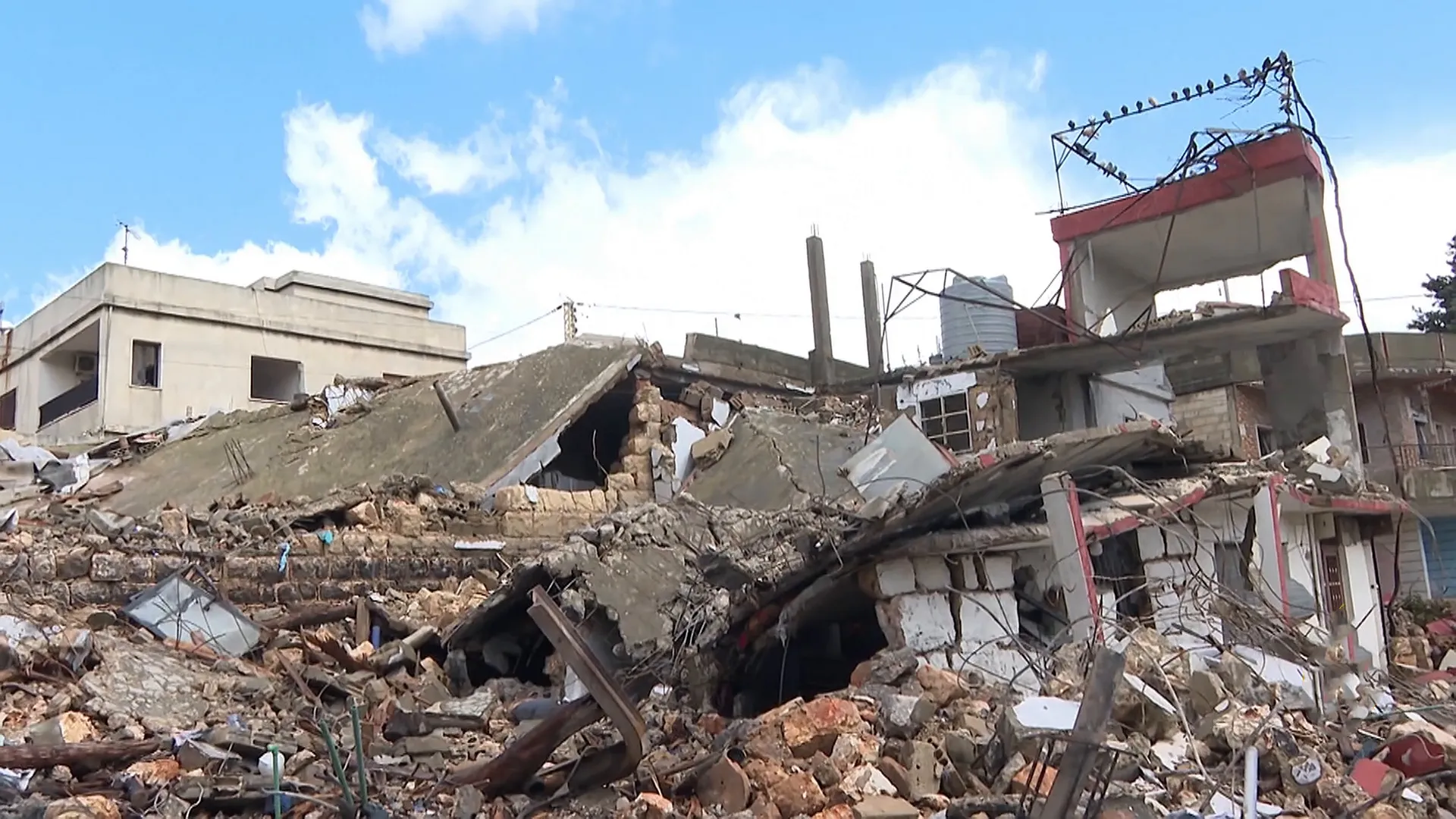
Israeli airstrikes on Lebanon continue, exacerbating humanitarian conditions in many areas, especially in the south and east. The relentless shelling has caused extensive destruction and hundreds of casualties, forcing thousands of residents to flee their towns.
Al Jazeera correspondent Katherine Hanna reported on the field and humanitarian situation in several towns in the Beqaa Valley, where she painted a heartbreaking picture of the suffering of residents who have lost their homes and loved ones. The situation in these areas worsens with each strike, as families face severe shortages of food, water, and healthcare.
Details of the Incident
Reports indicate that Israeli airstrikes have targeted residential areas, schools, and vital facilities, leading to significant destruction of infrastructure. Local sources confirmed that many towns, such as Hermel and Baalbek, have witnessed total devastation, with residents completely evacuated from some regions.
The number of civilian casualties is rising, with reports of hundreds of dead and injured, raising concerns about the deteriorating humanitarian situation. Local and international humanitarian organizations are warning of an impending humanitarian disaster, as the current situation requires urgent intervention to provide necessary assistance.
Background & Context
This escalation comes amid increasing tensions between Israel and Hezbollah, with the region experiencing military escalation for weeks. Historically, the Lebanese-Israeli border has been a battleground, but the current situation appears more perilous, involving multiple political and military factors.
International pressure on Israel to halt the airstrikes is mounting, but the Israeli government insists on the necessity of protecting its national security, making it difficult to reach a swift resolution. Simultaneously, Lebanon is grappling with a crippling economic crisis, further complicating the humanitarian conditions in the country.
Impact & Consequences
The military escalation has far-reaching implications for stability in Lebanon and the region. The mass displacement of residents could exacerbate humanitarian crises, increasing pressure on an already weak Lebanese government. Moreover, the deteriorating conditions may contribute to rising sectarian and political tensions within the country.
Regionally, these events could lead to greater escalation in the conflict between Israel and Hezbollah, threatening the stability of neighboring countries and complicating the situation in the Middle East. Israeli military actions may provoke reactions from other countries in the region, heightening tensions.
Regional Significance
The events in Lebanon reflect the instability faced by many Arab countries. Armed conflicts and humanitarian crises are on the rise in the region, raising concerns about the future of Arab peoples. Additionally, the situation in Lebanon may affect relations between Arab countries and Israel, as calls for solidarity with Lebanon against Israeli aggression increase.
In conclusion, the situation in Lebanon remains tense, with ongoing humanitarian and political pressures. The international community is urged to take urgent action to protect civilians and provide necessary assistance, amid growing fears of worsening humanitarian conditions.