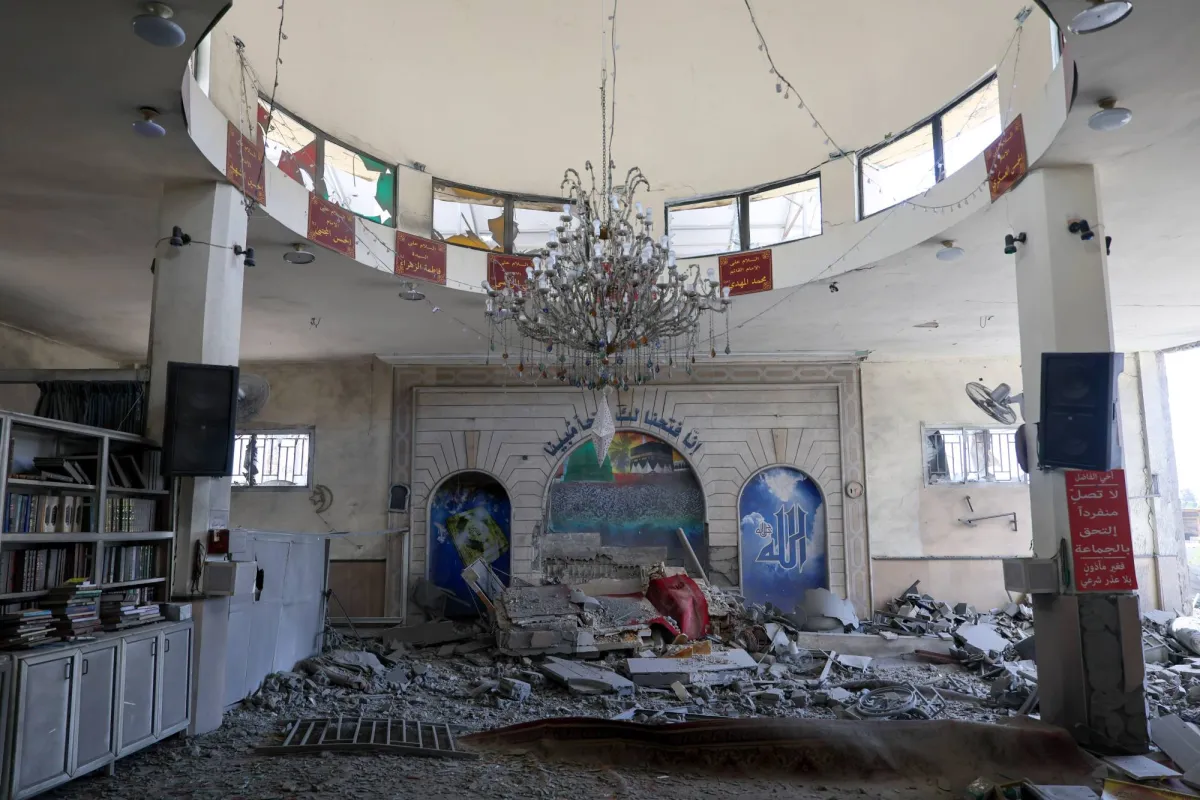
Israeli airstrikes continue in southern Lebanon, where drones have launched attacks on several areas, resulting in casualties. This escalation is part of Israel's military strategy to exert pressure and assert control over strategic heights.
In recent hours, the scope of Israeli airstrikes has expanded to include areas such as Nabatieh and Harouf, in addition to artillery shelling that has hit the outskirts of Al-Mansouri and the Al-Mashaa neighborhood. One of the strikes resulted in the death of a young man, Ali Kahi, and injured two others in Nabatieh.
Details of the Incident
The Israeli drones targeted a pickup truck in the Nabatieh market and also struck a motorcycle on the Deir Qanoun - Burj Rahal road. In a tragic incident, ambulance teams from the Al-Risalah association were bombed while attempting to transport the injured, leading to the deaths of six people, including two paramedics and three Syrians.
The town of Hadatha has emerged as one of the hot spots, with estimates suggesting that the Israeli focus on it is due to its military significance and geographical location. Its elevation allows for fire control over surrounding areas, making it a strategic point in the conflict.
Background & Context
Historically, the Hadatha area has served as a launch point for Israeli military operations, witnessing multiple attempts to gain control over it. Retired Brigadier General Bassam Yassin explains that controlling the heights enhances surveillance and fire oversight capabilities, making it of high strategic value.
These developments coincide with military escalation in the West Bank, where major European countries have called for a halt to Israeli settlement expansion. This comes at a time when international pressure on Israel regarding its policies in the occupied territories is increasing.
Impact & Consequences
These airstrikes underscore the rising tensions in the region, which may provoke reactions from Hezbollah or other Palestinian factions. Additionally, targeting civilians and ambulance teams raises international concerns regarding human rights violations.
The Israeli military movements indicate a strategy aimed at enhancing control over border areas, which could lead to further escalation in the conflict. This escalation may negatively impact regional stability and heighten tensions between Lebanon and Israel.
Regional Significance
The repercussions of this escalation extend beyond Lebanese borders, raising concerns in neighboring Arab countries. The continuation of Israeli military operations could exacerbate humanitarian crises and increase the suffering of civilians in the affected areas.
Moreover, these events may affect relations between Arab countries and Israel, especially amid growing international pressure on Israel to halt its violations. The military escalation could lead to a reassessment of Arab countries' strategies regarding the Palestinian issue.
In conclusion, the situation in southern Lebanon remains tense and requires close monitoring by the international community to prevent worsening humanitarian and security conditions.