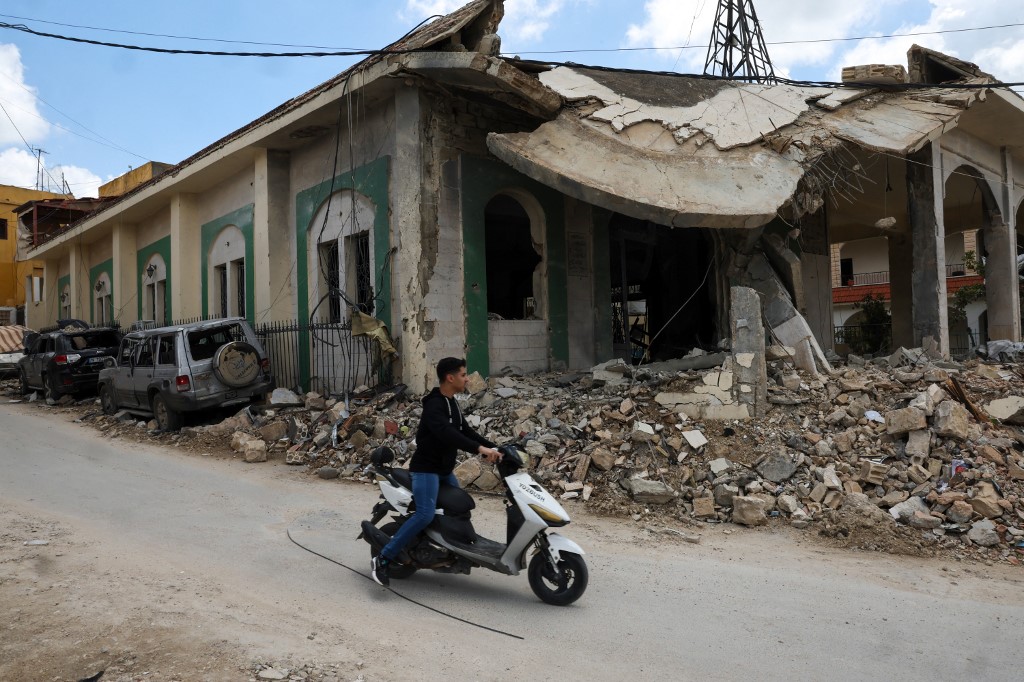
The Lebanese Ministry of Health reported that Israeli airstrikes targeted areas in southern Lebanon on Sunday, resulting in the deaths of 14 people, including two women and two children, and injuring 37 others. These attacks come at a sensitive time as the ceasefire between Israel and Hezbollah has been extended, raising concerns about the effectiveness of this ceasefire in safeguarding civilians.
In an official statement, the ministry confirmed that the victims were from various regions in the south, where the airstrikes continued despite international calls for a cessation of hostilities. These events highlight the ongoing tensions in the region, which require an urgent response from the international community.
Details of the Airstrikes
The Israeli airstrikes on southern Lebanon resumed at a time when tensions were already high, with the border between Lebanon and Israel witnessing an escalation in military actions. The recent airstrikes occurred just days after a ceasefire was announced through international mediation, raising concerns about the stability of the situation in the region.
The victims of these airstrikes represent a portion of the civilians suffering from the ongoing conflict. The Lebanese Ministry of Health confirmed that efforts are underway to provide assistance to the injured, as the need for humanitarian support in the affected areas continues to grow.
Background & Context
The history of the conflict between Lebanon and Israel spans decades, with the region experiencing numerous wars and conflicts. The latest conflict began amid escalating tensions between Hezbollah and Israel, with both sides exchanging accusations of inciting violence. The recently announced ceasefire aimed to calm the situation, but recent events indicate that tensions remain high.
Many international organizations, including the United Nations, have called for respect for the ceasefire and avoidance of escalation. However, the recent Israeli airstrikes reflect the ongoing instability in the region, exacerbating the suffering of civilians.
Impact & Consequences
The impact of these airstrikes on the humanitarian situation in Lebanon will be profound, as many residents are already suffering from shortages of basic resources due to the ongoing conflict. The military escalation may worsen the humanitarian conditions, necessitating an urgent response from the international community.
Additionally, these events may affect relations between Lebanon and neighboring countries, as fears grow of the conflict escalating to new levels. Political analysis suggests that the continuation of airstrikes could provoke reactions from Hezbollah, further complicating the situation in the region.
Regional Significance
These events shine a light on the persistent tensions in the Middle East and their impact on civilians, highlighting the need for international attention. The ongoing conflict poses a significant threat to regional stability, with potential repercussions that could extend beyond Lebanon and Israel.
In conclusion, the situation remains precarious, and the international community must take decisive action to address the humanitarian crisis and work towards a lasting resolution to the conflict.