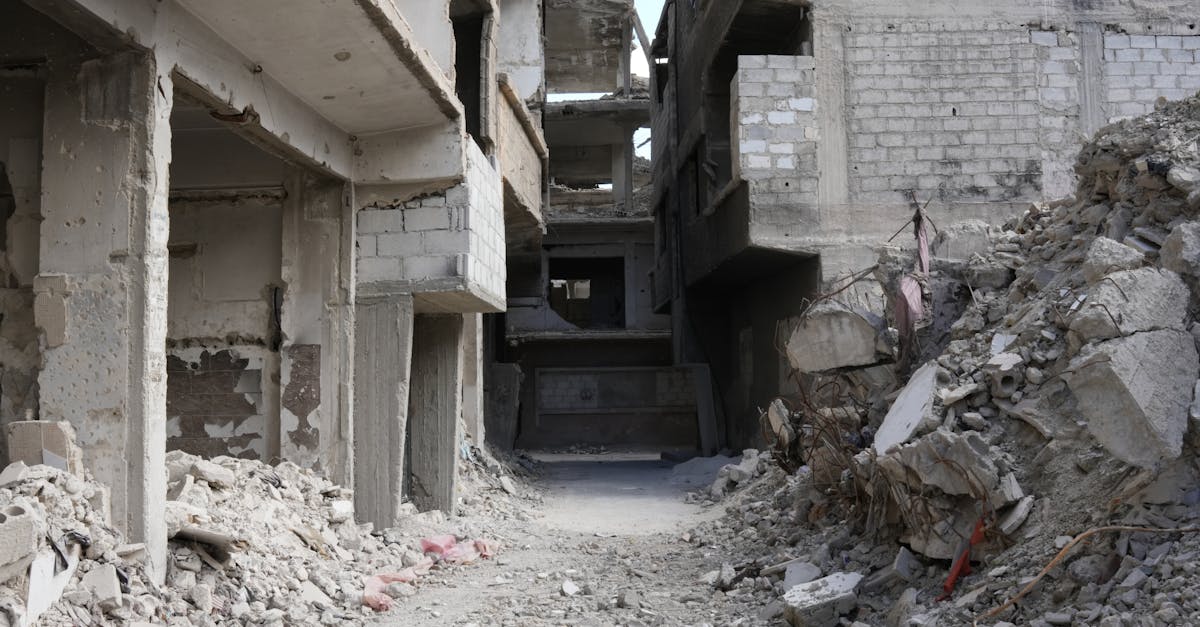
Israeli airstrikes on several towns in southern Lebanon on Sunday resulted in the deaths of 14 people and injuries to 37 others. These attacks occur amid rising tensions in the region, as Israeli forces continue their military operations in various areas of Lebanon.
These airstrikes coincide with escalating tensions between Israel and Hezbollah, with recent exchanges of fire reported along the Lebanese-Israeli border. Such incidents have exacerbated the humanitarian situation in the region, increasing the suffering of civilians.
Details of the Incident
Local sources reported that the airstrikes targeted residential areas, causing significant damage to property. Reports also indicated that some of the victims were women and children, raising concerns about the humanitarian impact of these attacks.
The Israeli army has not officially commented on these airstrikes, but military sources confirmed that the operations are part of a response to potential threats from Hezbollah. These statements reflect Israel's ongoing policy of using military force as a means to respond to any security threats.
Background & Context
Historically, relations between Lebanon and Israel have been marked by ongoing tensions, with several wars and conflicts occurring over the decades. Since the 2006 war, the border between the two countries has continued to witness repeated incidents, reflecting the persistent instability in the region.
Hezbollah, considered one of the key actors in Lebanon, continues to bolster its military capabilities, increasing Israeli concerns. Meanwhile, the Lebanese government seeks to maintain internal stability despite external pressures.
Impact & Consequences
These airstrikes could lead to further escalation in the conflict, as Hezbollah may retaliate against these attacks. Military escalation could negatively impact the humanitarian situation in Lebanon, where the population is already suffering from economic and social crises.
Additionally, these events may affect international relations in the region, as external powers might intervene to mediate or support one of the parties involved. The situation in Lebanon remains sensitive and requires urgent international attention to prevent further deterioration.
Regional Significance
The events in Lebanon are part of the larger picture of the Arab-Israeli conflict, which affects the stability of the entire region. The rising tensions in Lebanon may encourage other groups in the region to adopt more hardline stances, increasing the risk of new conflicts.
Moreover, the deteriorating humanitarian conditions in Lebanon could lead to an influx of more refugees into neighboring countries, placing additional burdens on those nations. These dynamics could impact security and stability in the region as a whole.
In conclusion, the recent Israeli airstrikes on southern Lebanon highlight the ongoing tensions in the region and underscore the urgent need for a peaceful resolution to the conflict. Hope remains pinned on international efforts to achieve stability in Lebanon.