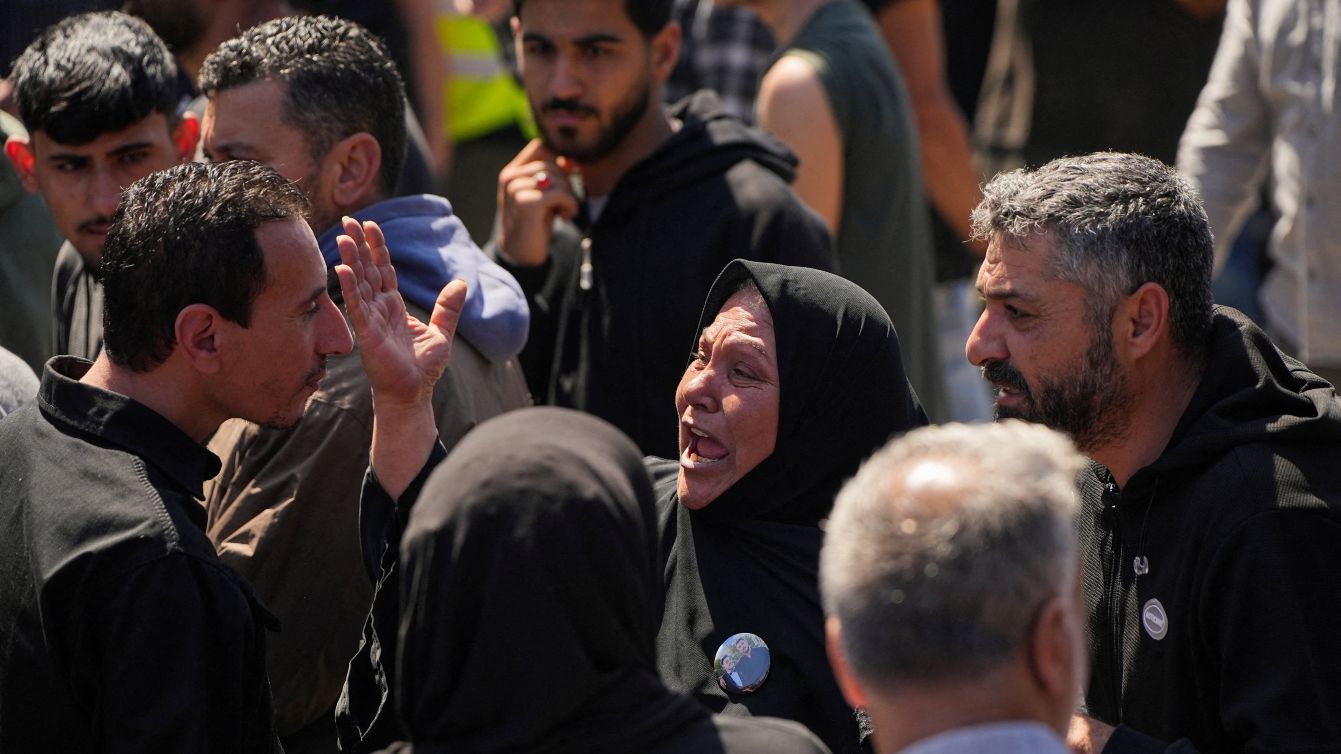
In a serious military escalation, Israeli airstrikes led to the death of 18 individuals in Lebanon on Saturday, breaching a ceasefire that had been agreed upon three weeks prior. This attack comes at a sensitive time, as the region had hoped for stability following a period of heightened tensions.
Among the victims, a Syrian man and his 12-year-old daughter were killed in the city of Nabatieh, while three others died in Nahrin, three in Sidon, along with three in Haboush and seven in Saksikiyah, including a child. These incidents highlight the tragic humanitarian impact of the ongoing conflict in the region.
Details of the Attacks
According to Israeli military data, the attacks followed a series of escalating tensions along the Lebanese-Israeli border. Three Israeli soldiers were injured as a result of a drone attack by Hezbollah targeting northern Israel near the border with Lebanon. This attack reflects the rising tensions between the two sides, indicating that the situation remains fragile despite attempts at de-escalation.
These airstrikes are part of a series of military operations conducted by Israel in Lebanon over the past years, which often lead to increased violence and deteriorating humanitarian conditions in the region. These events have raised international concerns regarding Lebanon's stability and their impact on regional security.
Background & Context
Historically, Lebanese-Israeli relations have been marked by ongoing tensions, with several wars and conflicts occurring over the decades. Since 2006, when the July War broke out, military incidents between the two sides have not ceased, exacerbating the humanitarian situation in Lebanon. These airstrikes are part of an Israeli strategy aimed at undermining Hezbollah's capabilities, which the Israeli occupation considers a major security threat.
In recent years, tensions in the region have increased due to regional conflicts, including the war in Syria and the political crisis in Lebanon. These combined factors make it difficult to achieve lasting peace in the area, with civilians continuing to pay the price.
Impact & Consequences
These airstrikes demonstrate how the conflict in Lebanon continues to affect civilian lives, with an increasing number of casualties. This escalation may provoke international reactions, as some countries are likely to call for a cessation of hostilities and the initiation of serious peace talks.
Furthermore, these events may impact relations between Lebanon and Israel, as the escalation could heighten tensions along the border, threatening the stability of the entire region. There are also concerns that these airstrikes could lead to a greater escalation in the conflict, potentially dragging the region into a new cycle of violence.
Regional Significance
This situation underscores the rising tensions in the Middle East and their implications for regional security. The ongoing conflict not only affects Lebanon but also has broader repercussions for neighboring countries and international relations.
In conclusion, the recent airstrikes highlight the urgent need for diplomatic efforts to address the underlying issues fueling the conflict and to protect civilian lives in the affected areas.