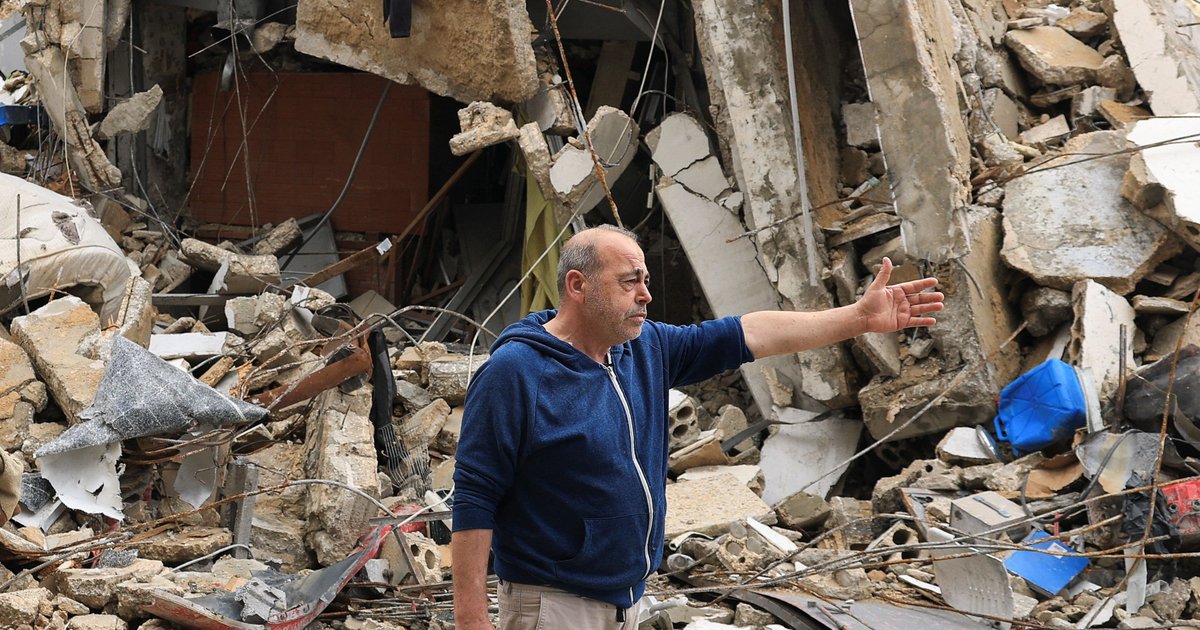
Israeli airstrikes targeting multiple areas in Lebanon have resulted in the deaths of at least 15 people and injuries to dozens, according to the Lebanese Ministry of Health. The attacks, which occurred late at night, included areas far from the border with Israel, raising concerns about an escalation of conflict in the region.
Among the victims, five people were killed and 52 others were injured in an air raid on the Janah neighborhood in the capital, Beirut. Another strike targeted a residential building in the Ain Saadeh area east of the capital, resulting in the deaths of three people and injuries to three others. In southern Lebanon, seven people, including a four-year-old girl, were killed in an attack on the town of Kfar Hatta.
Details of the Incident
These airstrikes come at a sensitive time, as the region is experiencing heightened tensions due to the ongoing conflict between Israel and Hezbollah. The attacks were not limited to border areas but extended to interior regions, reflecting a potential new strategy that Israel may adopt in its military operations.
These events coincide with rising tensions in the area, where warnings of military escalation have increased, potentially leading to a larger conflict. Local sources have confirmed that the airstrikes caused widespread destruction in the targeted areas, exacerbating the suffering of civilians already enduring economic and humanitarian crises.
Background & Context
Historically, Lebanon has witnessed numerous armed conflicts, particularly with Israel. Since the 2006 July War, tensions between the two sides have not ceased. Recent years have seen an escalation in reciprocal attacks, complicating the security situation in the region.
The recent airstrikes are considered part of an Israeli strategy aimed at undermining Hezbollah's capabilities, which the Israeli occupation views as a major threat to its security. This strategy has led to increased violence, threatening the stability of Lebanon and the region as a whole.
Impact & Consequences
The repercussions of these airstrikes extend beyond military dimensions, directly affecting civilian lives. As the number of casualties rises, pressure mounts on the Lebanese government to provide protection for its citizens. Moreover, these events could exacerbate humanitarian crises in the country, where many suffer from a lack of basic services.
Furthermore, these airstrikes may provoke reactions from Hezbollah, potentially intensifying the conflict. Analysts suggest that any escalation from the party could lead to a new round of violence, threatening regional security.
Regional Significance
The events in Lebanon are part of a larger picture of the Arab-Israeli conflict, where the Palestinian issue remains at the heart of the struggle. The escalation of violence in Lebanon could impact neighboring countries and increase tensions in the region, especially amid the political and economic crises faced by many Arab nations.
At the same time, these events could stimulate international community intervention, potentially contributing to efforts to find lasting solutions to the conflict. However, the hope for achieving peace remains elusive as violence and tensions continue.