Israeli airstrikes targeting areas in Lebanon have led to the deaths of at least eight people, including three members of the civil defense. These developments come as the Israeli military announced the destruction of a massive underground military facility belonging to Hezbollah, raising increasing concerns about military escalation in the region.
Events in Lebanon are unfolding amid ongoing tensions between Israel and Hezbollah, with recent increases in Israeli airstrikes on Lebanese territory. Local sources have confirmed that the strikes targeted multiple areas, resulting in civilian casualties.
Details of the Incident
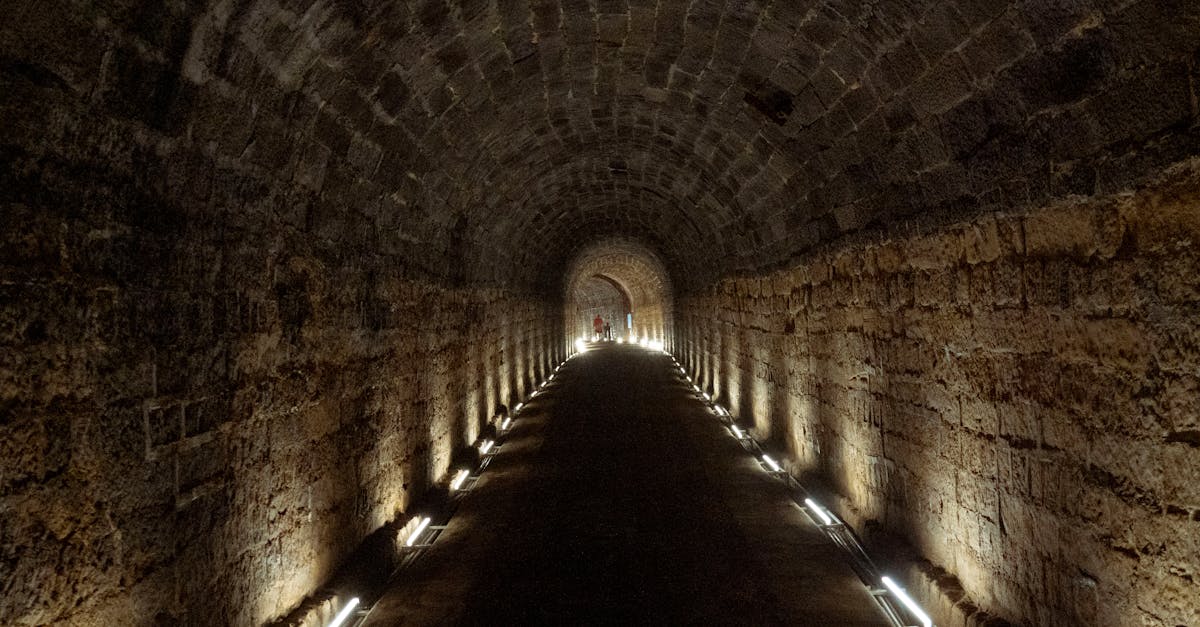
According to reports, the Israeli airstrikes targeted sites believed to be used by armed groups, including Hezbollah. The Israeli military indicated that the destroyed facility contained a large network of tunnels used for military purposes. These tunnels are considered part of Hezbollah's defensive strategy, underscoring the significance of this attack.
In related news, reports indicate that the airstrikes resulted in the deaths of several civilians, provoking angry reactions from the international community. Human rights organizations have expressed concern over the escalating violence in the region and have called for the protection of civilians.
Background & Context
Historically, the Lebanese-Israeli border has witnessed increasing tensions, especially since the 2006 war. Since then, Hezbollah has continued to bolster its military capabilities, prompting Israel to take preventive measures. The recent airstrikes are part of an Israeli policy aimed at undermining Hezbollah's military capabilities, particularly amid the tense situation in the region.
It is noteworthy that Hezbollah is one of the most significant actors in the Lebanese arena, exerting considerable influence over the country's politics and security. As tensions rise, any military escalation could have severe repercussions for stability in Lebanon and the broader region.
Impact & Consequences
The military escalation between Israel and Hezbollah could exacerbate the humanitarian situation in Lebanon. With the increasing number of casualties, the international community faces significant challenges in addressing this crisis. Furthermore, the continuation of airstrikes may provoke responses from Hezbollah, increasing the likelihood of a broader conflict.
Moreover, these events could affect Lebanon's relations with other countries, particularly those seeking stability in the region. These developments are likely to increase pressure on the Lebanese government, which is already facing substantial economic and political challenges.
Regional Significance
The recent events in Lebanon are part of a larger picture concerning stability in the Middle East. The escalation between Israel and Hezbollah may impact relationships between Arab countries and Israel, especially amid normalization attempts by some nations. Additionally, any escalation could lead to a reevaluation of security policies in the region.
In conclusion, the situation in Lebanon remains under close observation, as any new developments could carry serious implications for security and stability in the region. It is crucial for the international community to closely monitor these events and seek peaceful solutions to avoid further escalation.