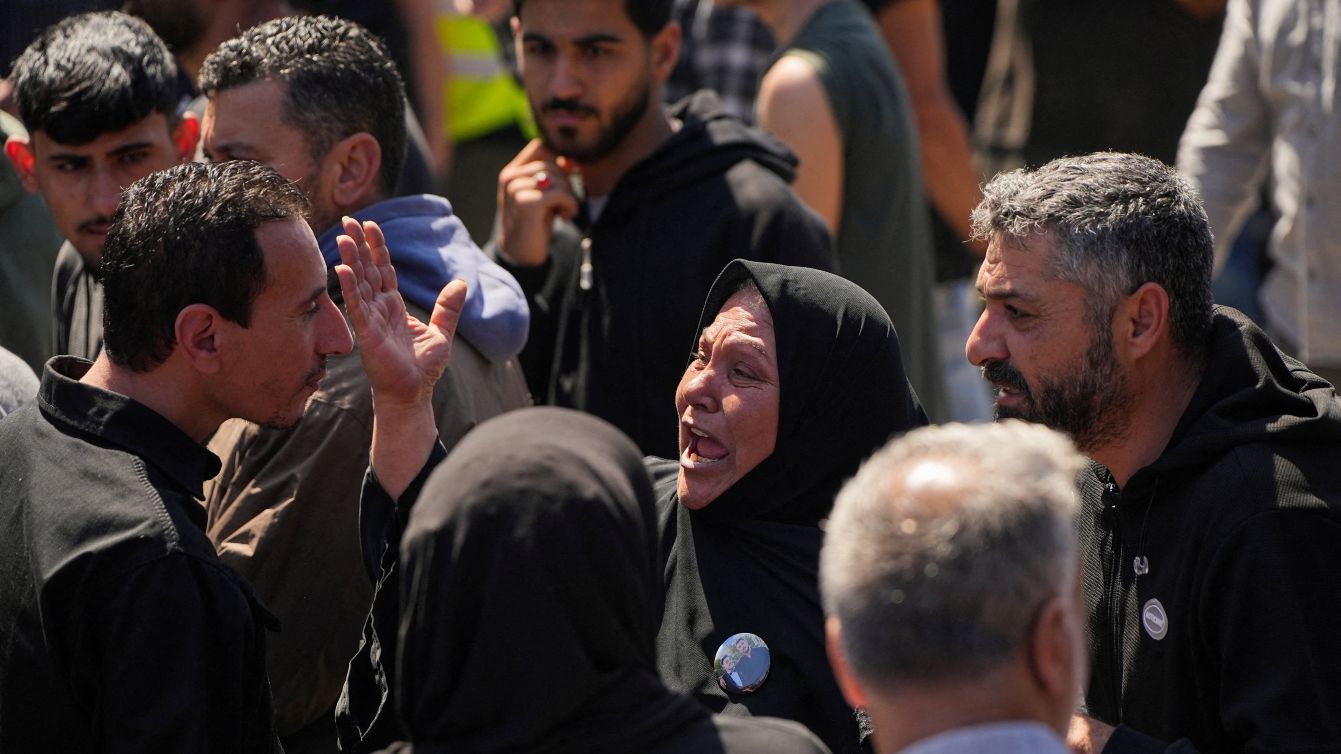
In a new military escalation, Israeli forces launched airstrikes on areas in southern Lebanon, resulting in the deaths of four people, bringing the total number of fatalities to 23 since the start of this military campaign. According to the Lebanese National News Agency, an Israeli drone targeted a motorcycle near shops on the Toll-Douair road, killing one person.
Simultaneously, Israeli warplanes conducted strikes on the city of Nabatieh, where three young men were killed. These attacks are part of an ongoing escalation by Israel against targets in Lebanon, amid increasing tensions in the region.
Details of the Incident
Reports indicate that the Israeli attacks have particularly focused on southern regions, where the intensity of the bombardment has increased in recent days. These airstrikes have provoked strong reactions from the Lebanese government, which condemned the escalation and deemed it a violation of Lebanese sovereignty.
Local sources also reported that the strikes caused significant damage to property, exacerbating the suffering of residents who are already grappling with economic and humanitarian crises.
Background & Context
Historically, Lebanese-Israeli relations have been marked by ongoing tensions, especially following the conflict that erupted in 2006. Since then, mutual attacks between the two sides have continued, worsening the humanitarian situation in Lebanon. Recently, these tensions have notably increased, with a surge in Israeli military activities in the area.
These events are part of the broader conflict in the Middle East, where regional and international interests intersect, complicating the situation further. The conditions in Lebanon reflect the impacts of regional conflicts, as the country suffers from multiple crises encompassing economic and political challenges.
Impact & Consequences
These attacks underscore the escalating tensions in the region, raising fears of a widespread conflict. The continuation of this escalation could worsen the humanitarian conditions in Lebanon, where residents are facing shortages of essential resources.
These events are likely to affect Lebanon's relations with other countries in the region, as some nations may seek to intervene or mediate to calm the situation. Additionally, these attacks could lead to increased international support for Lebanon in the face of Israeli aggression.
Regional Significance
The events in Lebanon are part of the larger picture of the Arab-Israeli conflict, with the Palestinian issue remaining at the heart of disputes. The escalation of Israeli military operations could impact stability in neighboring countries, further complicating the situation in the region.
Arab nations must closely monitor these developments, as any escalation could lead to negative repercussions for security and stability in the area. Supporting Lebanon in facing these challenges is essential for maintaining regional stability.