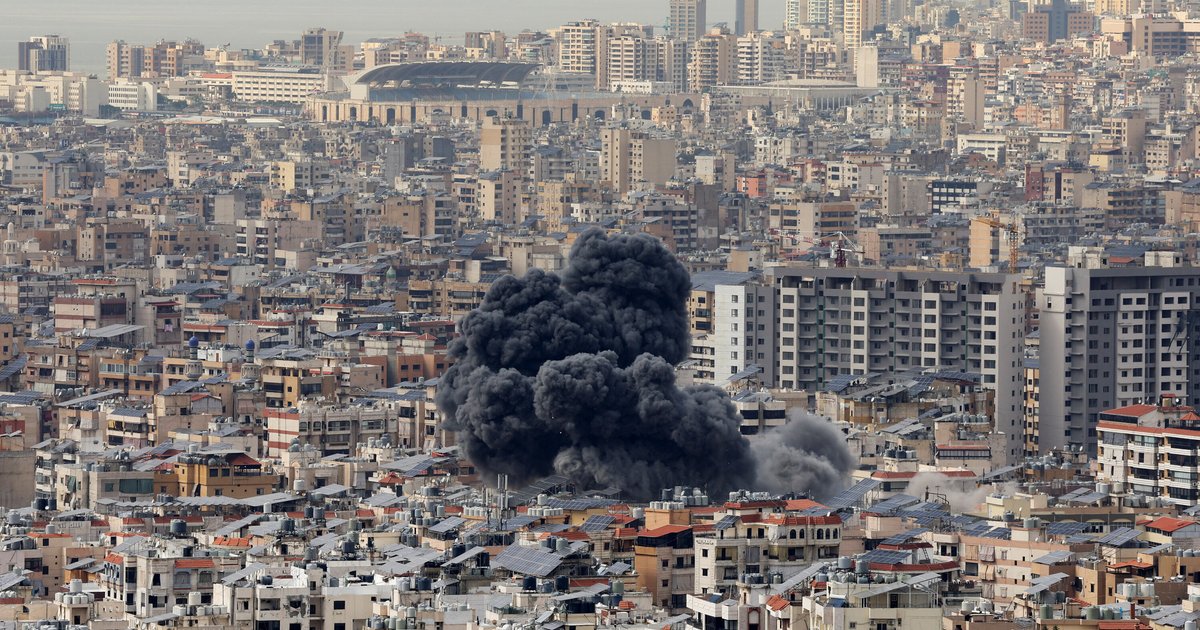
Israeli airstrikes resulted in the deaths of three individuals and injuries to 27 others in southern Beirut. The attack, which occurred late last night, reflects the escalating tensions in the region and comes amid a tense atmosphere between Israel and Hezbollah.
The southern suburbs of Beirut are considered a stronghold for Hezbollah, and have previously witnessed numerous Israeli attacks. These airstrikes follow a period of relative calm, raising concerns about the potential for greater escalation in the conflict.
Details of the Attack
The Israeli attack targeted several locations in the southern suburbs, leading to widespread destruction of property. Witnesses reported that Israeli warplanes conducted successive airstrikes, causing panic among residents. The injured were transported to nearby hospitals for treatment.
Lebanese authorities condemned the attack, deeming it a blatant violation of Lebanese sovereignty. Several Lebanese politicians have called for urgent measures to confront these aggressions.
Background & Context
Historically, the southern suburbs of Beirut have experienced numerous Israeli attacks, particularly during armed conflicts between Israel and Hezbollah. This area is a strategic center for the party, making it a constant target for Israeli strikes.
Tensions between the two sides have notably escalated recently, with repeated incidents reported along the Lebanese-Israeli border. Additionally, the complex regional situation, including crises in Syria and Palestine, exacerbates the tensions.
Impact & Consequences
The recent attack could lead to a greater escalation in the conflict between Israel and Hezbollah, threatening the stability of Lebanon and the region as a whole. These events may also impact Lebanese-Israeli relations and heighten tensions in the area.
International responses to this attack could play a significant role in determining the course of events. The international community, particularly major powers, may intervene to curb escalation, but history shows that such interventions are often ineffective.
Regional Significance
This attack reflects ongoing tensions in the Arab region, where many countries are suffering from internal and external conflicts. The situation in Lebanon also affects neighboring countries, complicating regional dynamics.
In conclusion, the situation in Lebanon remains under close observation, as any new escalation could lead to serious repercussions for security and stability in the region.