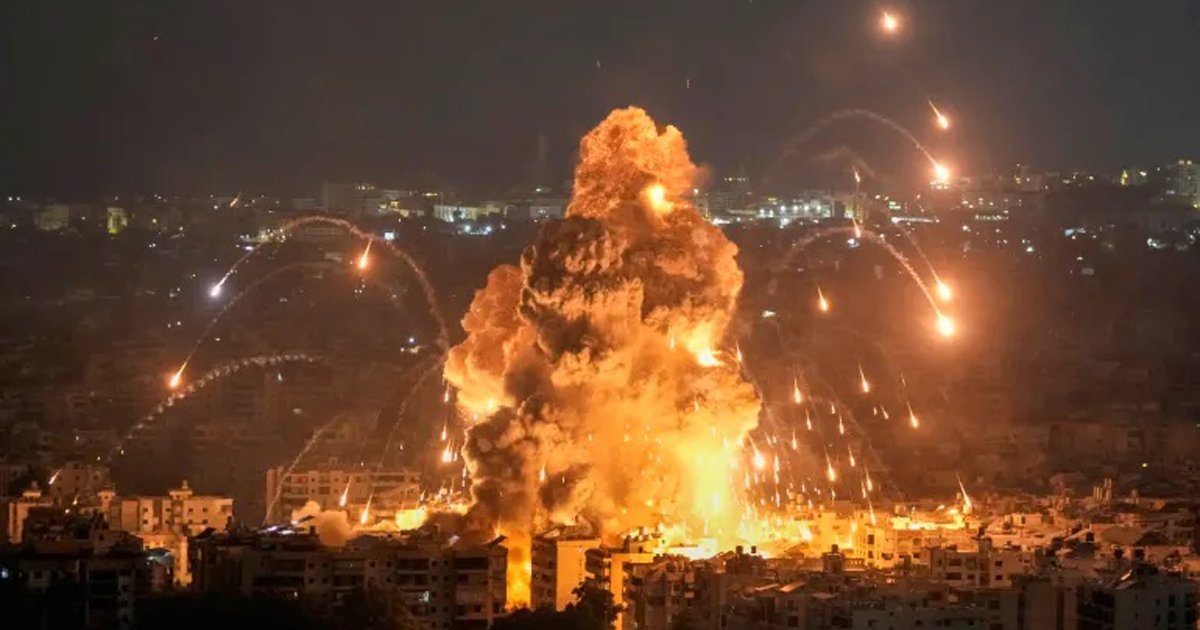
In a worrying escalation, the Lebanese Ministry of Health announced yesterday that four people have been killed and seven others injured due to Israeli airstrikes targeting the towns of Sultanah and Aswanah in southern Lebanon. The first airstrike targeted the town of Sultanah, resulting in the deaths of three individuals and injuries to three others, while the second strike on Aswanah led to the death of one person and injuries to four others.
Reports indicate that the airstrikes are part of a military escalation by Israel against Lebanon, with more than 1,024 deaths and 2,740 injuries recorded since March 2. These figures reflect the deep humanitarian impact of the ongoing conflict, which has destroyed local communities and forced many residents to flee their homes.
Historically, relations between Lebanon and Israel have been strained for decades, marked by bloody conflicts. The Lebanese Civil War, the Israeli invasion in 1982, and the continuing conflict with Hezbollah all contribute to a long history of clashes. In recent years, tensions have noticeably increased, particularly after the Syrian war and the growing influence of Iran in the region.
The repercussions of these conditions extend beyond Lebanon, reminding us of the previous unrest experienced by countries like Syria and Palestine, highlighting the urgent need for peace and stability in the Middle East. These events also raise international concerns, with multiple calls for a ceasefire and the necessity of dialogue between the parties involved.
Arab interests in this context require special attention, as these airstrikes cast shadows on peace and stability efforts in the region. Jordan and Egypt, as major mediation players, face new challenges in intervening and finding ways to contain the conflict. While Arab-Israeli relations sometimes witness unprecedented transformations, the situation in Lebanon remains a true test of the ability to find lasting solutions.
If the airstrikes and pattern of escalation continue, we will witness further negative impacts on regional security and social stability, with growing fears of new waves of refugees to neighboring countries, increasing burdens on Arab governments, and threatening public order in the region.
In the end, the question remains: what are the possible options for the international community to resolve this ongoing conflict? And when will this violence cease to avoid more loss of life and destruction?