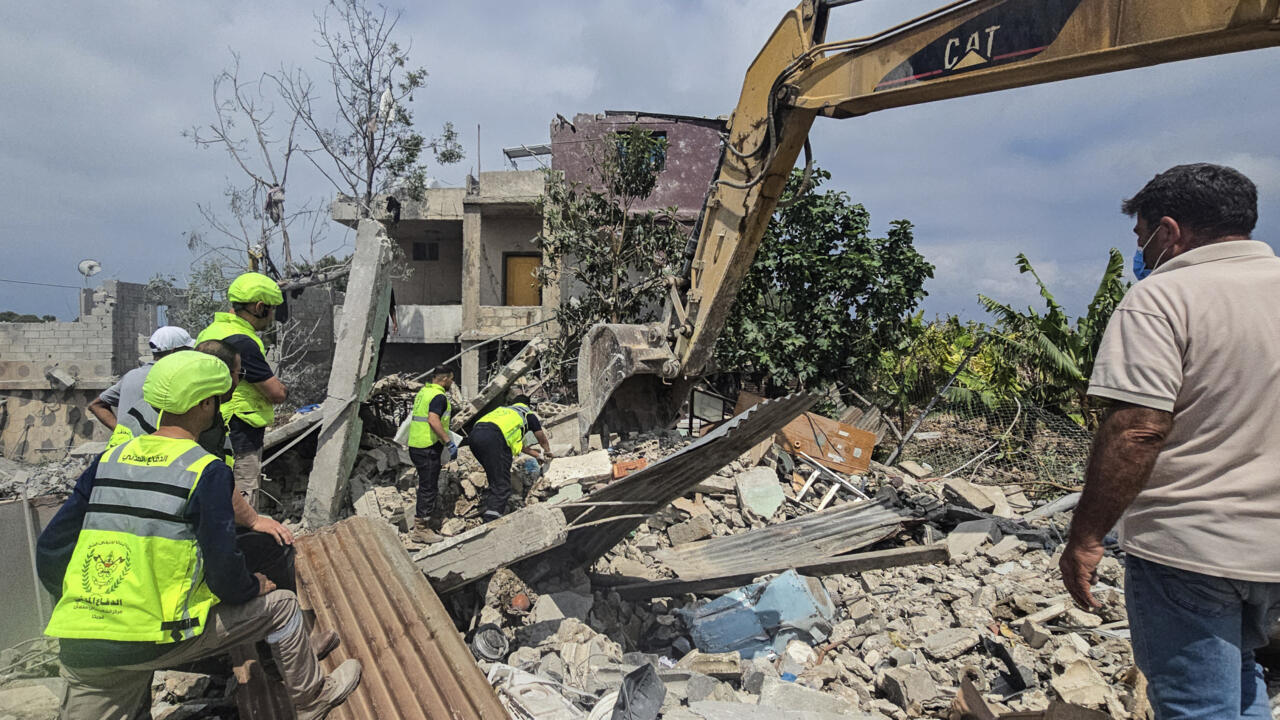
The Israeli army announced on Thursday the commencement of airstrikes targeting Hezbollah infrastructure in the city of Tyre, following urgent evacuation orders for residents of certain buildings. This military escalation occurs at a sensitive time, coinciding with heightened tensions in the area.
In an official statement, the Israeli army spokesperson confirmed that "the terrorist organization Hezbollah" had violated the ceasefire agreement, necessitating military action against it. The statement clarified that Israeli forces targeted specific sites related to the group, emphasizing that these operations are part of self-defense.
Details of the Incident
The Israeli army issued warnings to residents of Tyre, marking several buildings in red on maps that were published, indicating the need for immediate evacuation. The statement urged residents to move to safer areas north of the Zahrani River for their safety.
Subsequently, the army reported via Telegram that it had already begun striking Hezbollah positions in the area, with two airstrikes targeting buildings in the city and its surroundings. One of the strikes resulted in a fire breaking out in one of the targeted buildings, further escalating tensions in the region.
Background & Context
Tyre is considered a strategic area in southern Lebanon, where Hezbollah has a strong presence. The region has witnessed increasing tensions in recent months, particularly following a surge in clashes between Israeli forces and Hezbollah. This military escalation comes at a critical time when the international community is seeking to calm the situation in the area.
It is noteworthy that the ceasefire agreement reached several weeks ago was fragile and has been violated by both parties on multiple occasions. This military escalation could impact peace efforts and increase the suffering of civilians in the region.
Impact & Consequences
Analysts predict that these airstrikes will lead to greater escalation in military actions between Israel and Hezbollah, which could negatively affect security and stability in Lebanon. Furthermore, the continuation of these military operations may increase civilian casualties, raising concerns within the international community.
International powers may intervene to mediate this crisis, especially with growing pressure on the Lebanese government to address the situation. Additionally, these events could affect relations between Lebanon and Israel, complicating the political landscape in the region.
Regional Significance
The current events in Lebanon are part of a larger picture of tensions in the Middle East, where regional and international interests intersect. These airstrikes may provoke reactions from other countries in the region, further increasing instability.
At the same time, the international community is closely monitoring these developments, as any escalation could impact peace efforts in the area. The continuation of violence may hinder any attempts to reach lasting solutions to ongoing conflicts.
In conclusion, the situation in Lebanon remains tense, with growing fears of a larger escalation in military actions. Urgent international efforts are required to calm the situation and protect civilians from the ongoing conflict's repercussions.