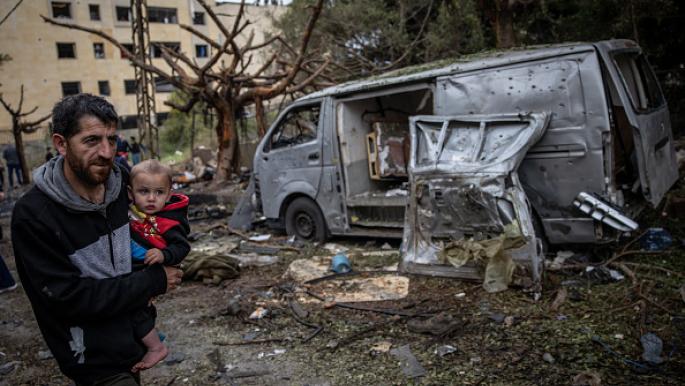
The Israeli military operations against Lebanon are escalating, with Israeli warplanes conducting a series of airstrikes on various locations in southern Lebanon. These strikes come at a sensitive time, as the region is experiencing unprecedented military escalation.
In response, Hezbollah announced its bombardment of Tel Aviv, reflecting the rising tensions between the two sides. This military escalation is considered one of the most dangerous developments in the ongoing conflict between Israel and Hezbollah, which dates back decades.
Details of the Incident
According to local sources, the Israeli airstrikes targeted several areas in southern Lebanon, including sites believed to be affiliated with Hezbollah. These strikes have resulted in significant material damage, along with injuries among civilians.
On the other hand, Hezbollah confirmed that it attacked Tel Aviv in retaliation for the Israeli strikes, stating that this bombardment is part of its right to defend Lebanon. This response has elicited mixed reactions on the international stage, with some countries expressing concern that this escalation could lead to further conflict in the region.
Background & Context
The history of the conflict between Israel and Hezbollah dates back to 1982 when Israel invaded Lebanon in an attempt to eliminate the presence of the Palestine Liberation Organization. Since then, the region has witnessed numerous wars and conflicts, the most notable being the July 2006 war, which resulted in widespread destruction in Lebanon.
In recent years, tensions between the two sides have intensified, particularly following Hezbollah's involvement in the Syrian conflict and its support for the Syrian regime. This intervention has heightened Israeli tensions toward the group, leading to repeated military escalations.
Impact & Consequences
The current escalation between Israel and Hezbollah could have serious implications for regional security. An increase in military operations may lead to greater escalation, threatening the stability of Lebanon and the entire region.
This escalation may also affect relations between Arab countries and Israel, especially in light of the normalization attempts witnessed in recent years. Any military escalation could hinder these relations and increase tensions in the region.
Regional Significance
This military escalation between Israel and Hezbollah comes at a sensitive time for the Arab region, where many countries are suffering from political and economic crises. Any escalation could exacerbate the humanitarian situation in Lebanon, which is already grappling with a severe economic crisis.
Moreover, this situation could impact peace efforts in the region, as the international community seeks to find solutions to ongoing conflicts. Military escalation may obstruct these efforts and complicate the political landscape in the region.
In conclusion, the military escalation between Israel and Hezbollah is considered one of the most serious developments in the ongoing conflict, requiring urgent international intervention to halt it before the situation worsens.