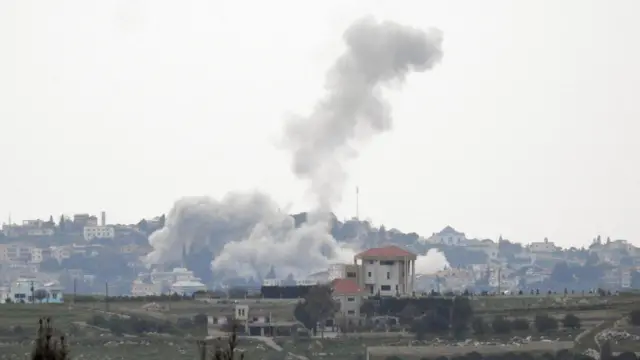
The Israeli military has executed a new wave of airstrikes on military sites in the Iranian capital, Tehran, targeting installations associated with the Iranian regime. These strikes come at a sensitive time, as reports indicate that the Pentagon is preparing for ground operations that may last for weeks, further escalating tensions in the region.
The recently announced Israeli airstrikes target sites believed to be used for military purposes, reflecting Israel's ongoing policy of countering threats it perceives as stemming from Iranian activities in the region. These operations have elicited mixed reactions from the international community, as they are viewed as an escalatory step in the ongoing conflict between Israel and Iran.
Details of the Incident
Military sources reported that the Israeli airstrikes targeted several locations in Tehran, including facilities believed to be linked to Iran's nuclear program. These operations follow a series of escalating tensions between Tehran and Tel Aviv, with Israel accusing Iran of developing military capabilities that threaten its national security.
In a related context, the American newspaper The Washington Post revealed that the Pentagon is preparing for potential ground operations inside Iran, suggesting that the United States may be on the verge of taking bolder military steps. These operations are believed to last several weeks, raising concerns about a comprehensive military escalation in the region.
Background & Context
Historically, relations between Iran and Israel have been marked by severe tensions, with Israel viewing Iran as an existential threat due to its nuclear program and support for armed groups in the region. These tensions have led to a series of reciprocal attacks, including cyberattacks and airstrikes.
In recent years, Iran has increased its support for armed groups in Iraq and Syria, raising alarms for both Israel and the United States. Tel Aviv has repeatedly attempted to thwart these activities through military operations, resulting in a state of ongoing instability in the region.
Impact & Consequences
These Israeli airstrikes and American preparations for ground operations could lead to a significant escalation in the conflict in the Middle East. If ground operations are executed, they may provoke military responses from Iran, increasing the risk of an all-out war in the region.
Moreover, these developments could affect relations between the United States and regional countries, as some nations may find themselves compelled to take hardline stances amid military escalation. These events are likely to heighten tensions between major powers, including Russia and China, which may intervene in the conflict to protect their interests.
Regional Significance
The recent events in Tehran have significant implications for Arab countries, as they could lead to increased tensions in the Arabian Gulf region. Countries sharing borders with Iran, such as Iraq and Kuwait, may find themselves in a sensitive position, necessitating additional security measures.
Furthermore, these developments could impact oil prices and financial markets in the region, as oil prices are expected to be affected by any potential military escalation. They may also lead to increased migration and displacement from conflict-affected areas, placing additional pressures on neighboring countries.
In conclusion, the situation in Tehran remains under scrutiny, with growing fears of military escalation that could shift the balance of power in the region. The international community must take urgent steps to prevent worsening conditions and work towards stabilizing the Middle East.