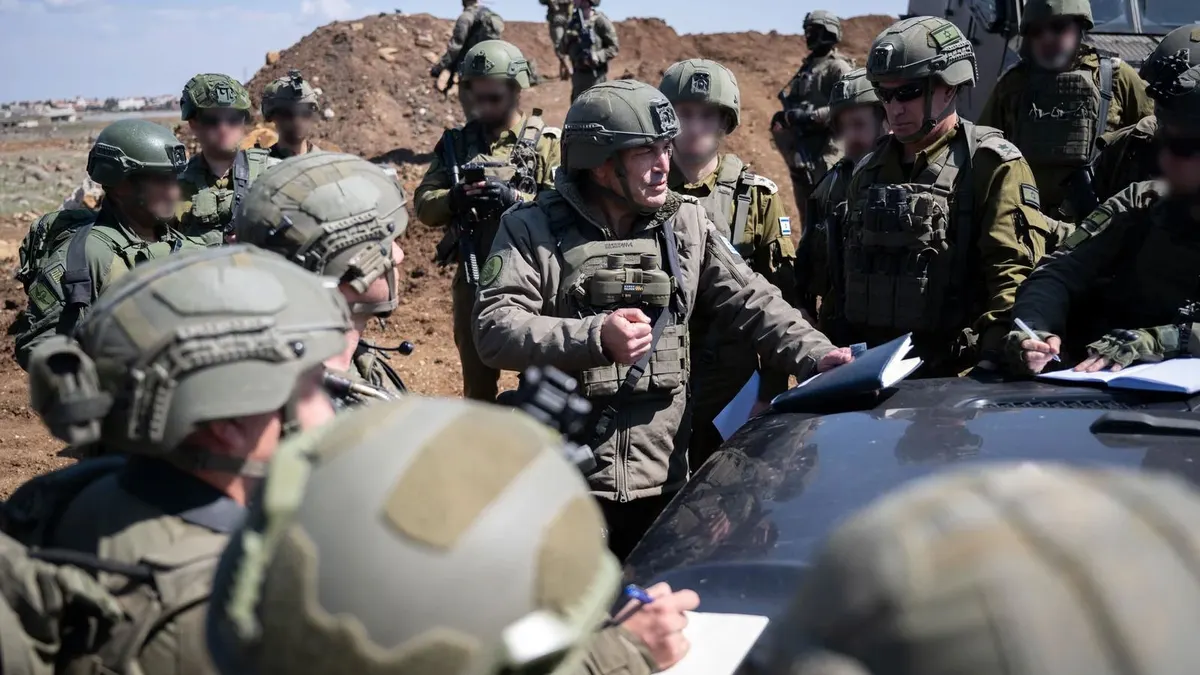
Israeli Chief of Staff Eyal Zamir addressed senior army leaders, stating that the military is facing significant challenges related to discipline. He pointed out that the losses sustained by the army in combat units over the past two and a half years of conflict do not justify the unacceptable actions witnessed within the ranks.
Zamir explained that the current situation necessitates serious steps, including the recruitment of women to compensate for troop shortages, a decision that reflects the urgent need to confront increasing security challenges.
Details of the Address
During the meeting attended by officers of the rank of major and above, Zamir discussed the discipline issues that have emerged within the army, noting that these problems require immediate attention to ensure the readiness of the forces. He emphasized that the unacceptable actions committed by some soldiers cannot be justified under any circumstances, especially given the difficult conditions the army is currently facing.
Zamir also affirmed that the Israeli army needs to bolster its ranks, and that recruiting women will be part of the solution to address the numerical shortfall, indicating a shift in Israeli military policies.
Background & Context
Zamir's statements come at a sensitive time, as the Israeli army faces multiple security challenges on various fronts. Since the onset of the conflict, the army has suffered significant losses, impacting morale and discipline within its ranks. These circumstances have raised questions about the effectiveness of military leadership and its ability to manage crises.
Over the years, the Israeli army has undergone changes in its strategies, including the integration of women into the armed forces. This trend reflects social and cultural shifts within Israeli society, where the participation of women in combat roles has become increasingly accepted.
Impact & Consequences
The decision to recruit women into the army could have significant implications for the structure of the Israeli armed forces. On one hand, it may enhance the army's combat capability; however, it could also spark debate regarding the role of women in the military and its impact on discipline.
Additionally, this move may affect social relations within the army, as the integration of women into combat units requires a change in traditional military culture. It will be crucial to monitor how soldiers and officers respond to this change and its overall effect on the army's performance.
Regional Significance
The current situation within the Israeli army could influence regional stability, as the challenges faced by the Israeli military reflect a state of vulnerability that armed groups in the region may exploit. Furthermore, the recruitment of women into the army may elicit mixed reactions in Arab countries, as this step represents a precedent that could affect how Arab societies view the role of women in the armed forces.
In conclusion, the situation in the Israeli army remains under scrutiny, as the current challenges demand an effective response from military leadership to ensure the stability of the forces and their capacity to confront security threats.