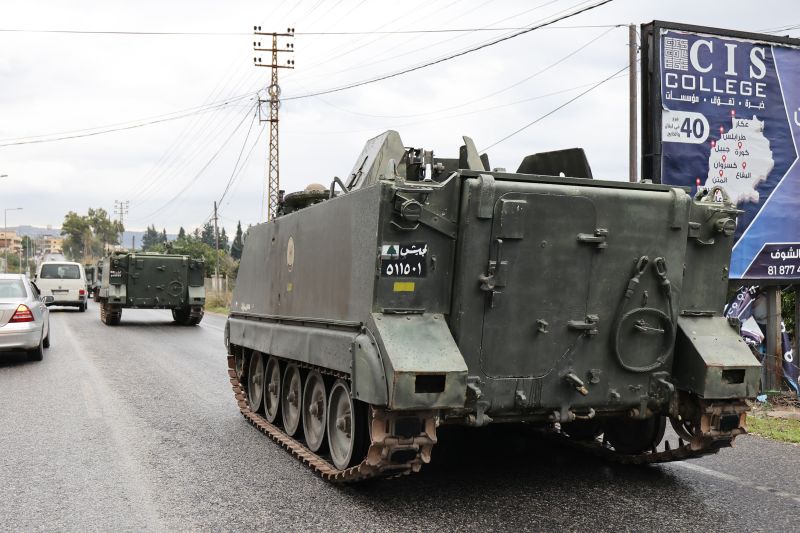
The Israeli army is intensifying its efforts to control the course of the Litani River in southern Lebanon, seeking to establish a buffer zone in the area. These movements occur at a time when the borders are experiencing increasing tensions, raising concerns in the international community regarding stability in the region.
The Litani River is one of the most important rivers in Lebanon, flowing through several regions and serving as a vital water source. Through these steps, Israel aims to enhance its security along the border, amid fears of escalating military activities by Hezbollah, which the Israeli occupation considers a direct threat to its security.
Details of the Event
According to military sources, the Israeli army has conducted extensive reconnaissance operations along the river's course, where unusual movements in the area have been observed. Reports indicate that Israeli forces have begun to reinforce their military positions near the border, raising questions about their true intentions.
Local sources have also reported an increase in the number of Israeli warplanes flying over the area, reflecting an escalation in military activities. These steps come at a sensitive time, as Lebanon seeks to restore its internal stability after years of political and economic turmoil.
Background & Context
Historically, the Litani River area has been a focal point of conflicts between Lebanon and Israel, witnessing numerous military confrontations. In 2006, a war broke out between Hezbollah and Israel, resulting in widespread destruction in Lebanon. Since then, the borders between the two countries have remained charged with tensions, as each side seeks to strengthen its military position.
Control over the Litani River is part of Israel's broader strategy to dominate water resources in the region, as Lebanon heavily relies on this river to meet its water needs. In recent years, Israel has increased its military activities along the border, raising concerns for the Lebanese government and the international community.
Impact & Consequences
These Israeli movements raise numerous questions about the potential impact on regional security. If Israel continues to bolster its military presence along the Litani River, it could escalate tensions between the two sides, threatening stability in Lebanon and the region as a whole.
Moreover, any escalation in the conflict may affect relations between Lebanon and other Arab countries, as the international community seeks peaceful solutions to regional disputes. These developments could increase pressure on the Lebanese government, which is already facing significant economic and political challenges.
Regional Significance
These events are part of a broader picture of tensions in the region, where fears of escalating armed conflicts are rising. Amid the multiple crises faced by Arab countries, any escalation in the conflict between Lebanon and Israel could have negative repercussions on the stability of the entire region.
Additionally, these developments may influence the stance of Arab countries toward the Palestinian issue, as many nations seek to promote Arab unity in the face of common challenges. Under these circumstances, hope remains pinned on diplomacy as a means to resolve conflicts and achieve peace in the region.