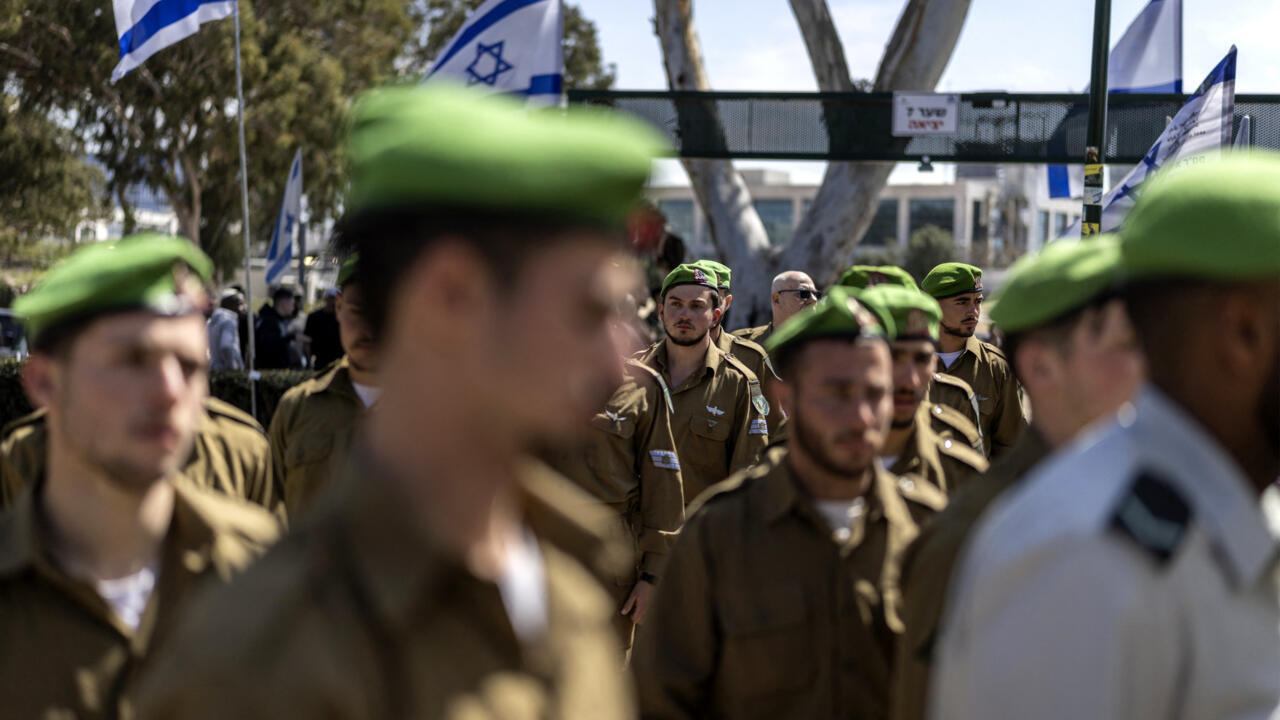
The Israeli army completed its ground forces deployment on Tuesday along what is known as the 'anti-missile defense line' in southern Lebanon, a move that comes amid rising tensions with Iran-backed Hezbollah fighters. This deployment occurs at a sensitive time as clashes continue in the region, reflecting the increasing security threats along Israel's northern border.
The Israeli army has not announced any geographical details regarding how far its forces have advanced into Lebanese territory, raising questions about Israel's military intentions in the area. Israeli media reports indicate that the army does not plan to push its forces more than approximately 20 kilometers north of the border at this stage.
Details of the Deployment
In an official statement, the Israeli army confirmed that it has completed the deployment of its forces on the anti-tank missile defense line, noting that operations are ongoing in the area to strengthen this line and eliminate threats to northern Israel's residents. This deployment is part of a broader strategy aimed at securing the border and preventing any potential attacks by Hezbollah.
Israeli Defense Minister Israel Katz had previously announced the country's intention to establish a 'security zone' in southern Lebanon, extending to the Litani River, which is about 30 kilometers from the Israeli border. This security zone aims to prevent any missile, drone, or anti-tank missile launches against northern Israel, reflecting growing Israeli concerns over security threats emanating from Lebanon.
Background & Context
Historically, the Israeli-Lebanese border has seen ongoing tensions, with the area being the stage for several military conflicts between Israel and Hezbollah. In recent years, the intensity of clashes has increased, prompting Israel to bolster its military presence along the border. This military deployment comes at a time when fears are rising regarding Hezbollah's military activities, which include a stockpile of advanced weaponry.
The complex regional situation, including tensions between Iran and Israel, adds another layer to the crisis. Iran is a key ally of Hezbollah, complicating the security situation in the region and making it difficult to predict the developments of events.
Impact & Consequences
This move by the Israeli army serves as a warning to Hezbollah and may lead to heightened tensions in the region. If clashes continue, the security situation in Lebanon could be significantly affected, negatively impacting internal stability. Furthermore, any escalation could lead to serious humanitarian consequences for civilians on both sides.
On the other hand, these developments may increase pressure on the Lebanese government, which is already facing significant economic and political challenges. Under these circumstances, the Lebanese government may find itself compelled to take urgent measures to address the rising tensions along the border.
Regional Significance
The implications of this event extend beyond the Lebanese borders, potentially affecting relations between Arab states and Israel. Amid escalating tensions, calls for Arab solidarity with Lebanon may increase, leading to new political movements in the region. Additionally, any escalation in Lebanon could impact peace efforts in the region and complicate the situation in the Middle East.
In conclusion, the situation along the Israeli-Lebanese border remains under close observation, as political and military circles await any new developments that may arise. The continuation of military tensions could have far-reaching consequences for security and stability in the region.