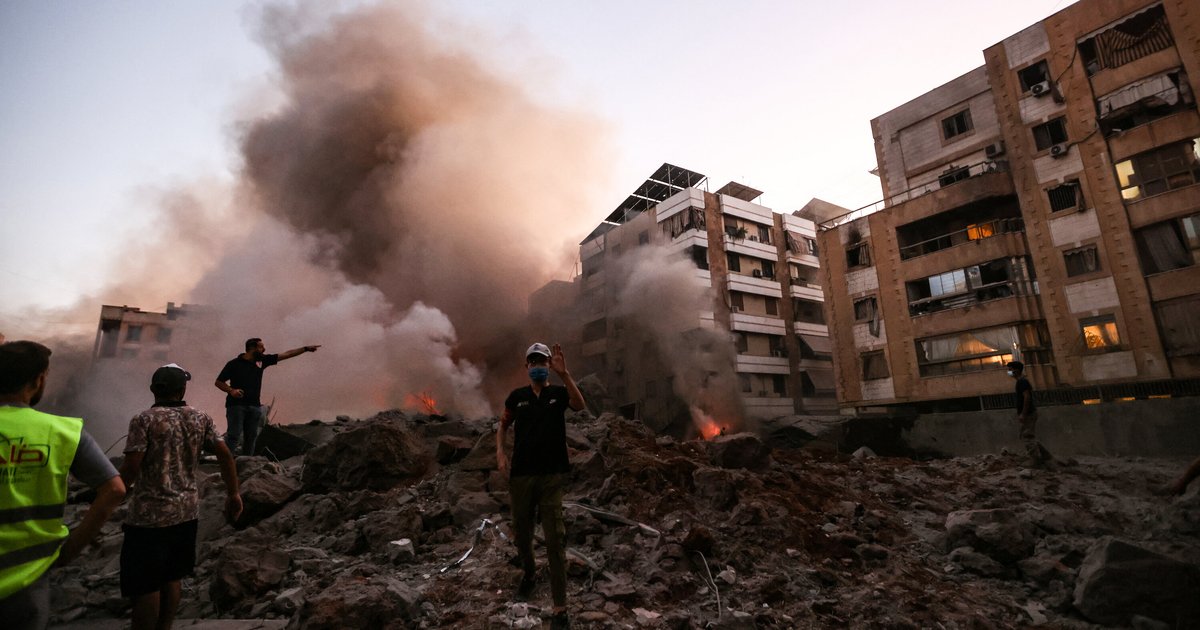
The Israeli army has acknowledged the destruction of around 100 residential towers in the Lebanese capital of Beirut and its suburbs, reflecting a serious escalation in Israeli military operations. This announcement raises widespread concern regarding the humanitarian and economic damage that may be inflicted on civilians in Lebanon, amid the difficult conditions the country is experiencing.
This admission follows a series of airstrikes that targeted civilian areas, resulting in the destruction of residential structures and vital facilities. This has provoked angry reactions from the international community, which has called for the protection of civilians in armed conflicts.
Details of the Incident
In an official statement, the Israeli army confirmed that these operations were part of its military strategies against what it described as "security threats." It indicated that the targets were linked to armed groups, but the damage inflicted on residential areas has raised questions about the proportionality of the use of force.
These events coincide with rising tensions in the region, as Israeli forces continue their military operations in several areas, increasing fears of a larger escalation that could affect the stability of the entire region.
Background & Context
Historically, Lebanon has witnessed numerous armed conflicts, especially during the civil war that lasted from 1975 to 1990. Since then, the country has suffered from the repercussions of recurring conflicts, including repeated Israeli attacks. In recent years, tensions between Israel and Hezbollah have intensified, leading to repeated military escalations.
In this context, the Israeli acknowledgment of the destruction of residential towers comes as part of a military policy characterized by escalation, raising concerns about the future of civilians in Lebanon, who are already suffering from severe economic and social crises.
Impact & Consequences
The destruction of residential towers in Beirut will have negative repercussions on the Lebanese economy, which is already suffering from a severe crisis. These operations have led to the displacement of many families, increasing pressure on public services and limited resources.
Moreover, these events could lead to heightened tensions between Lebanon and Israel, increasing the likelihood of a new armed conflict. Additionally, international reactions may influence Israel's military policy, as it may face greater pressure from the international community to halt military operations against civilians.
Regional Significance
The events in Lebanon are part of a larger picture of tensions in the Arab region, where armed conflicts are escalating in several countries. The escalation of military operations in Lebanon could impact the stability of neighboring countries and complicate humanitarian conditions in the region.
Under these circumstances, the international community must act urgently to protect civilians and provide necessary humanitarian assistance to ensure that conditions do not worsen in Lebanon and the entire region.